Frankenstein (x2)
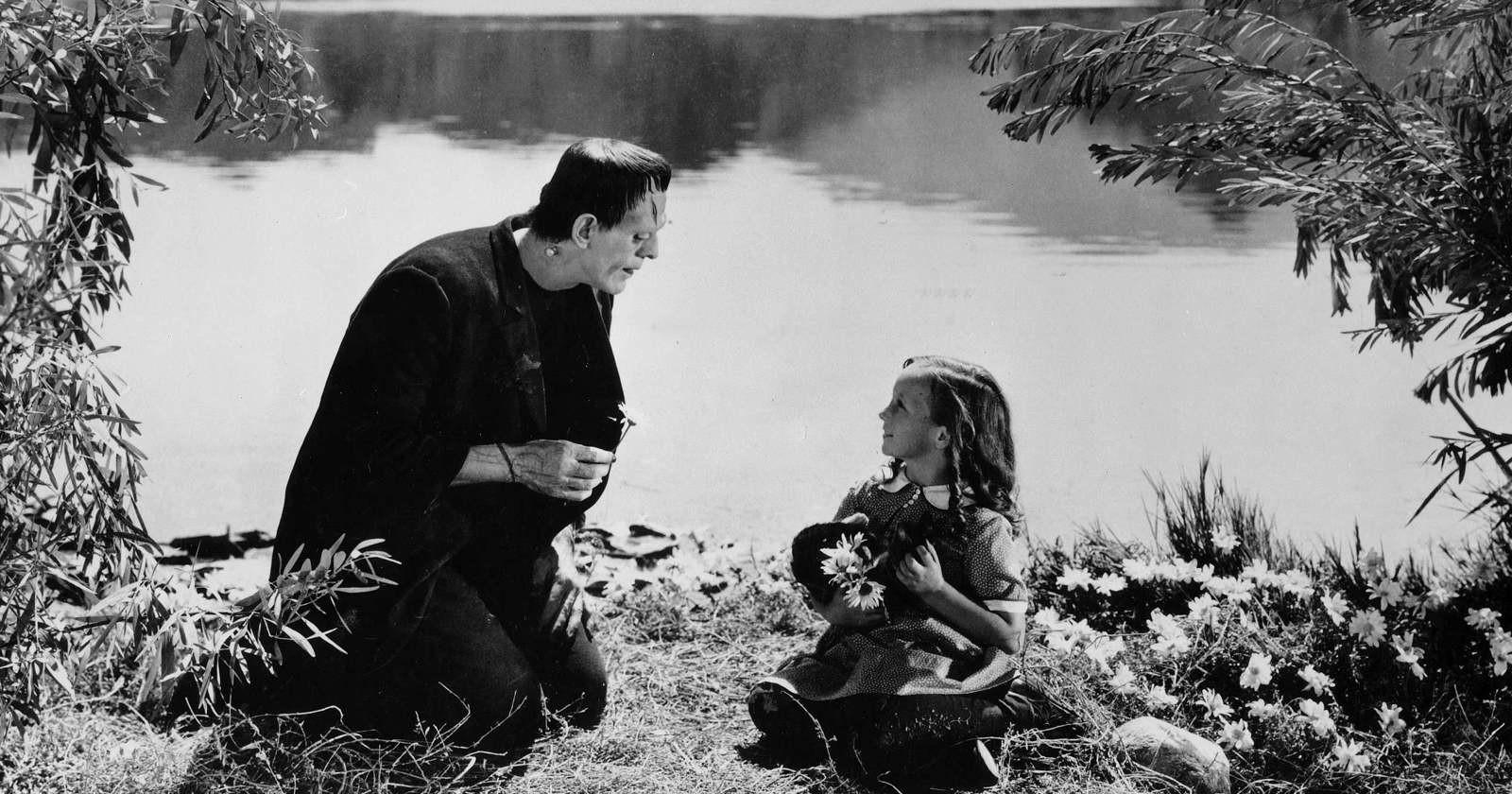
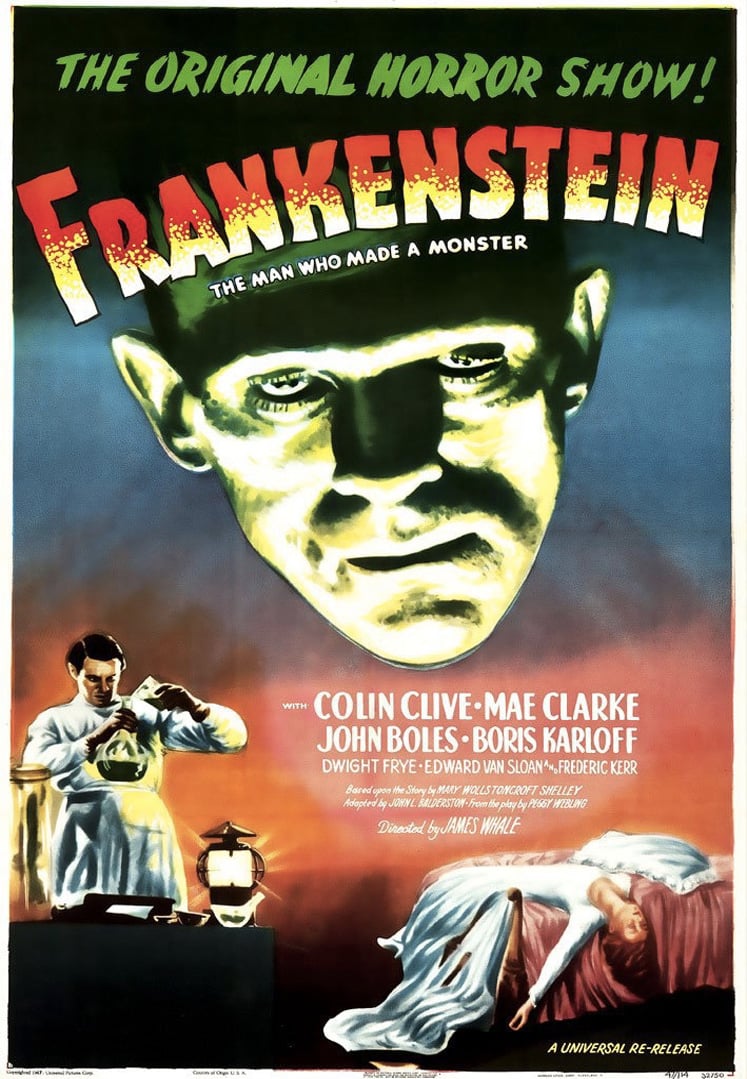
En collaboration avec Figura (UQAM), nous vous proposons pour quelques semaines des films représentant le célèbre Frankenstein, imaginé par l’écrivaine britannique Mary Shelley. Plutôt «figure» que simple personnage, il se décline en de nombreux films, en des variations parfois fantastiques et toujours troublantes.
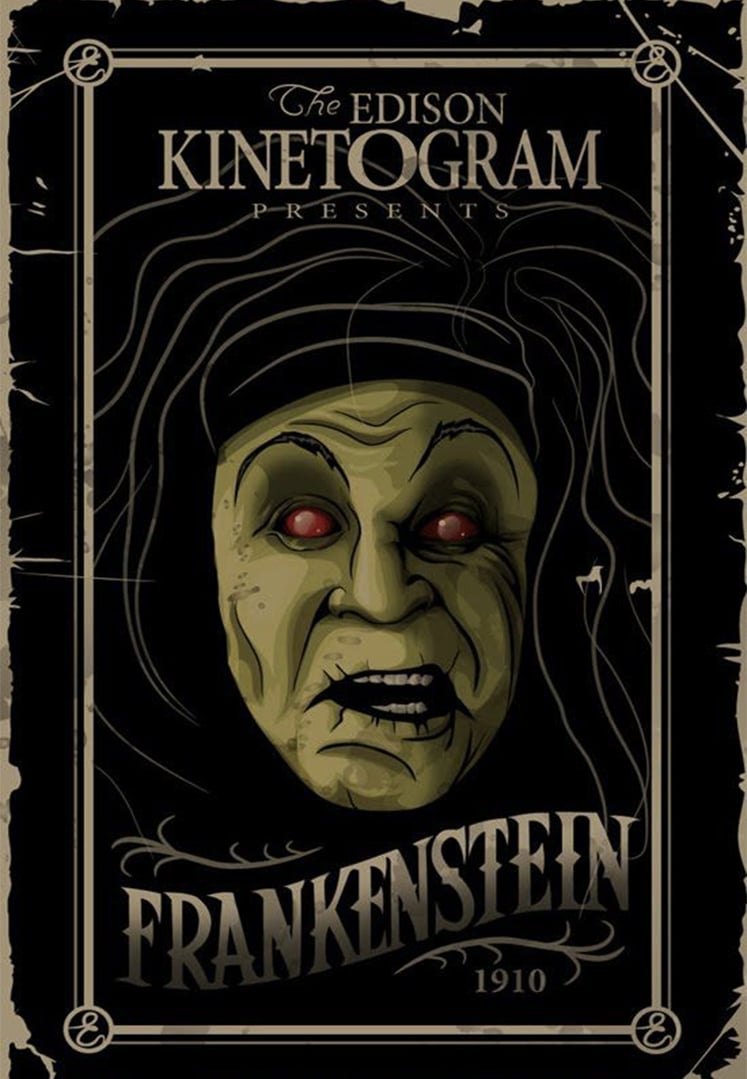
"While he is in college, Frankenstein decides he must attempt to make a perfect human being. The being he creates is given life in a vat of burning chemicals. On the day Frankenstein weds his sweetheart, who has been living patiently at home, he sees the monster he created reflected in a mirror. Having disappeared, the monster returns to his creator to gain acceptance. However, when the creature is in front of the mirror he disappears again, with only his slowly vanishing reflection left. When Frankenstein arrives and stands in front of the same mirror he witnesses the fading image, signifying the monster's destruction in the face of Frankenstein's increased love for his wife and life" (The Frankenstein film sourcebook)
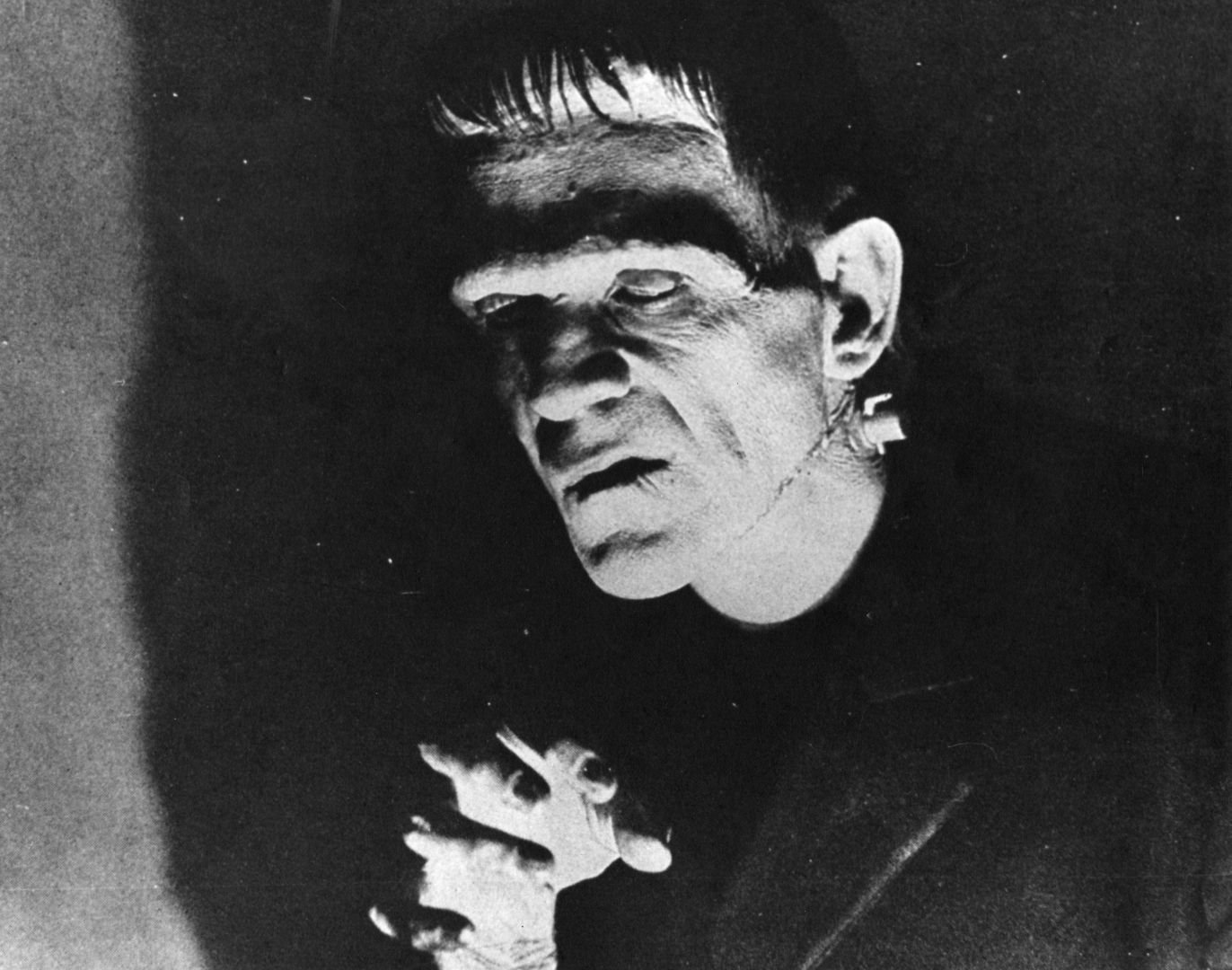
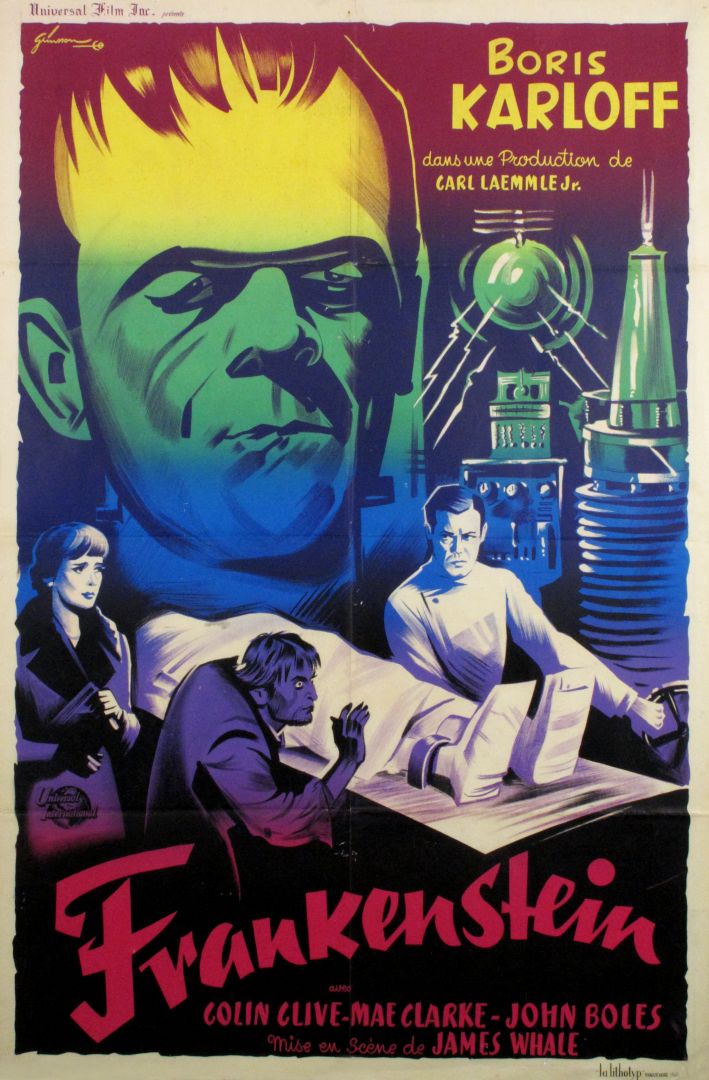
A crazed scientist named Henry Frankenstein creates a living being from body parts of dead bodies, not realizing it has a madman's brain. Based on the novel by Mary Shelley.
« [a] stirring grand-guignol type of picture, one that aroused so much excitement at the Mayfair yesterday that many in the audience laughed to cover their true feelings. » - Mordaunt Hall, The New-York Times, 1931
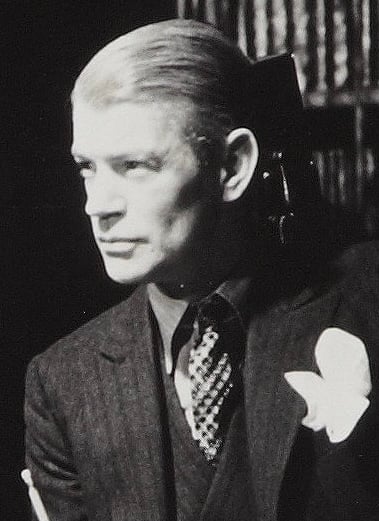
James Whale
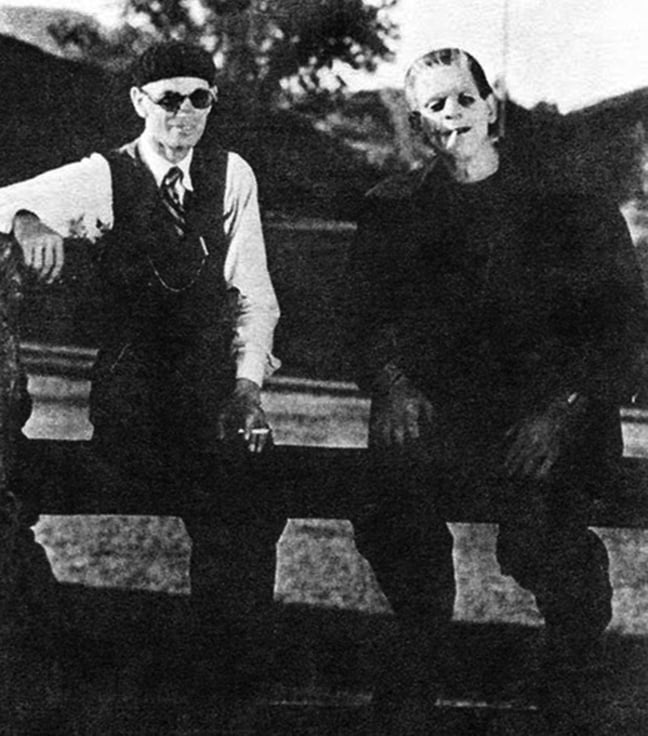
James Whale was a British film director, known for directing several horror classics like Frankenstein (1931), The Old Dark House (1932), The Invisible Man (1933) and Bride of Frankenstein (1935), as well as the musical, Show Boat (1936). Early in his career, he juggled various odd jobs before gradually discovering a passion for drawing and painting. When World War I broke out, he was only 25 years old. Whale enlisted in the army and was later captured by the German forces. While imprisoned, he discovered the joy of amateur theater, an experience that proved to be a revelation for him. However, it wasn't until he was 40 years old that he had the chance to direct a play for the first time, Journey's End. The play was so successful that he was invited to stage it on Broadway, where it was triumphantly received, and then to adapt it in Hollywood. With the advent of talkies, California studios were turning to the theater for dialogue writers. Whale was hired by Paramount. Universal then trusted him to direct the adaptation of Mary Shelley's novel Frankenstein. He directed a dozen films for the company, developing a style characterized by the influence of German Expressionism and a highly mobile camera.
Explore