The Merry Widow
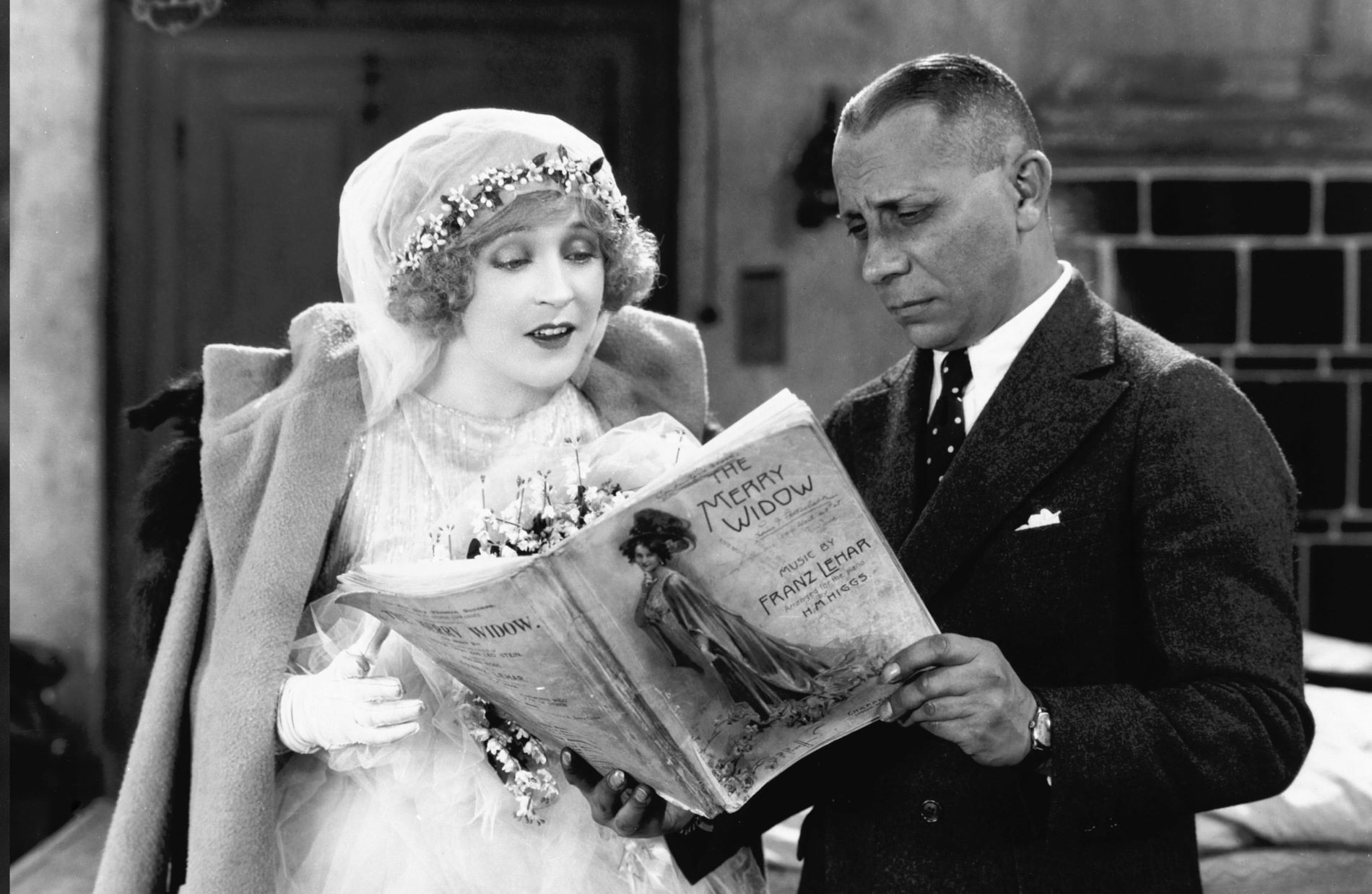
Among the pioneers in the history of cinema, Erich von Stroheim is undoubtedly one of those who strived the most to invent his own myth. This hero of another time, who seemed to carry the end of the Austro-Hungarian Empire on his shoulders, was a remarkable inventor of forms, creating from his very first silent films gems of narration, carried by a breathtaking art of editing. Although he often acted in the films he directed, it was Greed, his great work in which he did not act, that made him the first cursed filmmaker. No version of this film corresponds exactly to the film he had made, which was quickly butchered. With the advent of talking pictures, he became a simple actor (of genius) crossing with his legendary silhouette countless films.
Piano accompaniment: Guillaume Martineau
Based on the operetta Die lustige witwe , music by Franz Lehar, book and lyrics by Victor Leon and Leo Stein (Vienna, 28 Dec 1905).
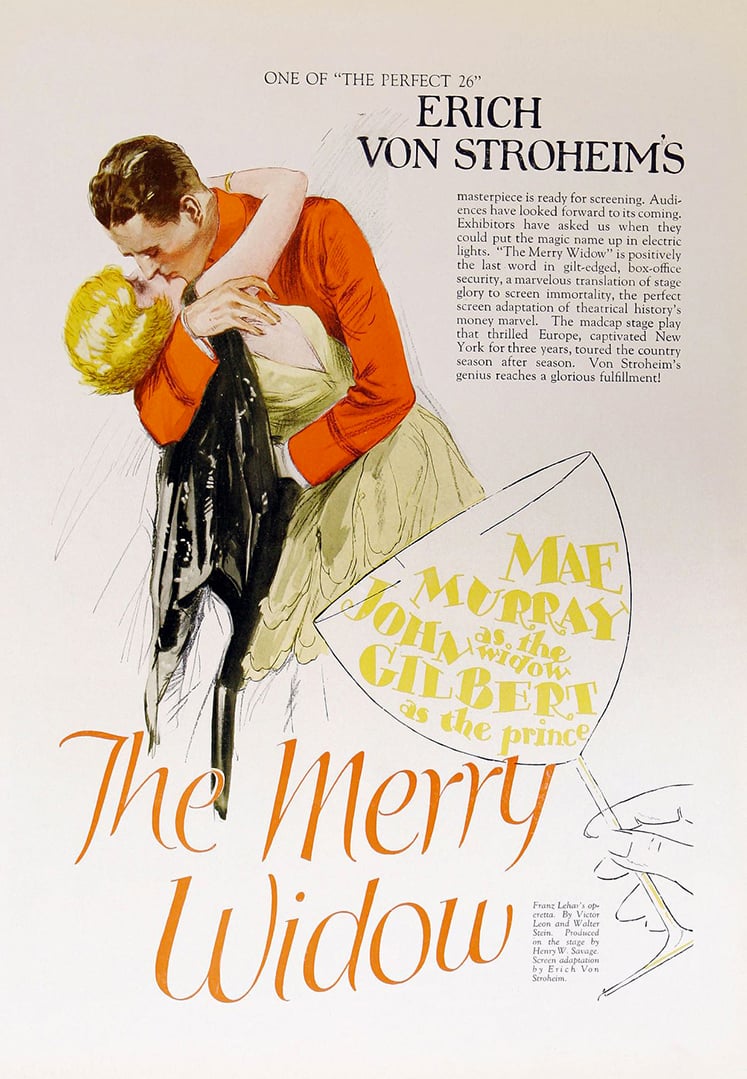
Erich von Stroheim
Erich von Stroheim was an Austrian-American director, screenwriter, actor, and producer, most noted as a film star and avant-garde, visionary director of the silent era. After clashes with Hollywood studio bosses over budget and workers' rights problems, Stroheim found it difficult to find work as a director and subsequently became a well-respected character actor, particularly in French cinema. He is remembered for his role in Jean Renoir's La grande illusion and in Billy Wilder's Sunset Boulevard, next to Gloria Swanson. HIs performance in the latter earned him a nomination for the Academy Award for Best Supporting Actor in 1951.

Explore
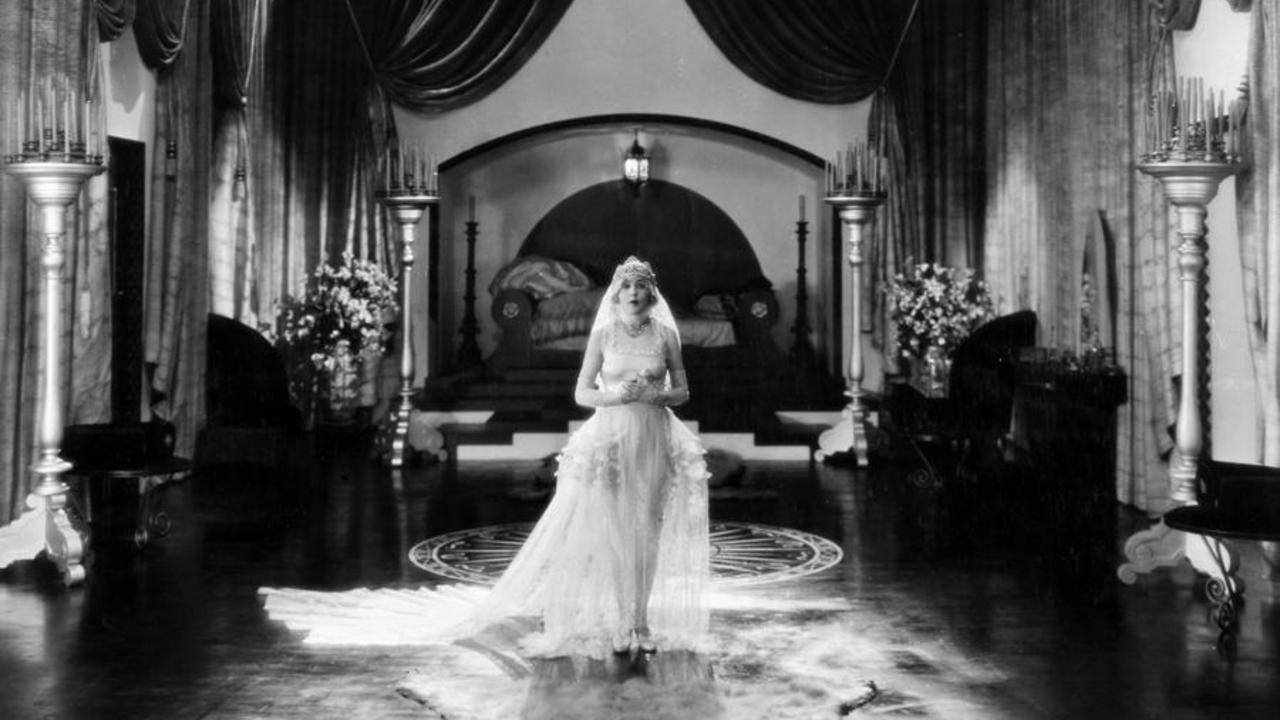
The Merry Widow (Erich von Stroheim)