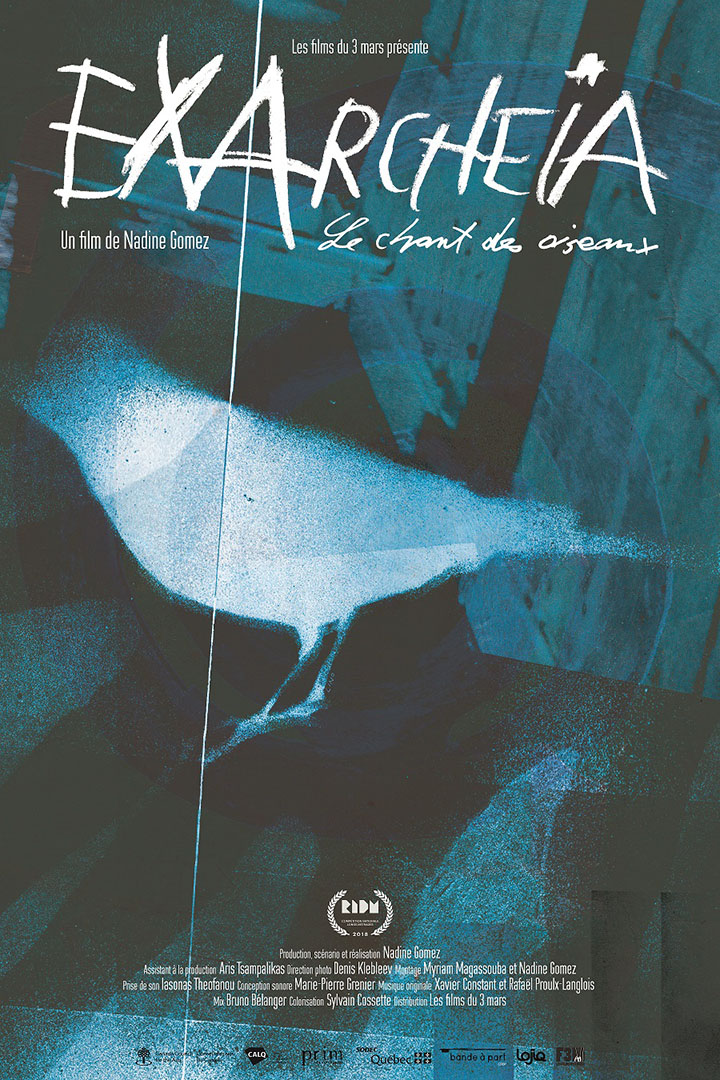
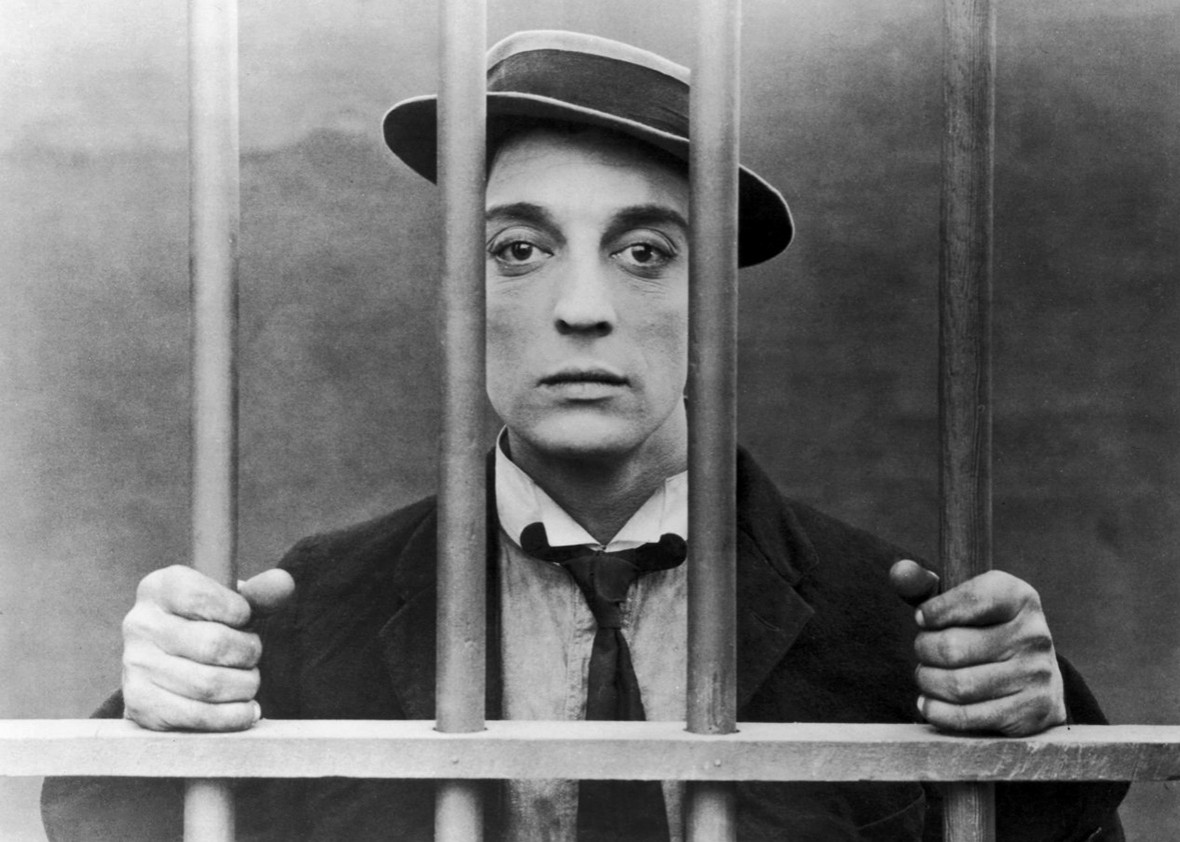
Buster Keaton in jail
Keeping silent cinema alive, by offering audiences a chance to rediscover films from the era with the accompaniment of talented pianists, is an essential component of the Cinémathèque's programming. As digital technology continues to invent new ways of creating images, it is more relevant than ever to remember how eloquent the images from the so-called silent era of film history truly were. It's fascinating to see how much these works and filmmakers contributed to modern cinema – not to mention that it is always a pleasure to return, for a few hours, to the era of images that speak for themselves.
Our summer cycle will be festive or not. Sound and image, song and dance, instrument and breathing, strings and gestures: so many possible combinations to express what cinema and music can achieve and express together. Musicals, concert films, catchy music. Jazz, classical, contemporary, disco, punk... Revolt and enchantment, distress and emphasis, joy and rhythm, melancholy and bass, laughter and stridency: diverse expressions characterizing cinema and music's historical alliance, will definitely make us fly, dream, dance!
From the 30's to the present day and across all possible genres, this cycle aims to open our minds at a time when we most need it. The first week of July will be an eventful one, as the cycle will open with several evenings in cabaret mode, where we will present for the first time concert films produced in Quebec during the confinement, with the participation of major artists of the current music scene: Klô Pelgag, Marie Davidson and Godspeed You! Black Emperor.
ON THE PIANO: ROMAN ZAVADA
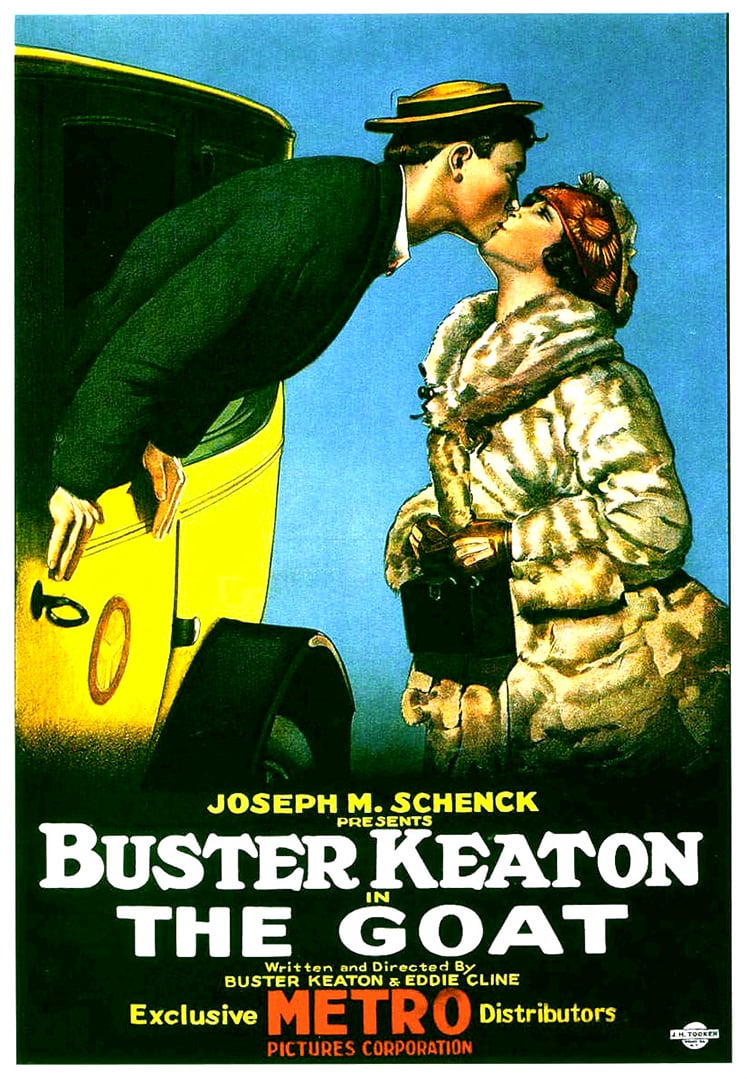
A sequence of adventures begins when an accident during a photo shoot causes Buster to be mistaken for Dead Shot Dan, the local villain.
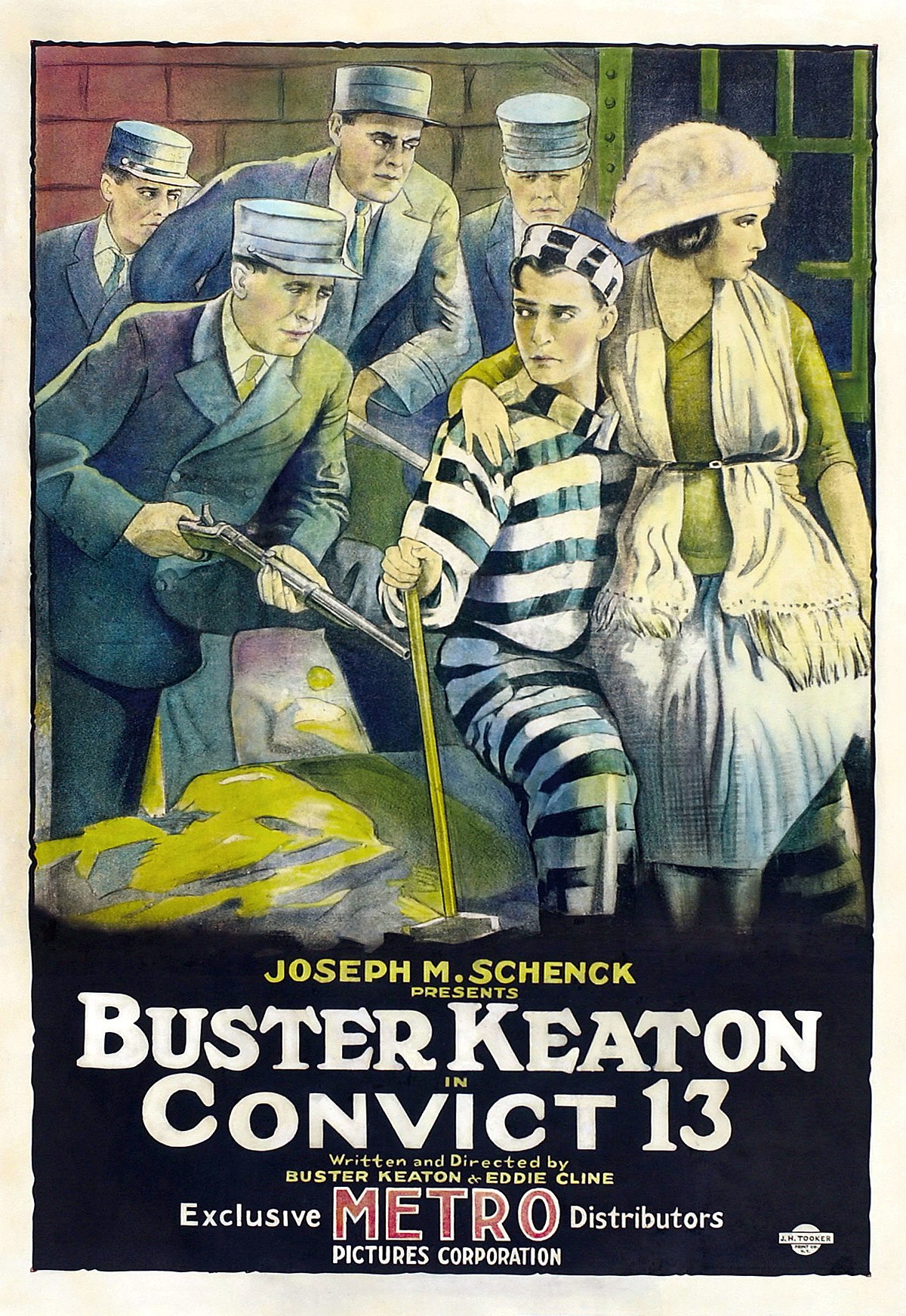
A young golfer is assaulted by an escaped convict and ends up in a prison where he foils an escape.
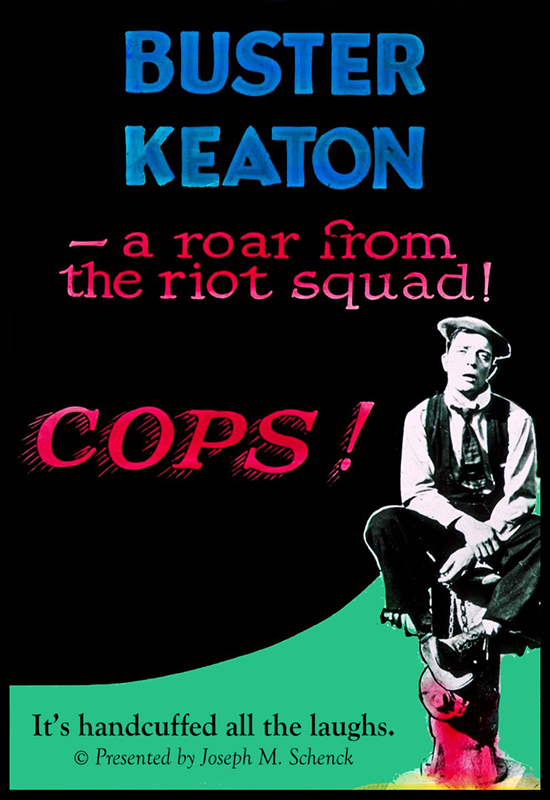
A series of misadventures leads to a young man being pursued by the entire police force of a large city.
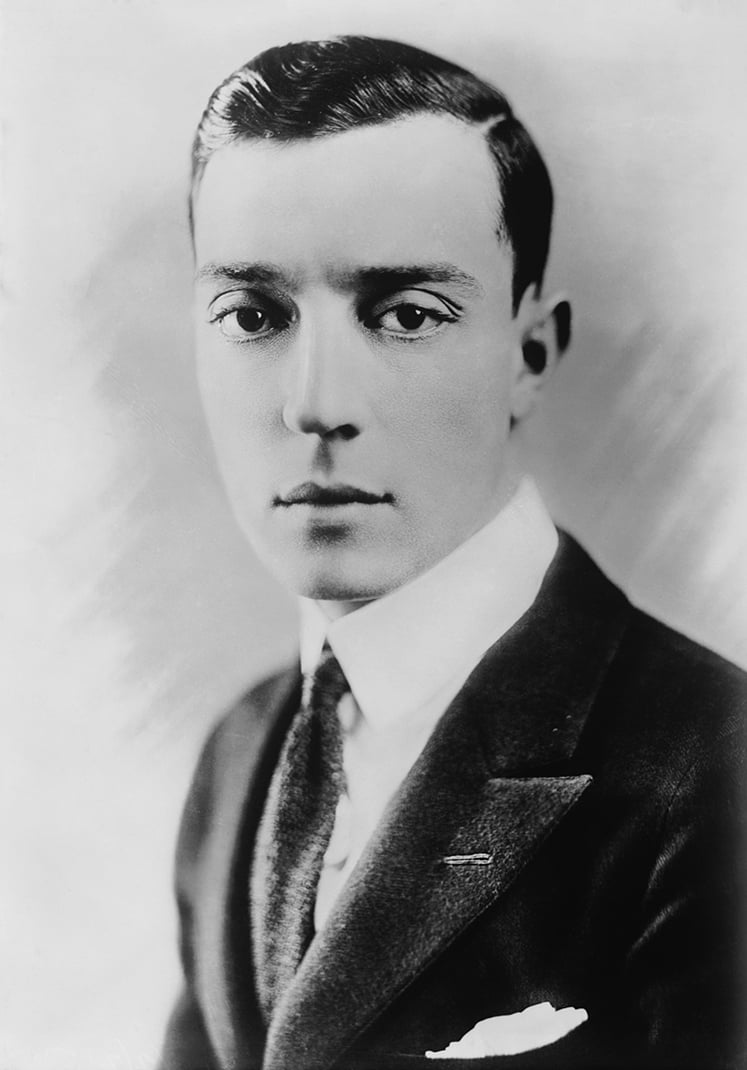
Buster Keaton
Buster Keaton was an American actor, comedian and filmmaker. He is best known for his silent films during the 1920s, in which he performed physical comedy and inventive stunts. He frequently maintained a stoic, deadpan facial expression that became his trademark and earned him the nickname "The Great Stone Face". As a child vaudeville star, he was performing as part of his family's traveling act. As an adult, he began working with independent producer Joseph M. Schenck and filmmaker Edward F. Cline, with whom he made a series of successful two-reel comedies in the early 1920s. He then moved to feature films such as Sherlock Jr. (1924), The General (1926), Steamboat Bill, Jr. (1928), and The Cameraman (1928), remain highly regarded. The General is perhaps his most acclaimed work; Orson Welles considered it "the greatest comedy ever made... and perhaps the greatest film ever made". Critic Roger Ebert wrote of Keaton's "extraordinary period from 1920 to 1929" when he "worked without interruption" as having made him "the greatest actor-director in the history of the movies". He earned an Academy Honorary Award in 1959.