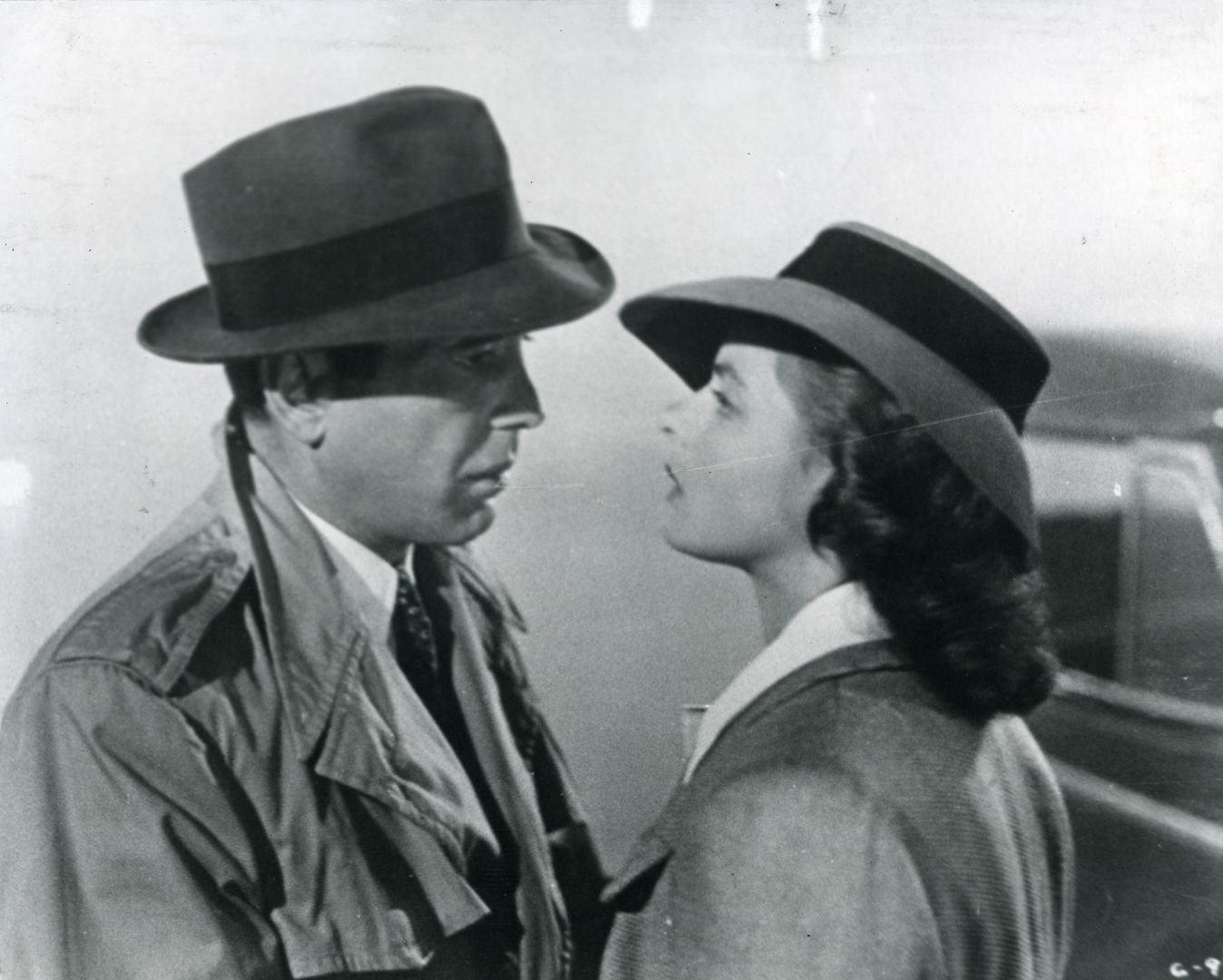
Casablanca
Making lists is an activity moviegoers are fond of. Every year, the same ritual: compilation of the ten best films, with comparative analyses, debates, heated discussions. But what about the ultimate list of the most outstanding films in the history of cinema? That is to say, those films that must be seen, those that have forever transformed the art of cinema, but also our way of seeing a culture, of understanding the world as well as our own lives? This program aims to tackle this challenge with nearly eighty films, produced between 1916 and 1960, while waiting for your lists!
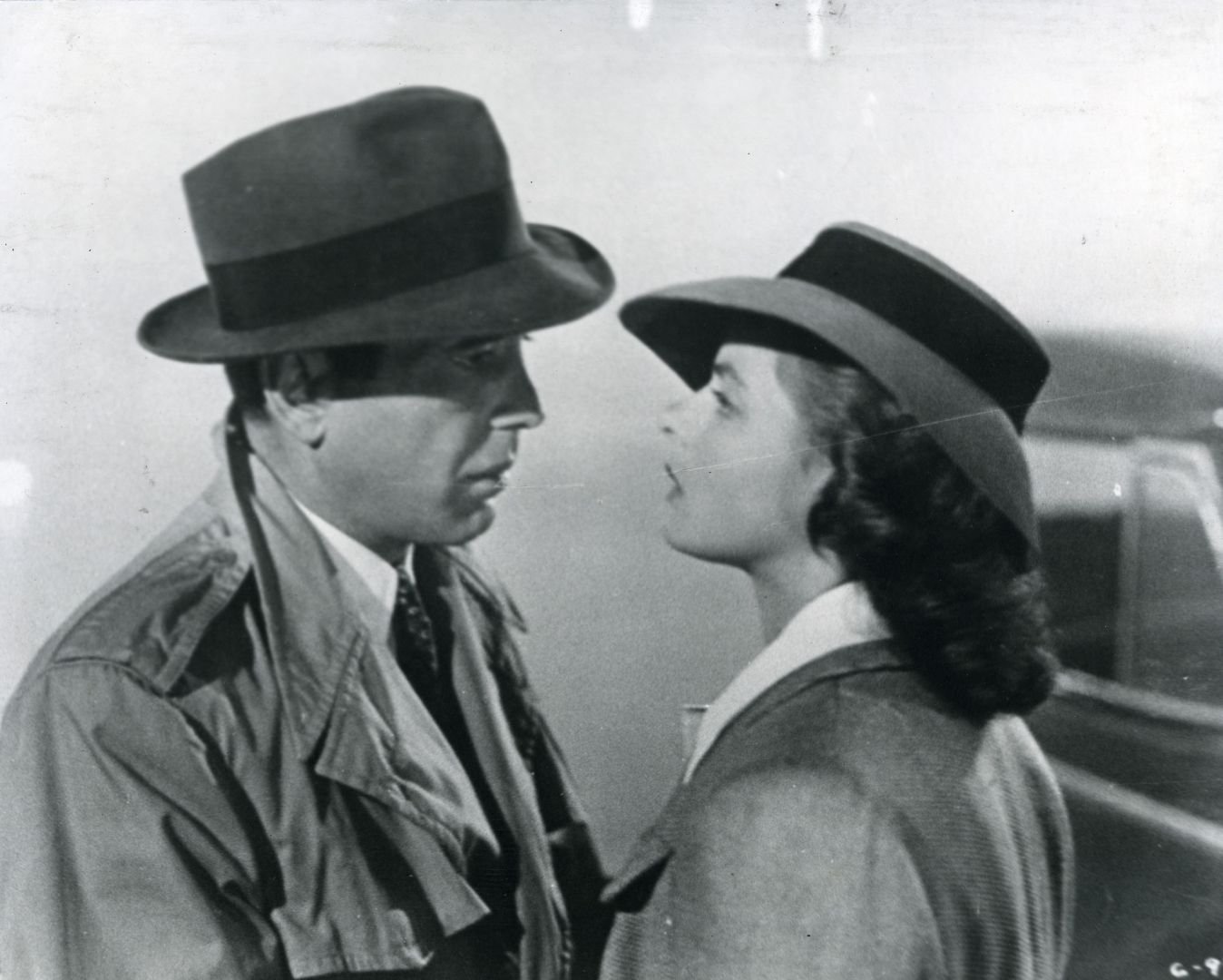
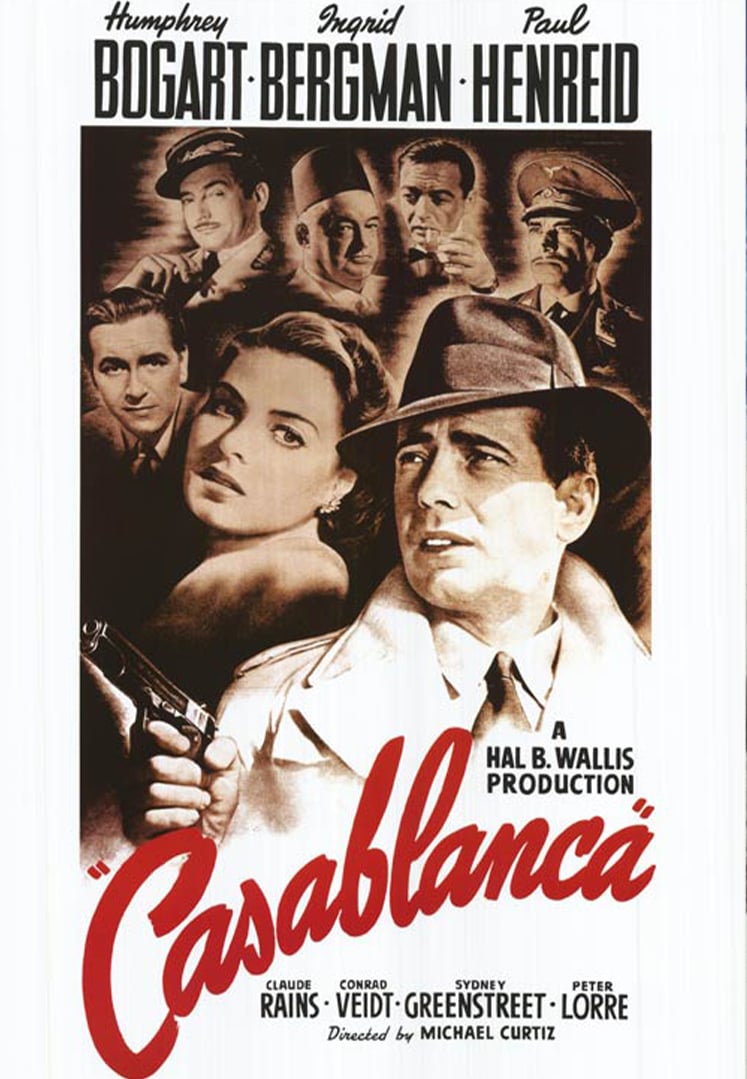
Casablanca, 1941. The city, under French administration, is a transit point for those who want to escape Nazism. A bar owner tries to stay above the fray, but is upset by the arrival of a woman he once loved.
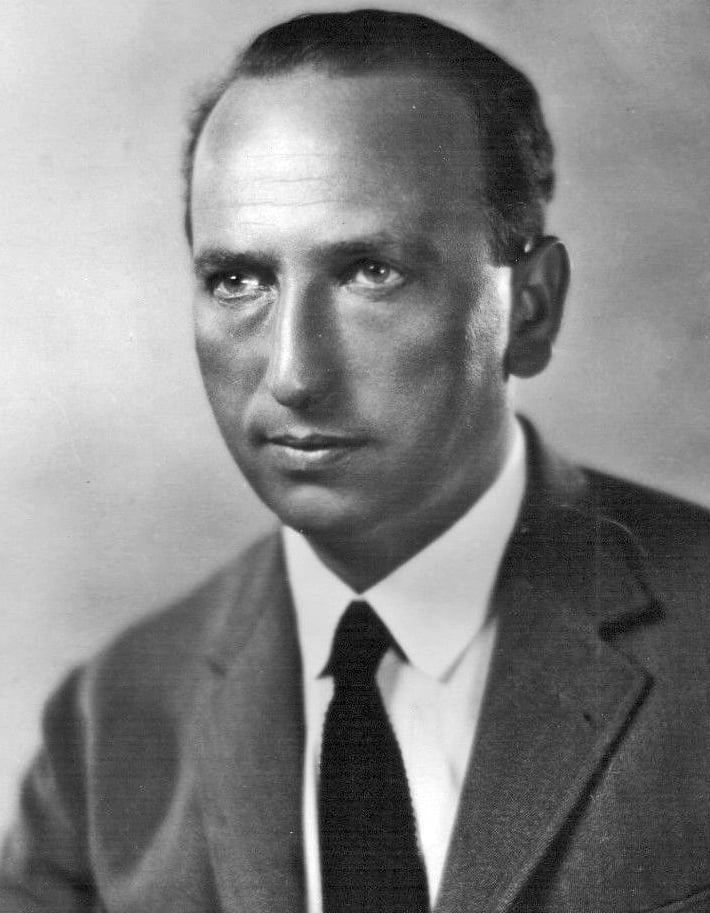
Michael Curtiz
Michael Curtiz was a Hungarian and American film director, recognized as one of the most prolific directors in history. He directed classic films from the silent era and from Hollywood's Golden Age, when the studio system was prevalent. Curtiz was already a well-known director in Europe when Warner Bros. invited him to Hollywood in 1926, when he was 39 years of age. He had already directed 64 films in Europe, and soon helped Warner Bros. become the fastest-growing movie studio. He directed 102 films during his Hollywood career, mostly at Warners, where he directed ten actors to Academy Awards nominations. He himself was nominated five times, and won twice, once for Best Short Subject for Sons of Liberty (1939) and once as Best Director for Casablanca (1942). He was among those who introduced to Hollywood a visual style using artistic lighting, extensive and fluid camera movement, high crane shots, and unusual camera angles. He was versatile, and could handle any film genre. He always paid attention to the human-interest aspect of every story, stating that the "human and fundamental problems of real people" were the basis of all good drama. Curtiz helped popularize the classic swashbuckler, with films such as Captain Blood (1935) and The Adventures of Robin Hood (1938).