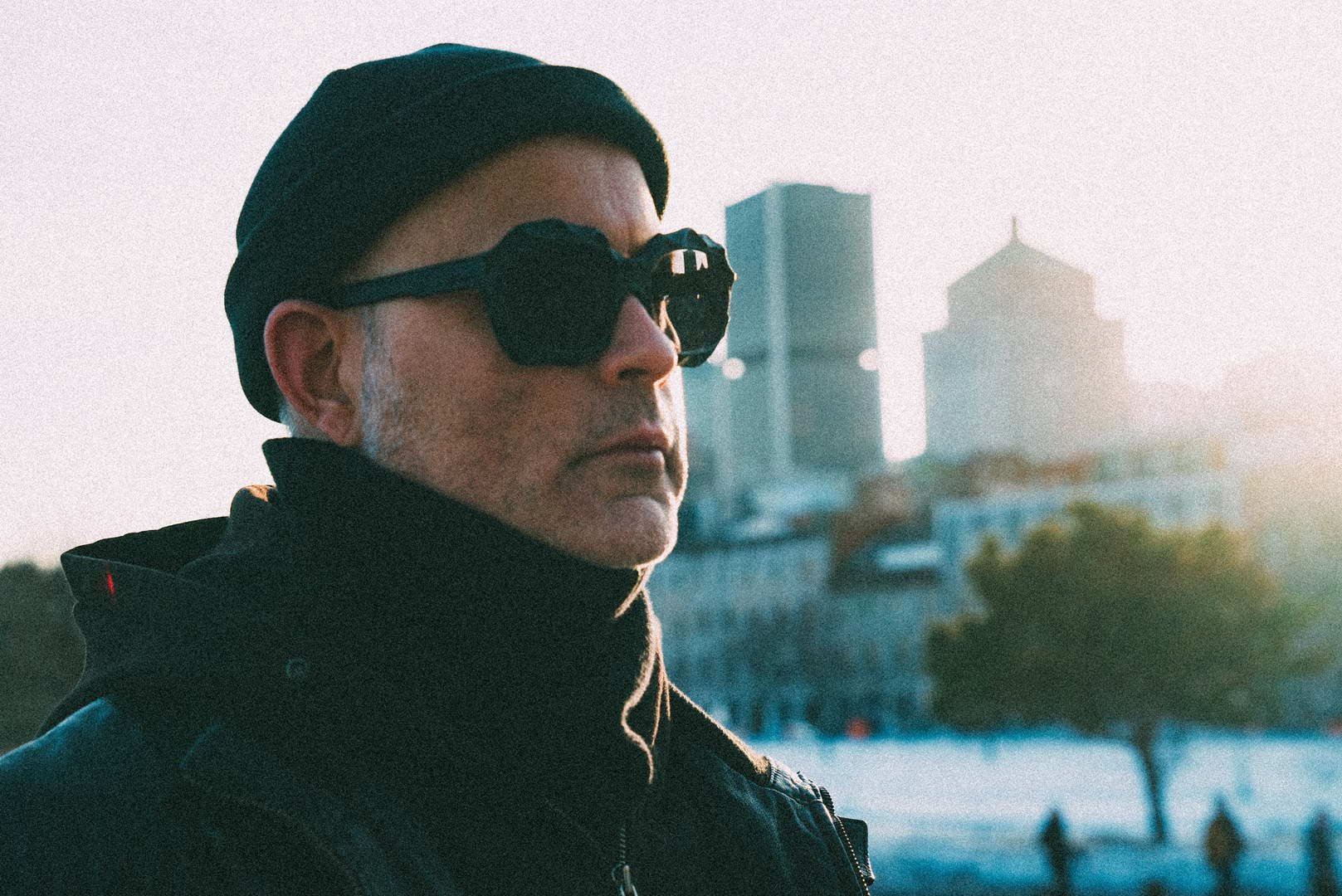
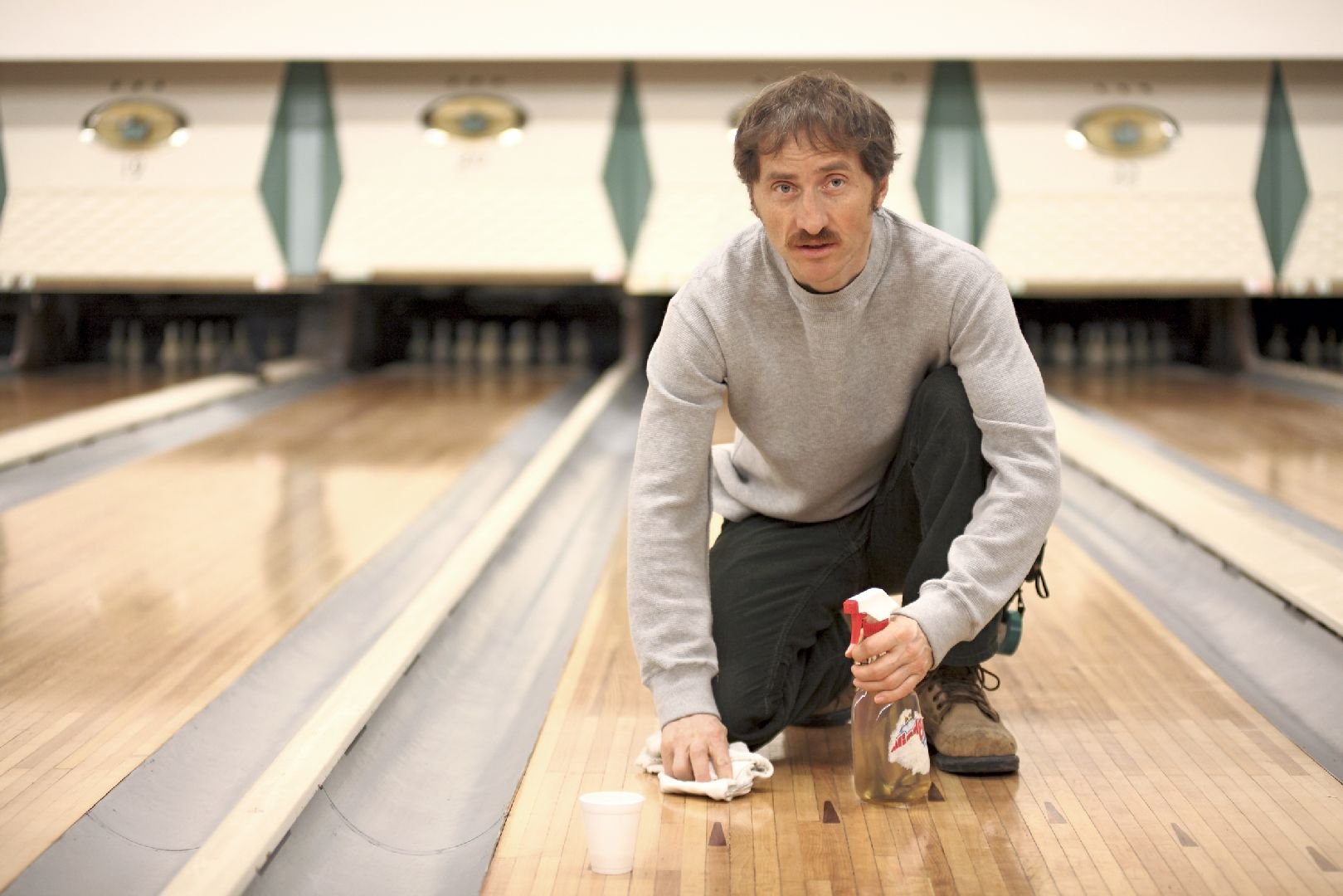
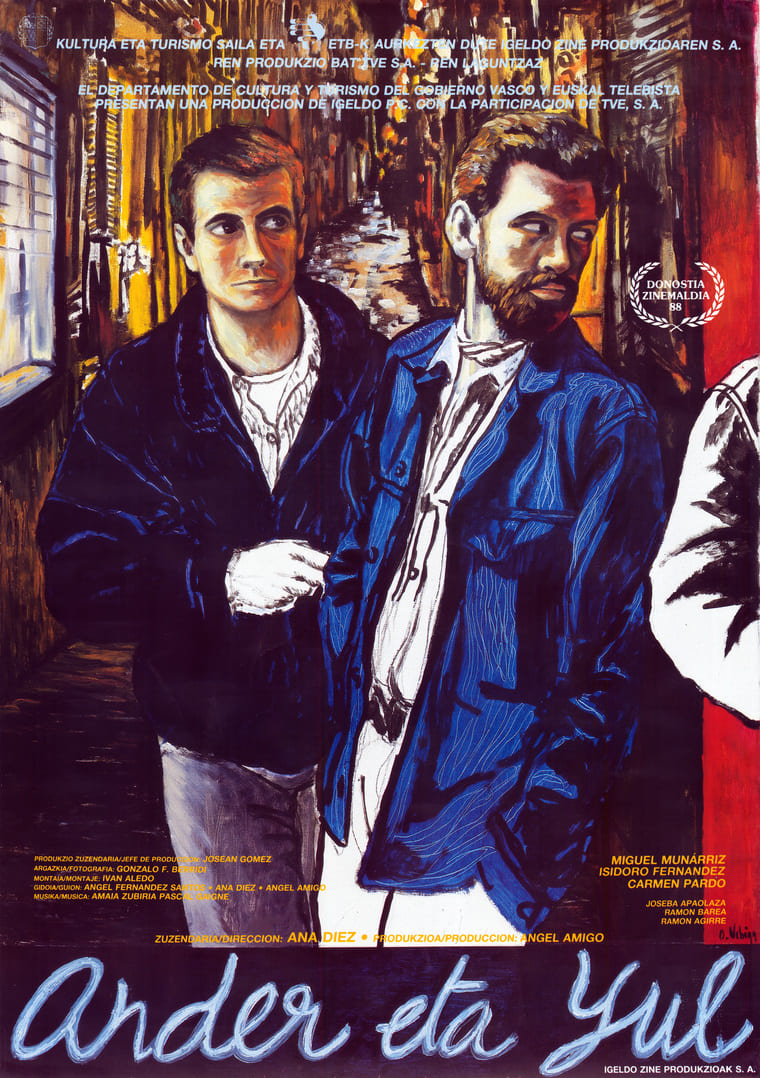
To celebrate Denis Côté receiving the Prix Albert-Tessier (Quebec’s highest honor for a filmmaker) we are presenting a retrospective of his work. From his debut to his latest feature film (his sixteenth), his directorial choices and perspective have remained at the core of his storytelling. Embracing documentary techniques, a cornerstone of Quebec cinema, he explores the truth-bearing power of cinematic images, testing their limits through a masterful mise-en-scène. In the truest sense, he seeks to uncover the unexpected, the improbable, peeling back the layers of a world that is both enigmatic and complex. His filmmaking evokes the essence of cinema’s early days, where the camera casts a unique and unparalleled light on the world we inhabit.
Winner of the Best Direction and Best Actor awards, 2010 Festival de Locarno
Set in a harsh, wintry landscape gently isolated from the world, Curling explores the life of an over-protective father and his solitary twelve-year-old daughter. Jean-François Sauvageau awkwardly spends time with Julyvonne between odd jobs. The fragile balance of their relationship is threatened by some unusual events.
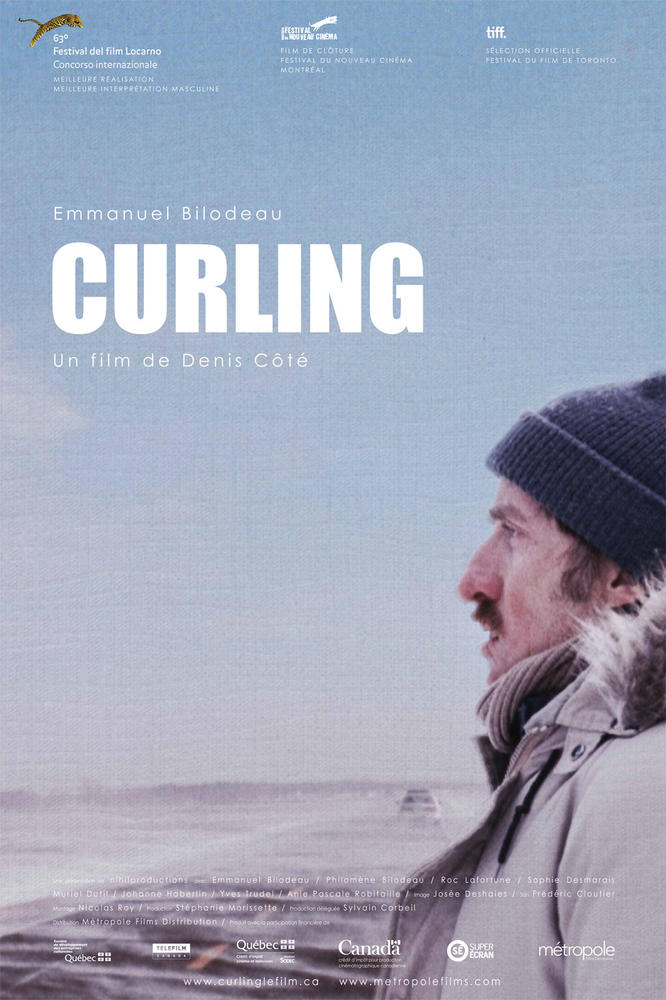
Denis Côté
Denis Côté (1973 – New-Brunswick, Canada) has shot fifteen short-films in the 1990s and 2000s. He has been a journalist and film critic before directing his first feature film Drifting States (Les états nordiques) in 2005, launching a sustained and prolific creative rhythm. Carcasses (2009) was presented at Cannes’ Quinzaine des réalisateurs. Curling, his fifth feature film, won honors at the Locarno Film Festival and was presented at more than 80 festivals. In 2013, Vic+Flo Saw a Bear (Vic+Flo ont vu un ours) won the Silver Bear for Innovation at the Berlin International Film Festival. His award-winning films explore themes of solitude and alienation through often eccentric characters. Highlighted in more than forty retrospectives worldwide, his distinctive signature was recognized with the Prix Albert-Tessier in 2024, the highest honor in cinema awarded by the Government of Quebec. Nobody’s Violence (2026) is his 17th feature film.