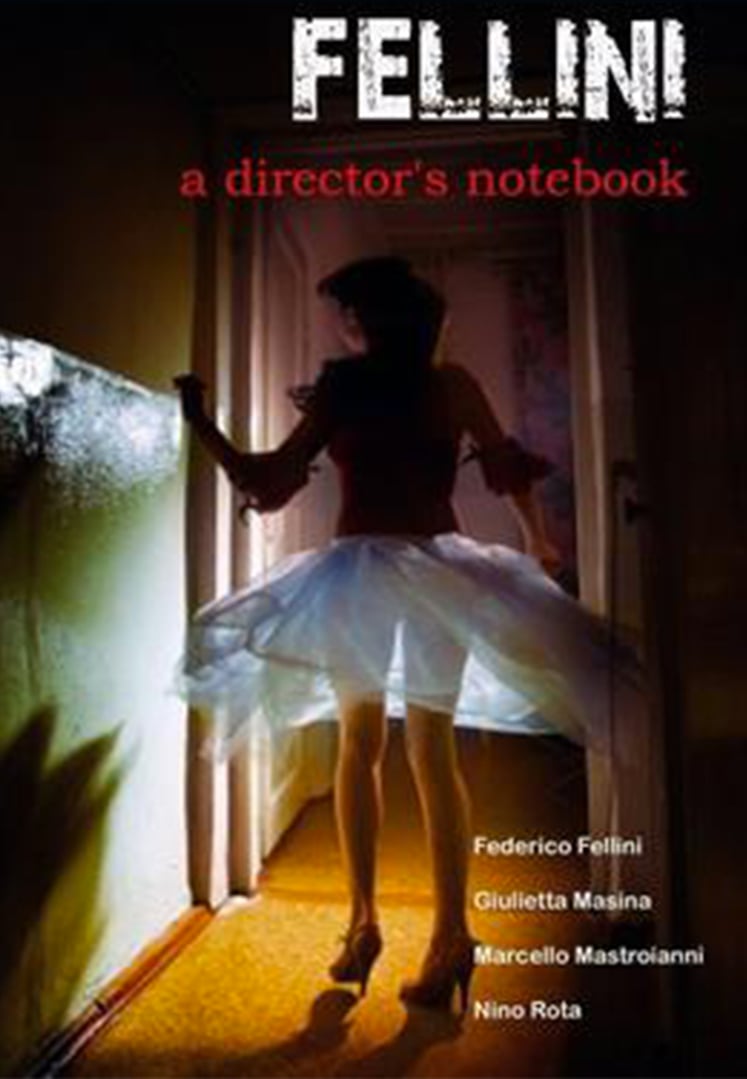
Fellini: A Director's Notebook
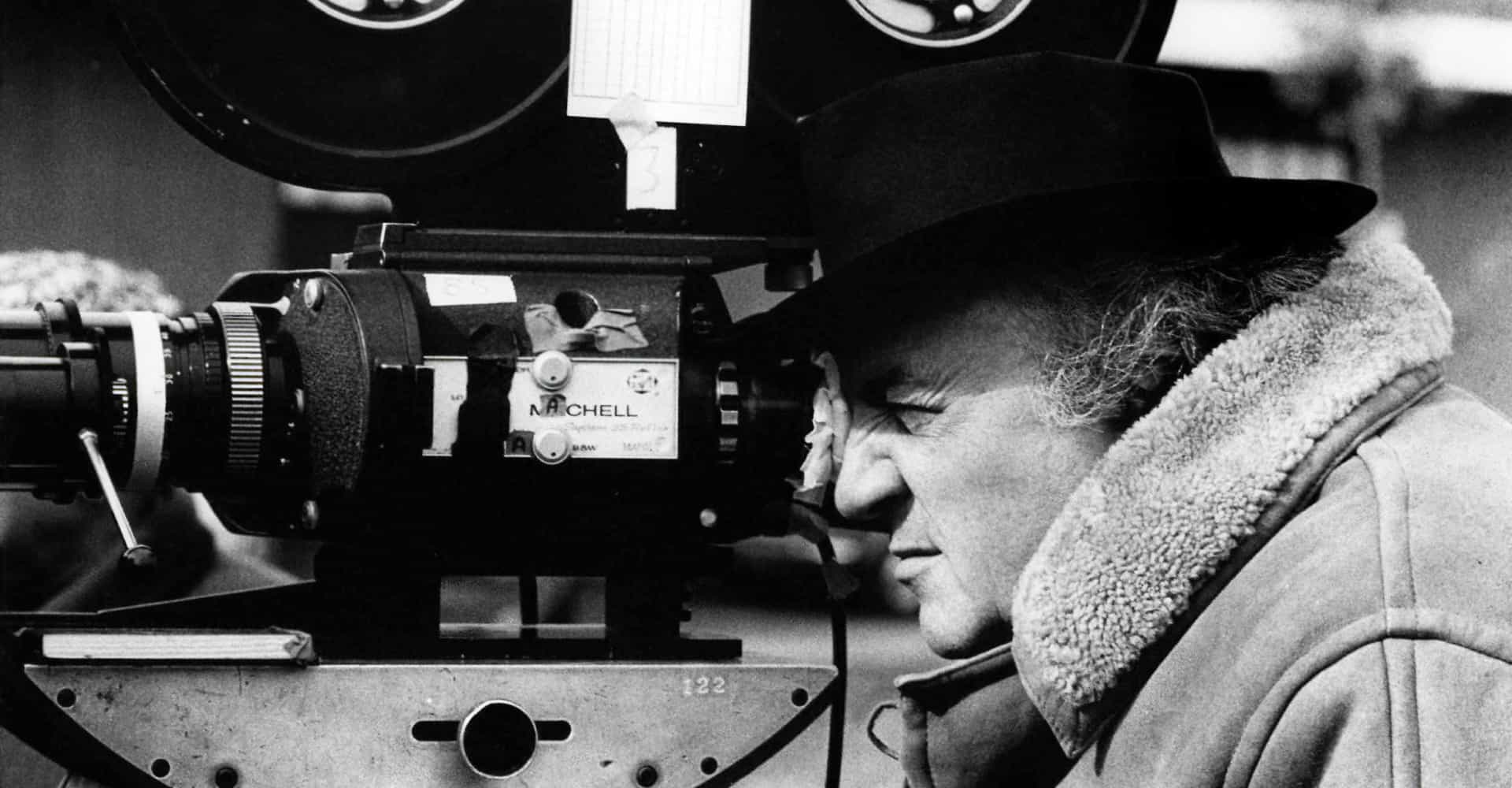
As an institution with a consistent focus on the history of cinema, a comprehensive Federico Fellini retrospective is the least we can do to mark his centennial. He was a great inventor of cinematic forms and a complex artist – paradoxical, tormented, light-hearted, provocative, introspective, brutal, idealistic and jaded all at once. He recreated the world through his lens, while remaining a sharp observer of his contemporaries and the many sensitivities of his time.
It is a fake documentary following Fellini along the remains of Il viaggio di G. Mastorna’s set and then on his inspections to find relics of ancient times and during Satyricon auditions.
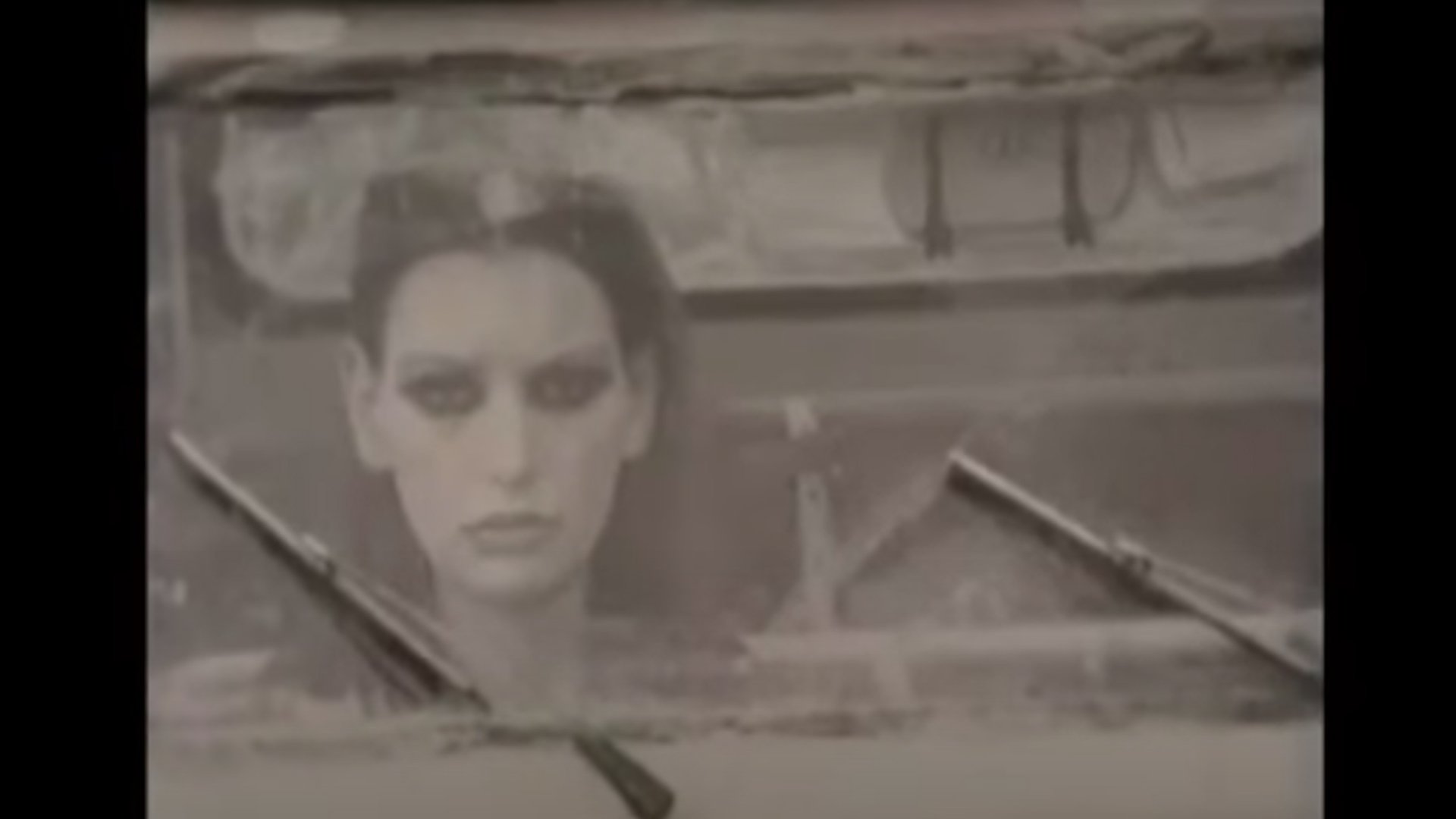
Trailer in VA. The movie will be in VOSTF.
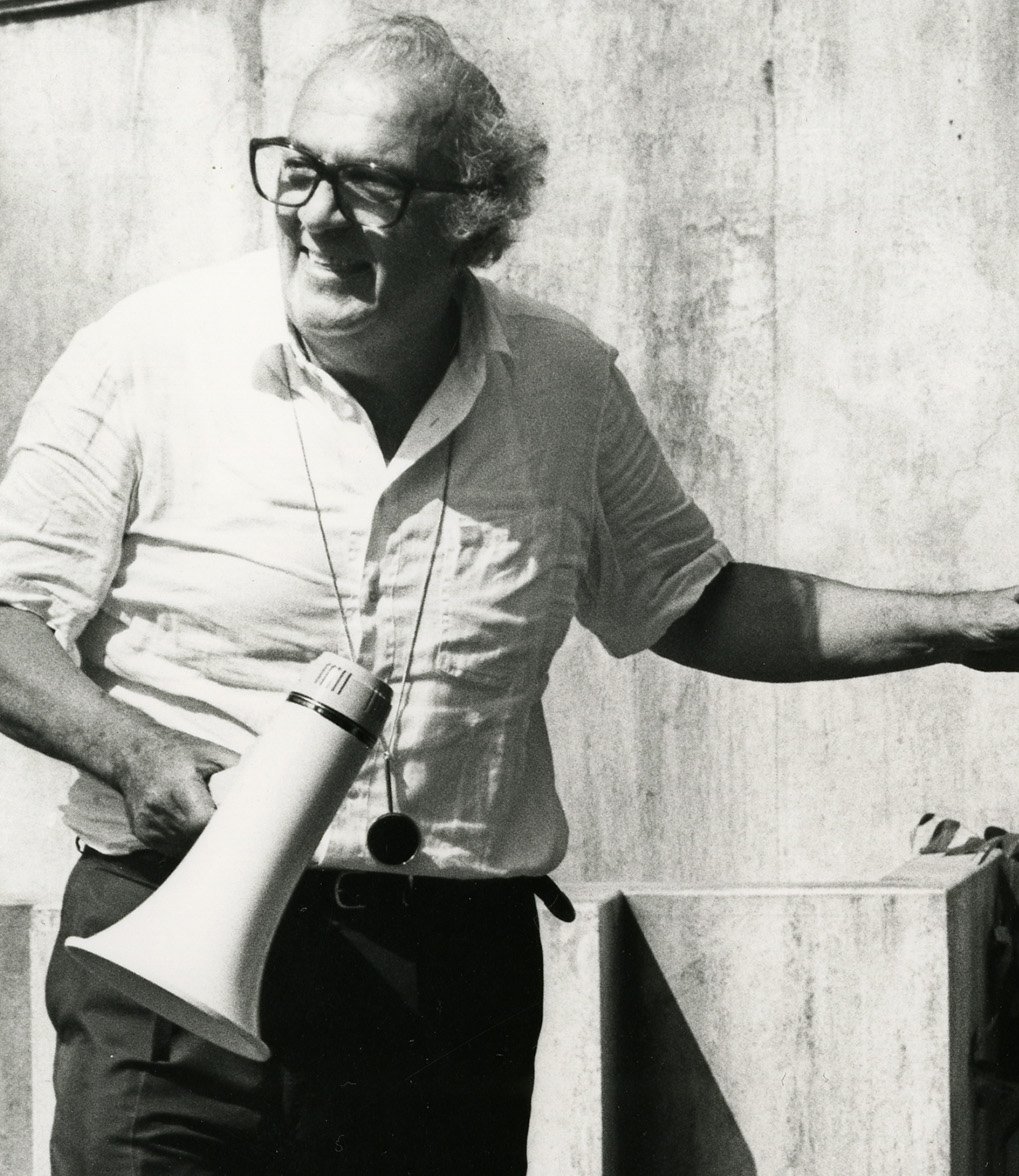
Federico Fellini
Federico Fellini was one of the greatest Italian writers and directors of the 20th century, and one of the most illustrious filmmakers in the history of cinema. He won the Palme d'or at Cannes in 1960 for La dolce vita, and took home the Oscar for Best Foreign-Language Film four times (La strada, Nights of Cabiria, 8½, and Amarcord), a record he shares with his compatriot Vittorio De Sica. Initially associated with neo-realism, Fellini’s work evolved over the course of the 1960s toward a unique approach related to European modernism, a movement associated with Ingmar Bergman, Michelangelo Antonioni, Alain Resnais, Jean-Luc Godard and Andrei Tarkovsky. His films grew increasingly to embrace a proliferation of themes, deliberate artifice and the complete erasure of boundaries between dream, imagination, hallucination and reality. In 1993, the Academy of Motion Picture Arts and Sciences awarded him a lifetime achievement award in recognition of his place as one of the screen’s master storytellers.