La grande bouffe
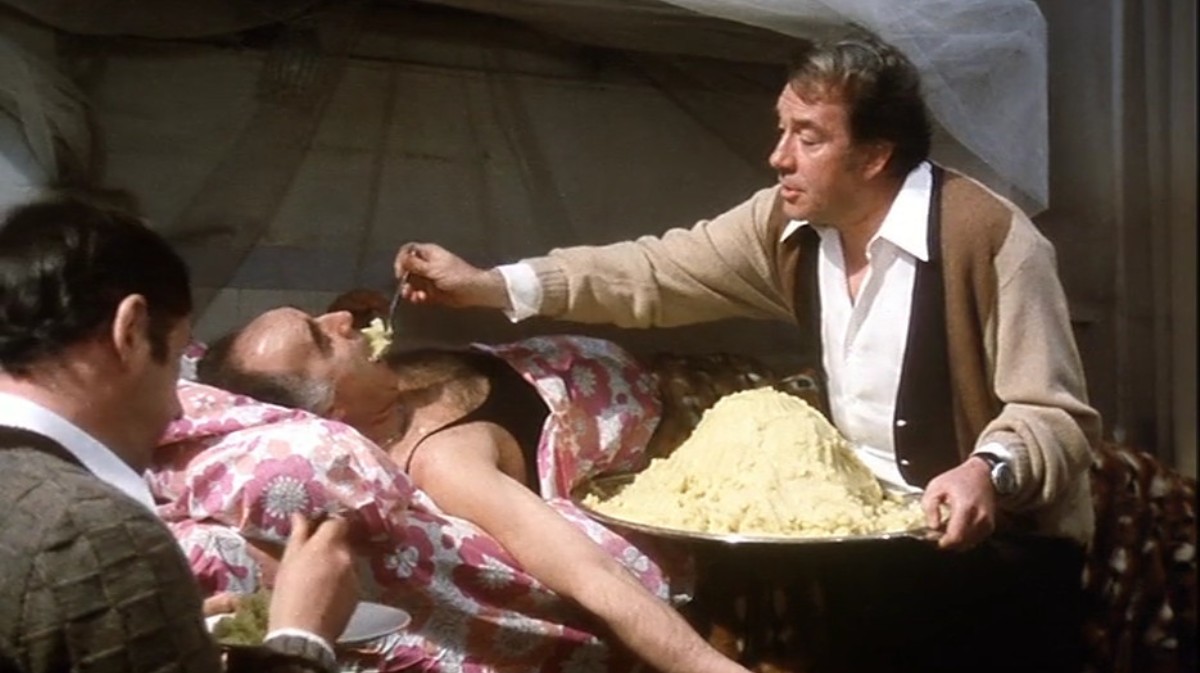
Let's enjoy this Easter season, with its many culinary traditions, to explore a tempting style of cinema: films that honor victuals, those who prepare them and those who devour them. Gourmet and luscious - in restaurants or in private, food is a jubilant playground for cinema. Unifying, outrageous, virtuoso or explosive, the scenes of meals and food offer the perfect frame to parody or shake up human relations.
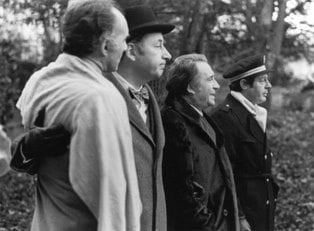
Four friends lock themselves away for a weekend in the country and organize a gigantic banquet.
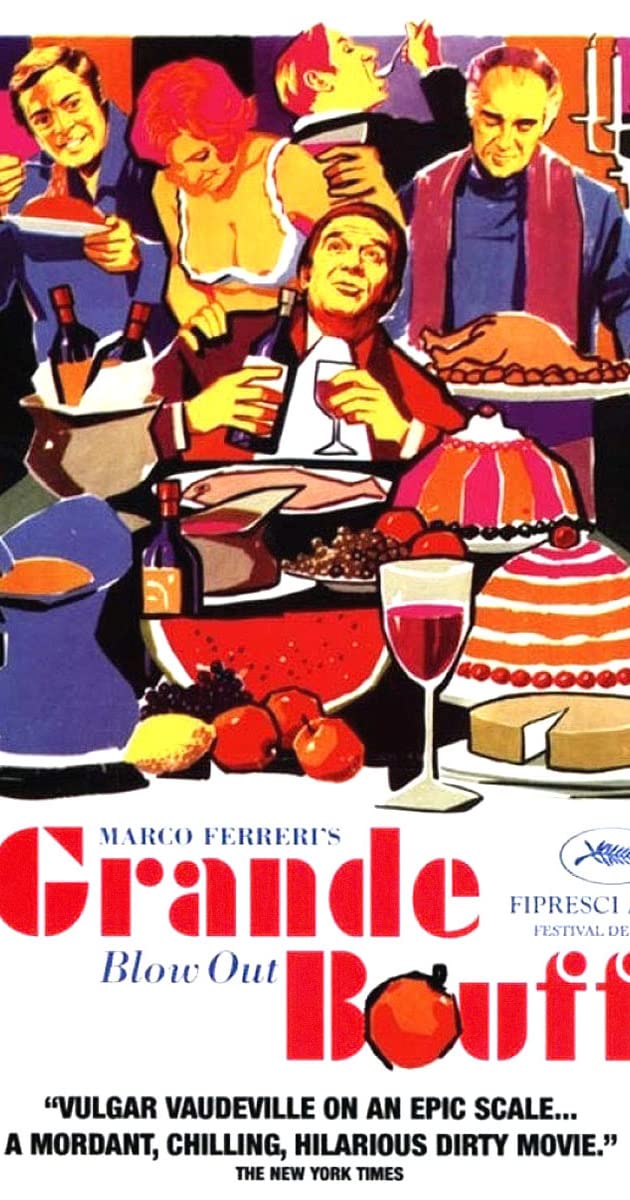
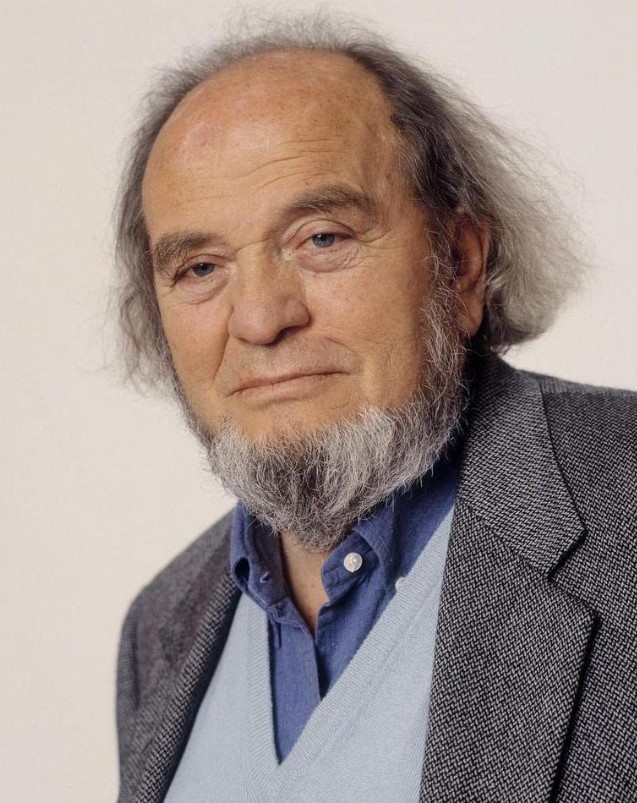
Marco Ferreri
Marco Ferreri is an Italian director, actor and screenwriter. Inspired by the cultural vibrancy of post-war Italy, he moved to Rome and began producing a series of documentaries, asking various filmmakers and writers (including Luchino Visconti, Vittorio De Sica, Federico Fellini, Alberto Moravia, and Cesare Zavattini) to direct films. In 1952, he worked as production director on Alberto Lattuada's The Overcoat. His 1960 film The Wheelchair triumphed at the Venice Film Festival and earned the Grand Prize for Black Humor in Paris. In the 1970s, his films took a sharp look at the psychological toll of industrial productivity and capitalist excess in modern society. He transformed Annie Girardot into a circus animal with thick fur in The Ape Woman, cast Ugo Tognazzi as a sex education teacher in Sex Quartet, and turned Catherine Deneuve into a dog-woman in Liza. His provocative La grande bouffe, depicting the collective suicide of four friends through gluttony, sparked outrage at the 1973 Cannes Film Festival. Ferreri continued creating films until 1996, concluding his career with Nitrato d'argento, a documentary on the history of cinema.