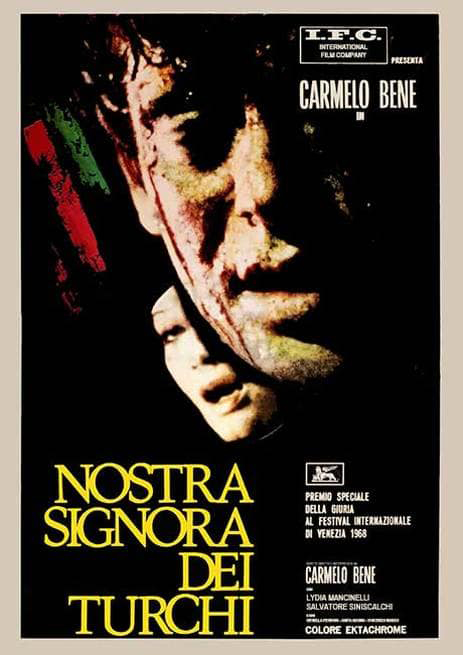
Our Lady of the Turks
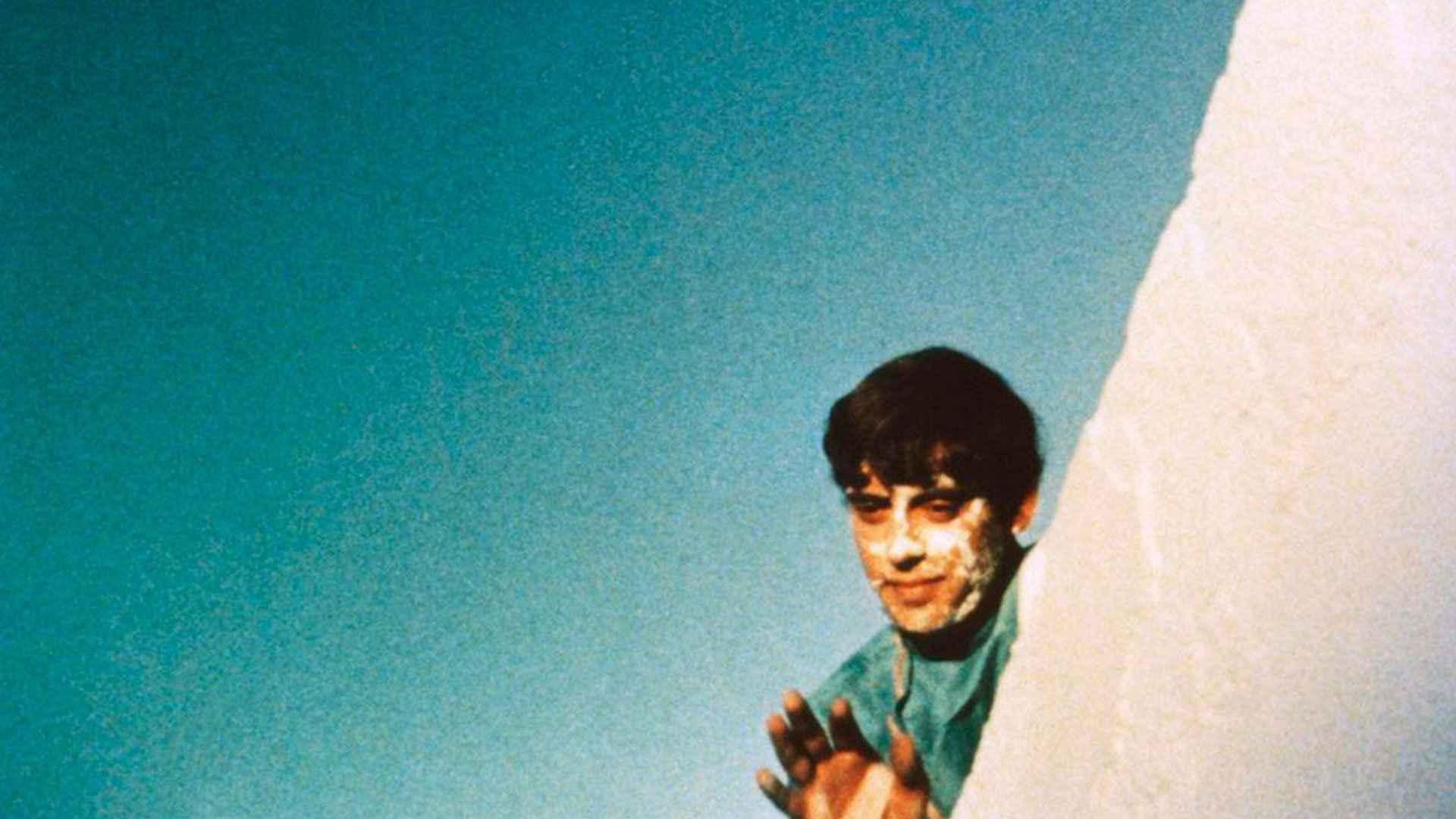
In collaboration with the Guido Molinari Foundation, we are looking back at 1968 in Italy. Like in France, it was a year of demands, protests, and social movements. Artists were no exception and, during this period, produced works that directly reflected the context in radical aesthetic forms. The current exhibition at the Guido Molinari Foundation explores this era through the eyes of artists Ulysse Comtois and Guido Molinari, who were featured at the time in the Canadian pavilion at the Venice Biennale. On the cinematic front, dissent was brewing at the Mostra, the famous festival on the Lido. Italian works from Pasolini, Bene, and Baldi capture this atmosphere.
Winner of the Special Jury Prize, 1968 Venice International Film Festival
For his first feature film, Carmelo Bene—an iconoclastic Italian theater artist whose work follows in the tradition of Antonin Artaud—adapted his 1964 novel of the same name. Evoking the massacre of the Saracens in Otranto by the Turks in the 15th century, the film follows a man who rejects society and challenges its customs. In an excessive and baroque style, Bene subverts all narrative conventions in an avant-garde work that is unparalleled.
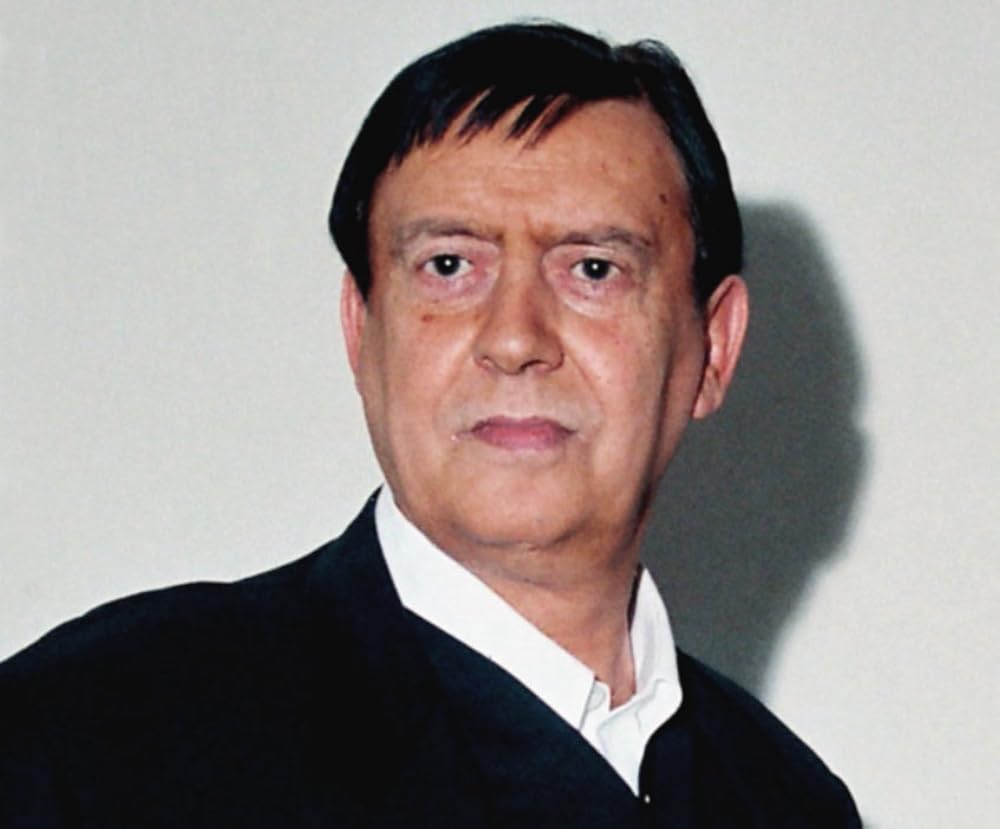
Carmelo Bene
Carmelo Bene was an Italian actor, poet, film director, and screenwriter. He was an important exponent of the Italian avant-garde theatre and cinema. In 1968, his film Our Lady of the Turks won the Special Jury Prize at the Venice Film Festival.
Explore
Presented in collaboration with