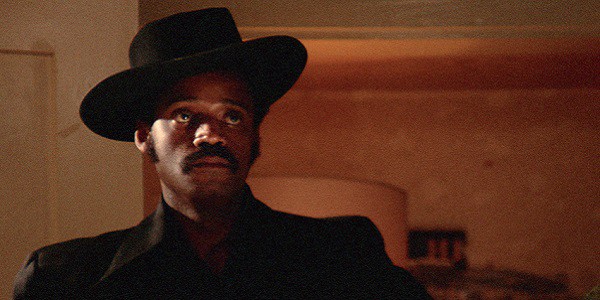
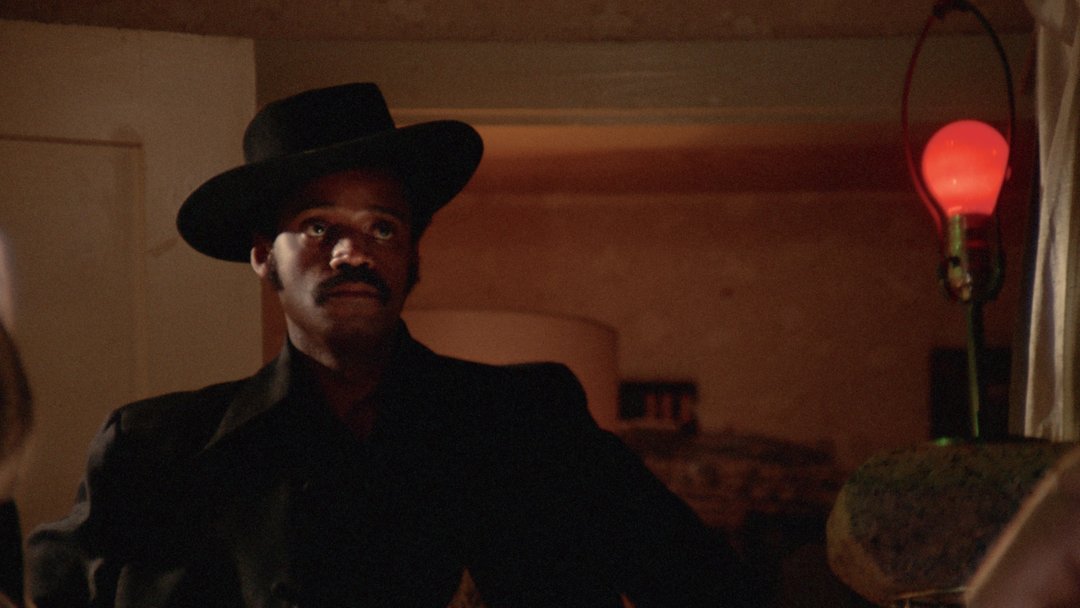
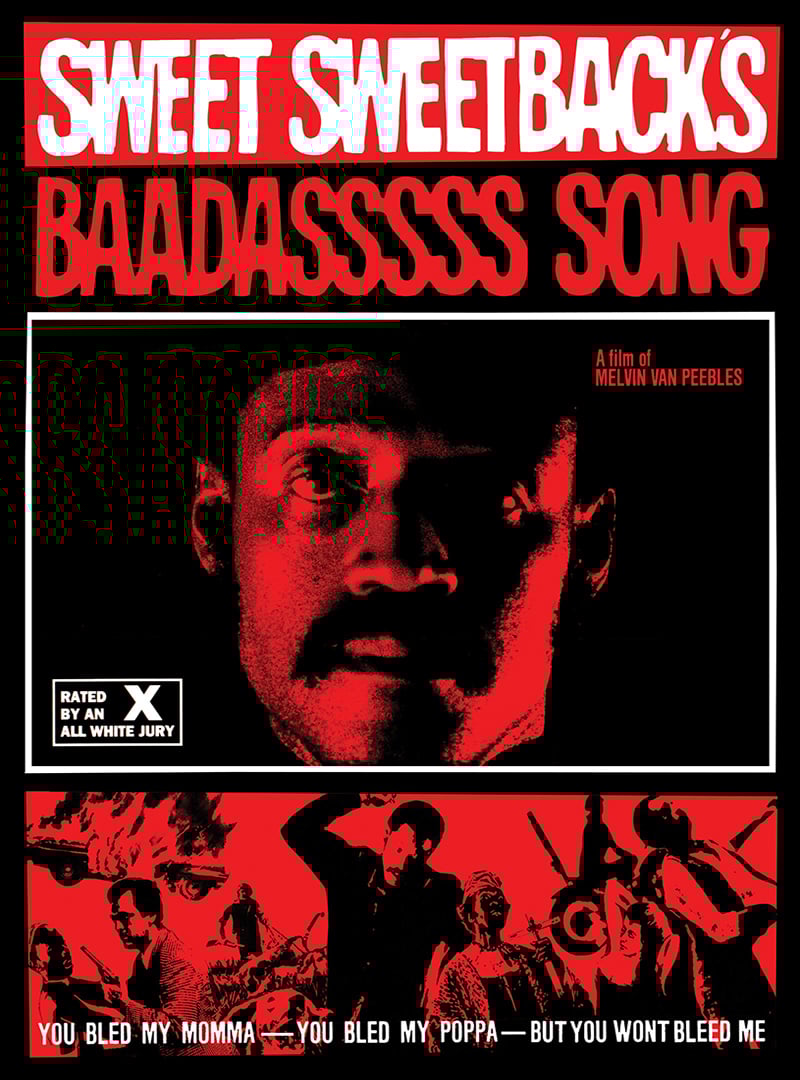
Sweet Sweetback's Baadasssss Song
The recurrent cycle Noir.e.s à la caméra allows us to discover works directed or produced by African or Afrodescendant filmmakers throughout the history of cinema.
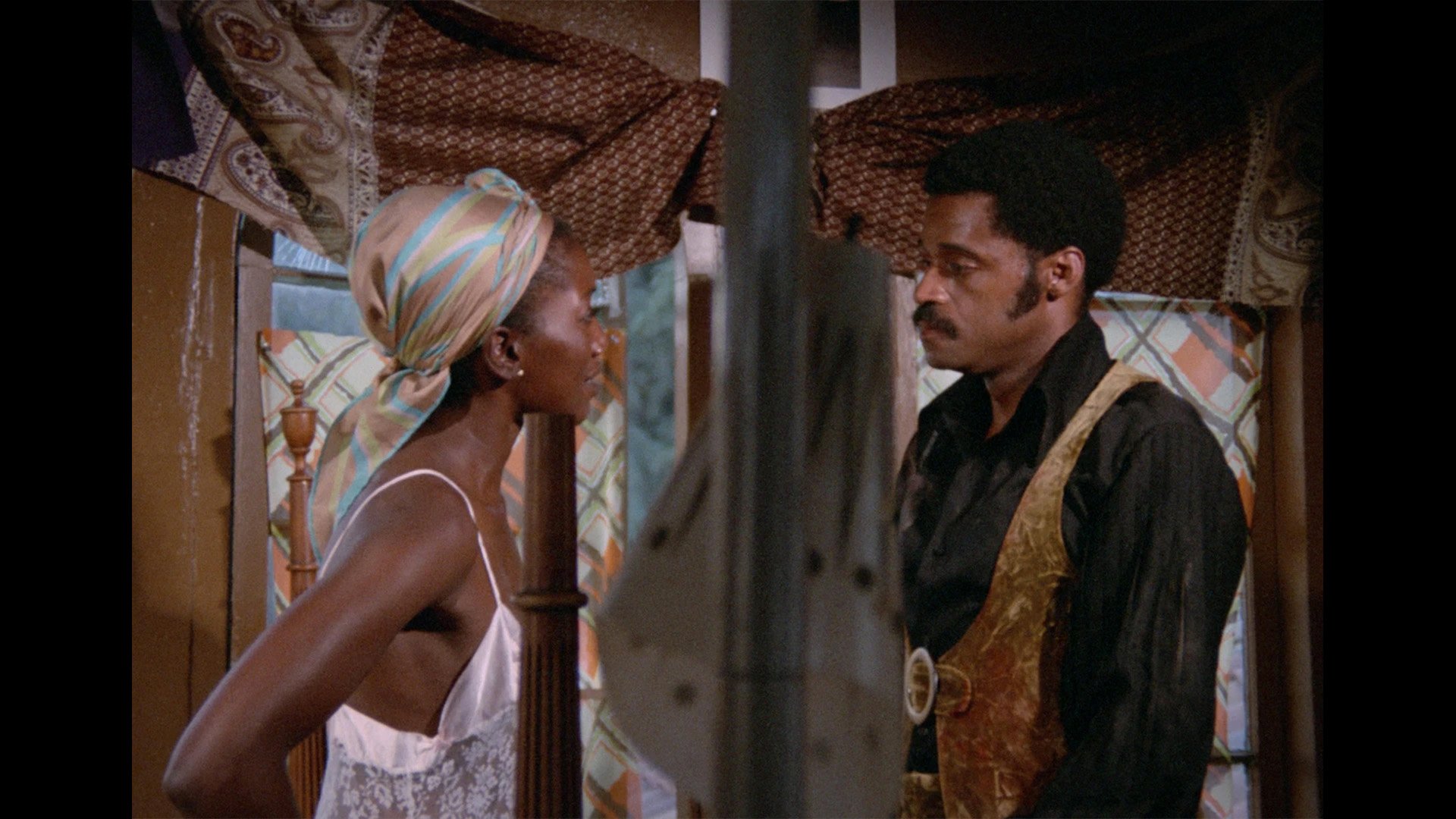
In the 1940s, an African-American orphan is taken in by the owners of a brothel. He becomes "Sweet Sweetback".
Melvin Van Peebles
Melvin Van Peebles was an American actor, filmmaker, writer, and composer. His feature film debut, The Story of a Three-Day Pass (1967), was based on his own French-language novel La permission and was shot in France, as it was difficult for a black American director to get work at the time. The film won an award at the San Francisco International Film Festival which gained him the interest of Hollywood studios, leading to his American feature debut Watermelon Man in 1970. Eschewing further overtures from Hollywood, he used the successes he had so far to bankroll his work as an independent filmmaker. In 1971, he released his best-known work, creating and starring in the film Sweet Sweetback's Baadasssss Song, which led to the creation of the blaxploitation genre, although critic Roger Ebert did not consider this example of Van Peebles' work to be an exploitation film. He followed this up with the musical, Don't Play Us Cheap, based on his own stage play, and continued to make films, write novels and stage plays in English and in French through the next several decades; his final films include the French-language film Le conte du ventre plein (2000) and the absurdist film Confessionsofa Ex-Doofus-ItchyFooted Mutha (2008). His son, filmmaker and actor Mario Van Peebles, appeared in several of his works and portrayed him in the 2003 biographical film Baadasssss!.

Explore
Melvin Van Peebles and the Uncanny Score for Sweet Sweetback's Baadasssss Song
In 1971, Hollywood had hit a crossroads. Television was the medium of the moment, while public taste for musicals was at an all-time low, and America's film industry was on the verge of bankruptcy. That summer, MGM—the same studio that brought a warm and fuzzy romanticism to the race relations of the Antebellum South in 1939's Gone With the Wind—released a movie about a Black P.I. hired by a Harlem mobster, created on a shoestring budget of $500,000 and starring Richard Roundtree in the lead role, who up to that point had mostly played in commercials. Shaft turned over $13 million, turning around MGM's fortunes and inspiring the massive wave of Blaxploitation movies that would characterize the early '70s and change the face of American cinema. It remains one of the genre's figureheads, spinning out into a five-film franchise. The progression of Shaft reads something like a case study in the co-option of radical ideas by commercial interests, the films brought rapidly into the ideological mainstream at the same time as their production values skyrocketed...