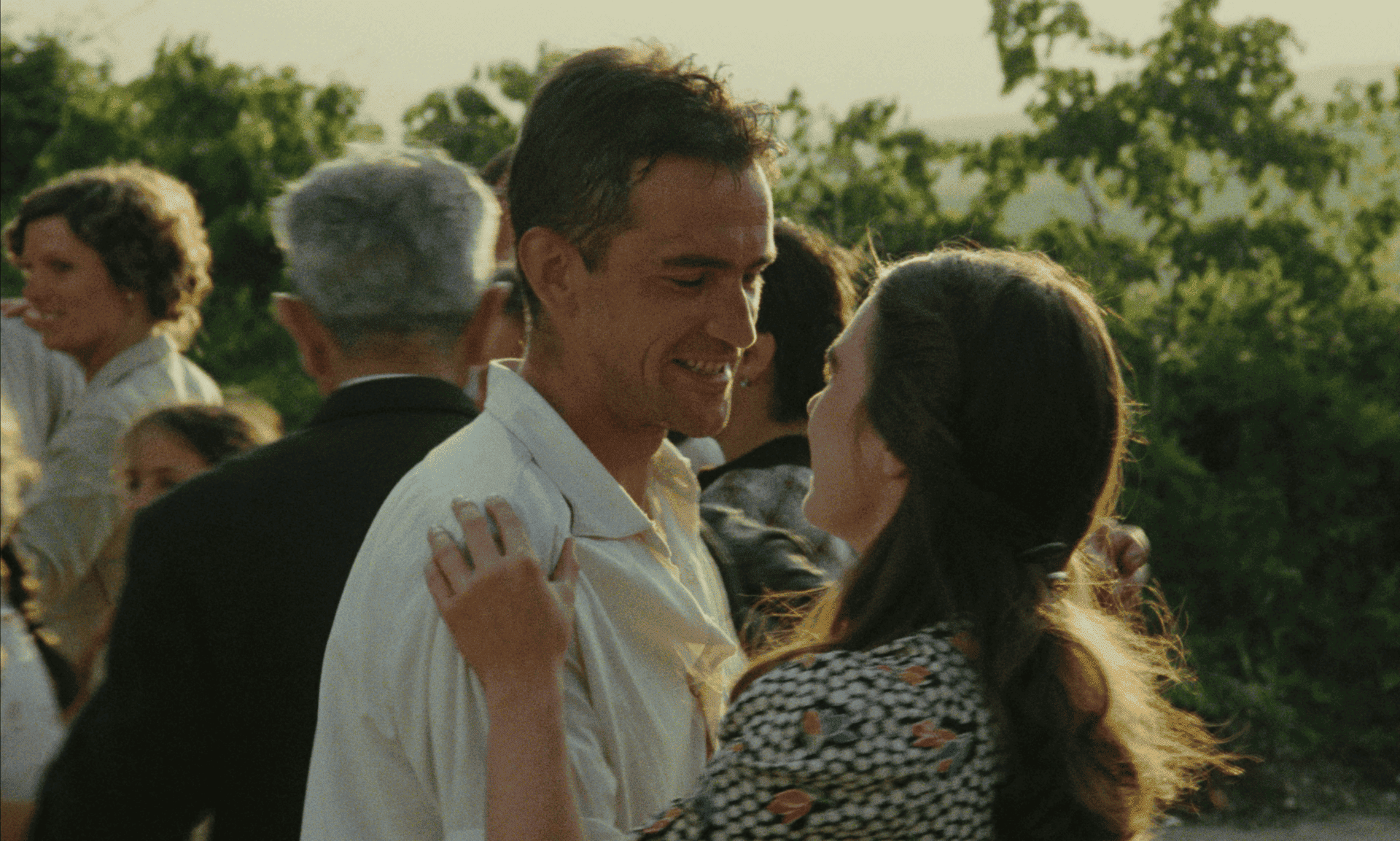
We are pleased to welcome the director of a major European film archive, the Basque Film Archive, based in San Sebastián. Joxean Fernández has put together a program of films recently restored by the archive that highlight the uniqueness of Basque cinema within the global film landscape. For this truly exceptional event, we will also welcome the esteemed filmmaker Montxo Armendáriz, a multiple Goya Award winner and Academy Award nominee. He will engage with the audience, particularly during the screening of his film Tasio, whose newly restored version is making its Canadian premiere following a special screening at the Cannes Film Festival.
Preceded by short film Charbonniers de Navarre
In the presence of filmmaker Montxo Armendáriz
Canadian Premiere of the restored version
In 1980, Montxo Armendáriz filmed, in the mountains of Navarre, an ensemble portrait of the last charcoal burners still producing charcoal. With a minimal budget, a crew of four, and meticulous editing—both in image and sound—Armendáriz discovered and documented a subject that would later serve as the basis for a fictional film he would make a few years later: Tasio.
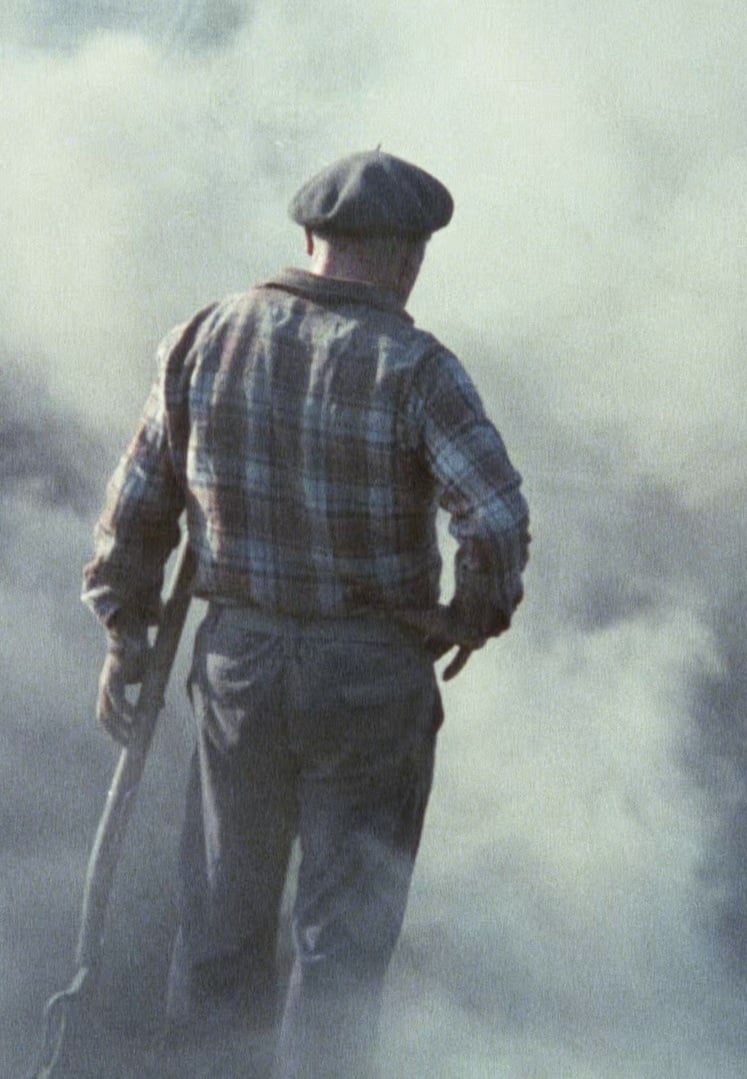
Tasio has been working as a charcoal burner in a small village in Navarre since he was 14. Life changes, but the mountain remains the same: steep and majestic. It is the place where he played as a child and also the place that allows him to provide for his family. Although this was a time of rural exodus, of migration to the cities in search of a better future, Tasio chose to stay and live in complete solitude in the mountains in order to preserve his freedom.
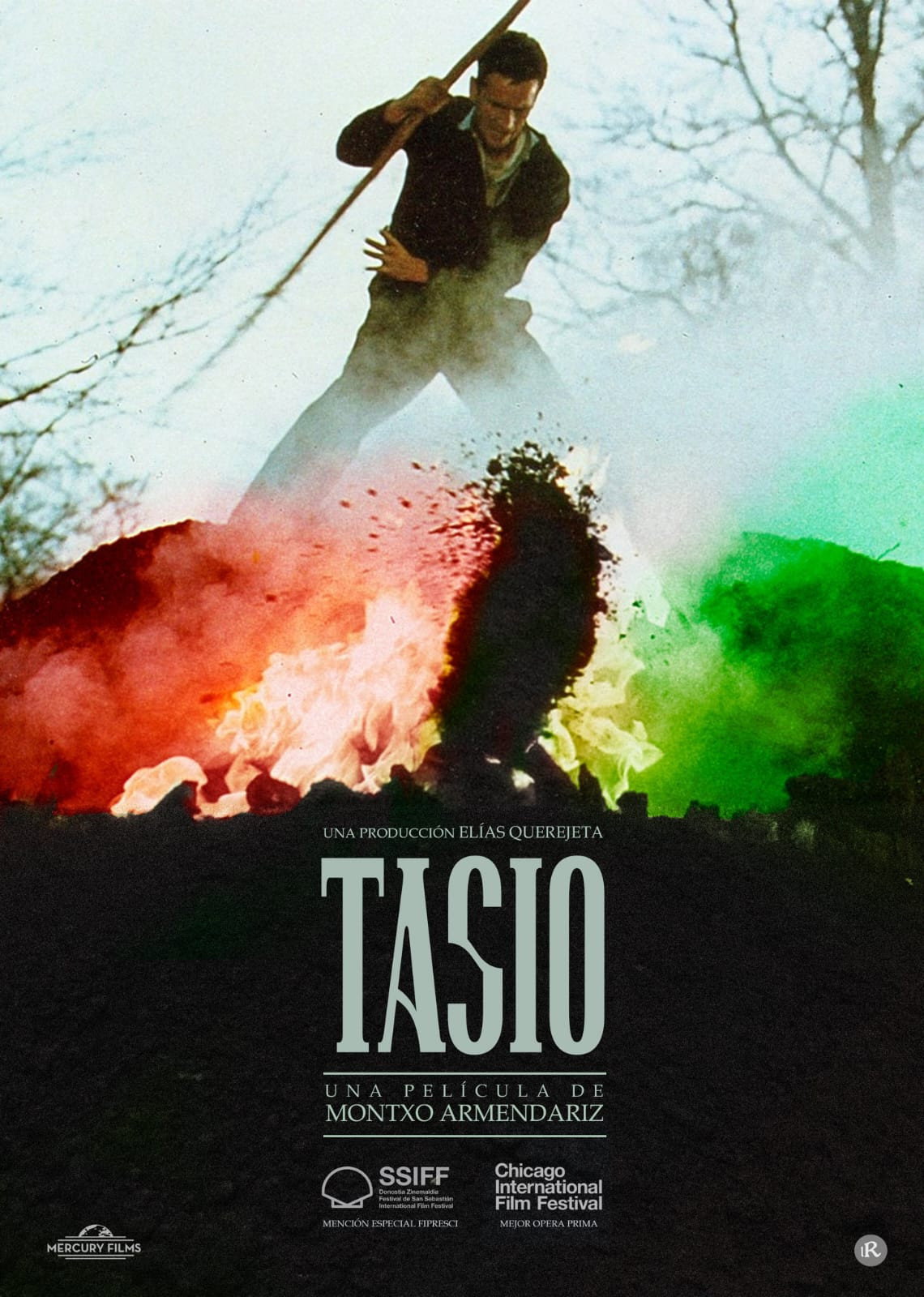
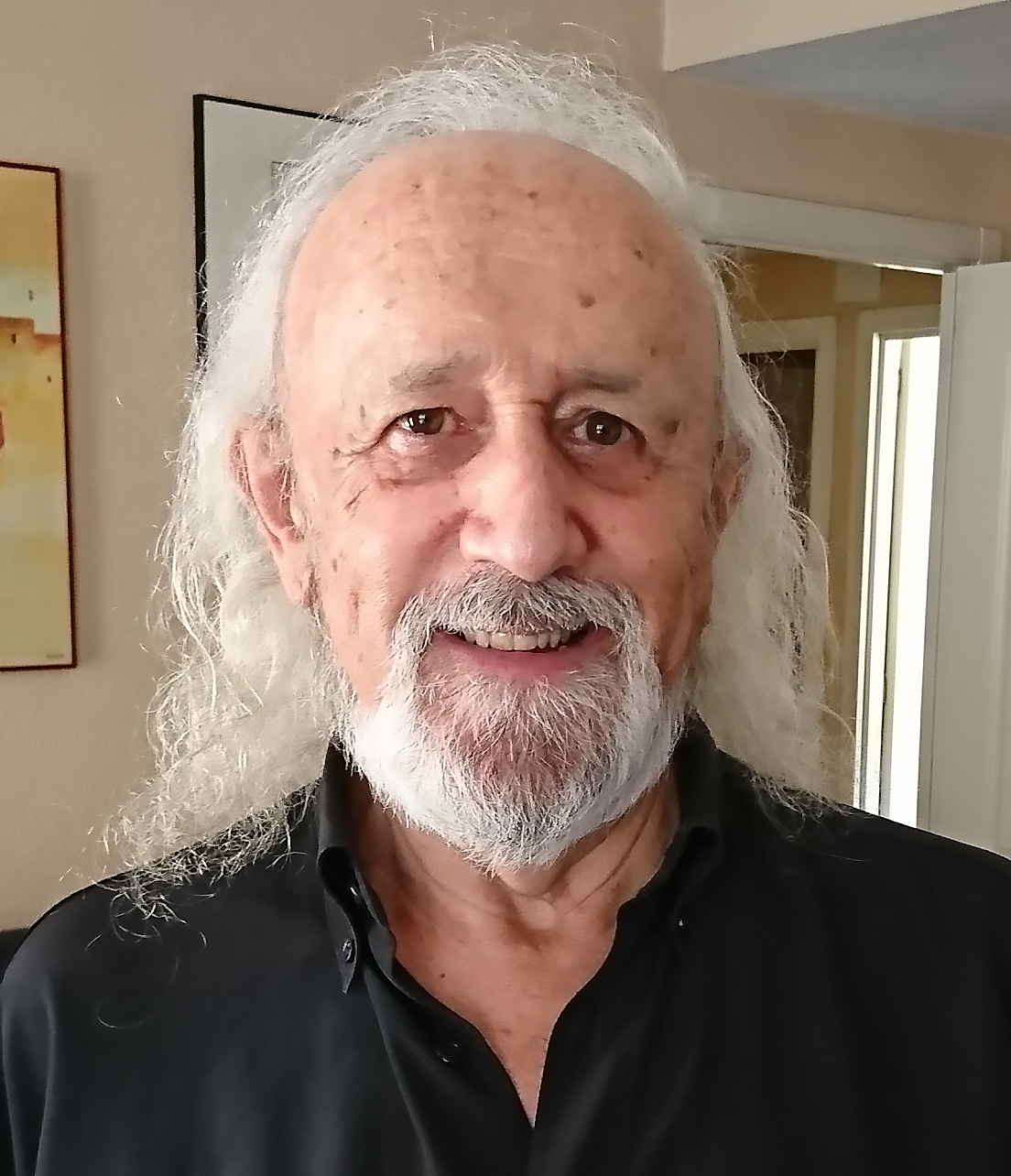
Montxo Armendáriz
Montxo Armendáriz is a filmmaker born in Olleta, Navarra. Tasio (1984), his feature film debut, traces the generational history of a charcoal burner, in a visual style that approximates ethnographic cinema. Its realism demanded a three months shoot that involved the actors living and working in primitive conditions. Two year later, he made his second film 27 Hours (1986) which won the Silver Shell at the San Sebastián International Film Festival. In 1990, he returned to the ethnographic style of his first film with Letters from Alou (1990), which won the Golden Shell for Best Film in San Sebastián. He then reached wide popular success with Stories from the Kronen (1995), an adaptation of the novel by José Angel Mañas. The film became emblematic of the Spanish young generation of the 1990s. Armendáriz subsequent film became his best regarded artistic success * Secrets of the Heart* (1997). The film reflected the director's own nostalgic views of his childhood in the Navarrese countryside, portraying with sensibility the growing up of the child. In 1999, he founded his own production company, and directed four films in the 2000s: Broken Silence (2001), Moving Stage (2004), Obaba (2005), and Don't Be Afraid (2011).
Explore
Presented in collaboration with