The Texas Chain Saw Massacre
Cinema is a screen onto which we can project our fears, torments and the monstrosities of the world. The screen protects us from what we see, but cinema has also permanently anchored our nightmares around a few powerful images (empty houses, hostile attics and basements, demonic masks, bloodcurdling grimaces, disturbing postures). Throughout the summer, the Cinémathèque québécoise will be presenting a series of films encompassing more than one hundred and twenty years of horror, reminding us that what scares us most is to make the deepest of our fears tangible and credible.
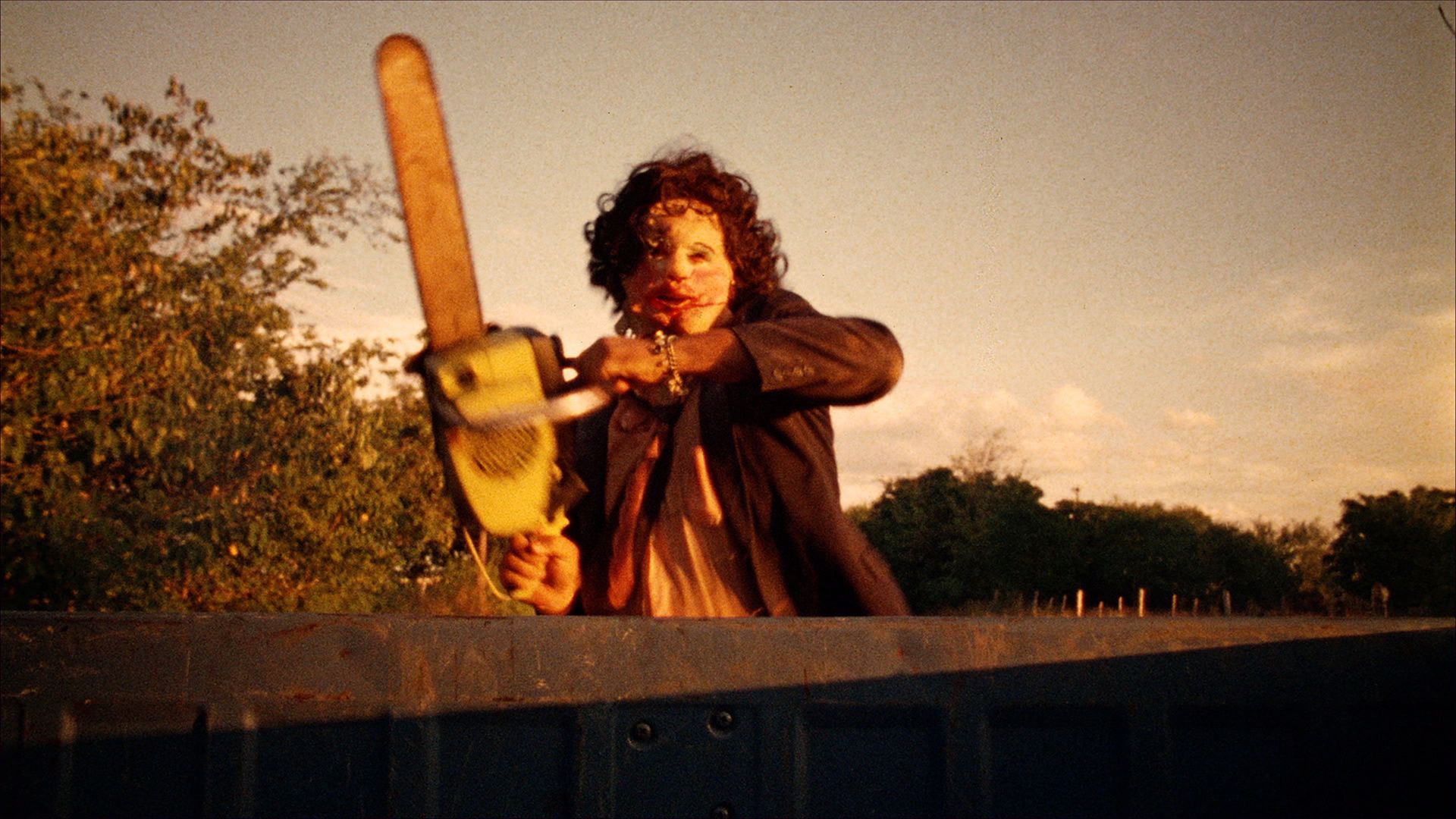
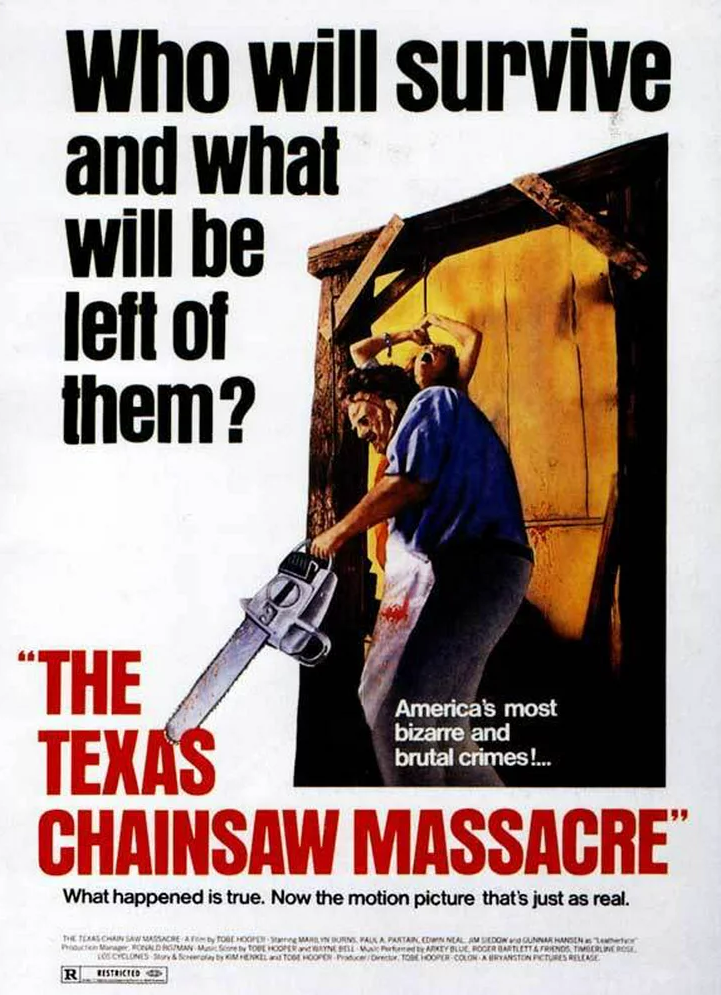
40 years ago, five youths on a weekend getaway in the Texas countryside fell prey to a butcher in a mask made of human skin and his cannibalistic family, and horror cinema would never be the same. Violent, confrontational, and shockingly realistic, director Tobe Hooper’s Texas Chain Saw Massacre terrified audiences in a way never thought possible when it was unleashed on a politically and socially tumultuous America in 1974. Facing a storm of controversy, censorship, and outcry throughout its troubled release, this masterpiece of horror has stood the test of time to become a landmark motion picture and cultural milestone. (MPI Media)
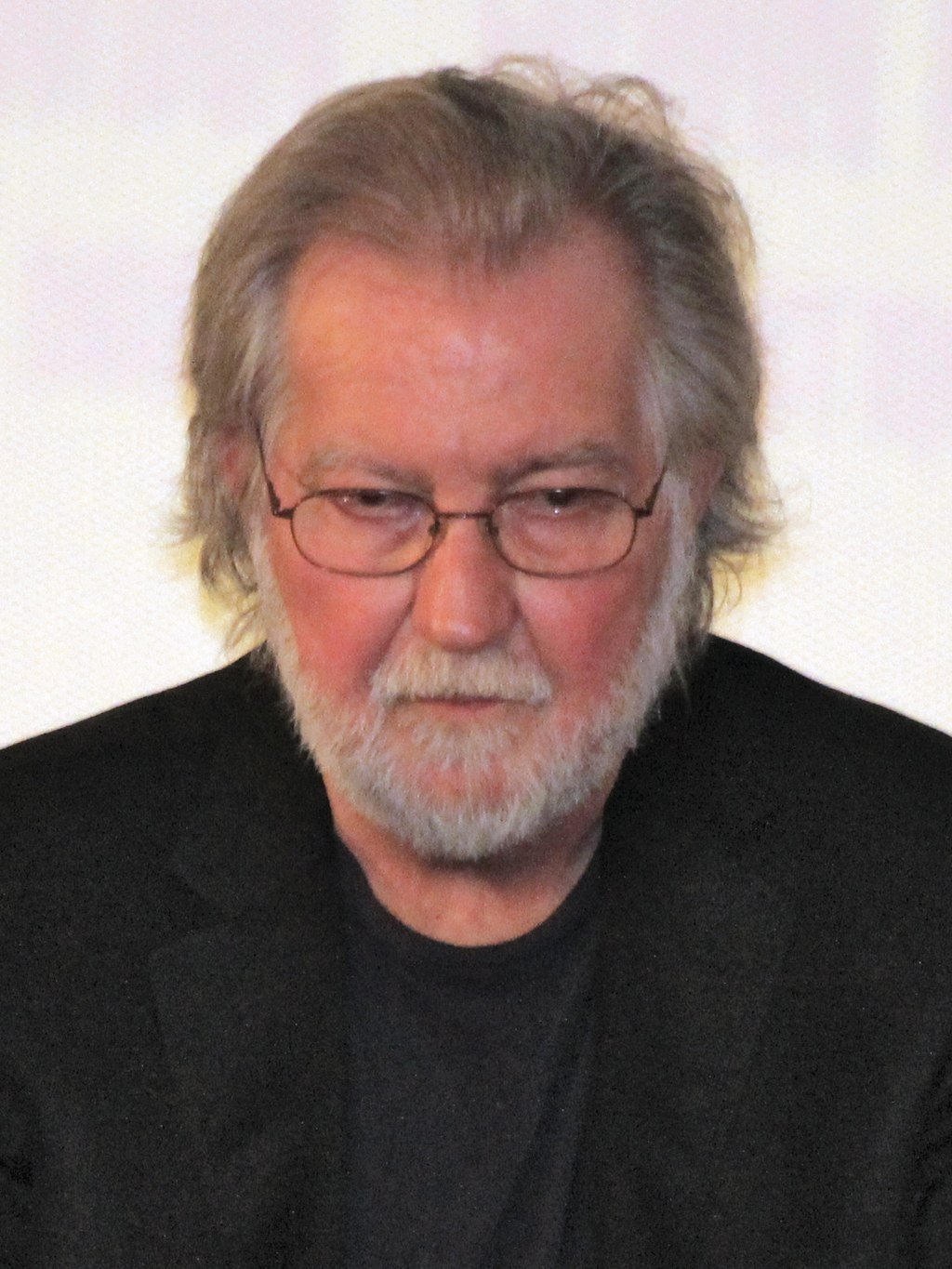
Tobe Hooper
Tobe Hooper was an American filmmaker, best known for his work in the horror genre. The British Film Institute cited Hooper as one of the most influential horror filmmakers of all time. Born in Austin, Texas, his feature film debut was the independent Eggshells (1969), which he co-wrote with Kim Henkel. The two reunited to co-write The Texas Chain Saw Massacre (1974), which Hooper also directed. The film went on to become a classic of the genre, and is often described as one of the most influential horror films ever made. He subsequently directed film Eaten Alive (1976), followed by the 1979 miniseries Salem's Lot, an adaptation of the novel by Stephen King. He then signed on to direct The Funhouse (1981), a major studio slasher film distributed by Universal Pictures. The following year, he directed the supernatural horror Poltergeist, produced by Steven Spielberg. In the mid-1980s, he directed two science fiction horror films: Lifeforce (1985) and Invaders from Mars (1986), followed by The Texas Chainsaw Massacre 2 (1986), a big-budget sequel to his original film. The following years saw Hooper directing various horror and sci-fi projects until 2013, when he made his final film.


.jpg)