The White Ribbon
Drawing primarily from our 35mm collection, we are presenting an exquisite spring bouquet of Palme d’or winners to coincide with the can’t-miss Cannes Film Festival.
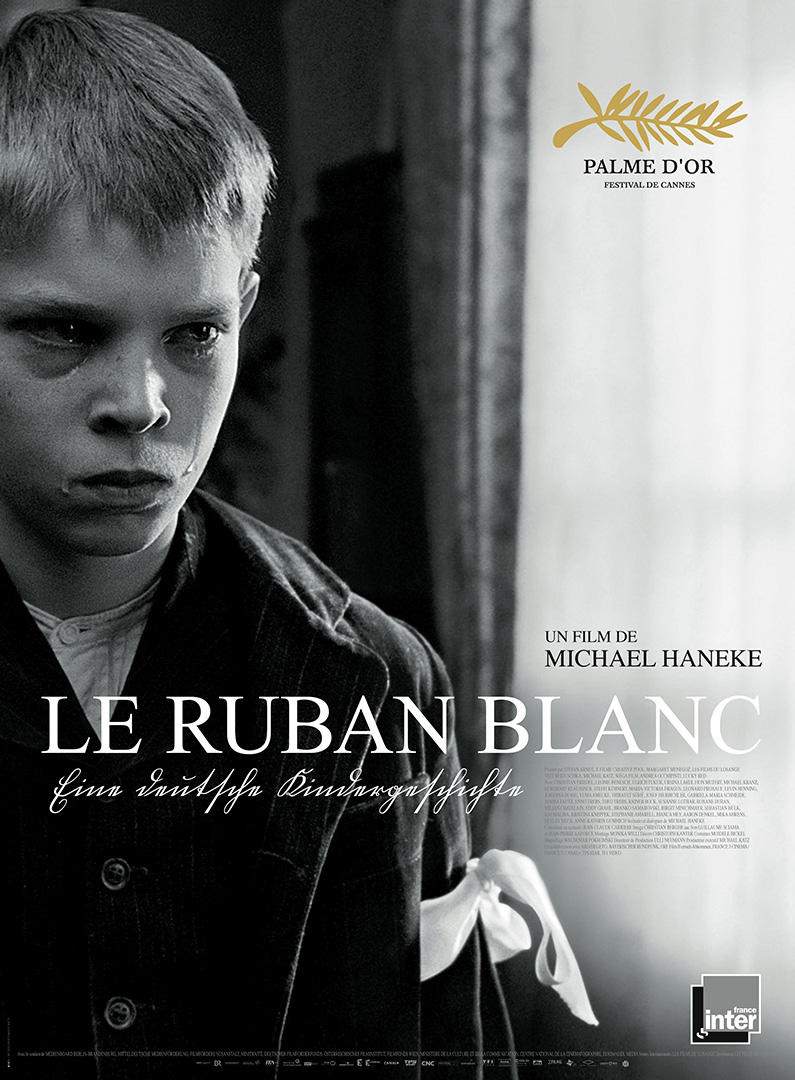
Winner of the Palme d'or and the FIPRESCI Prize, 2009 Cannes Film Festival
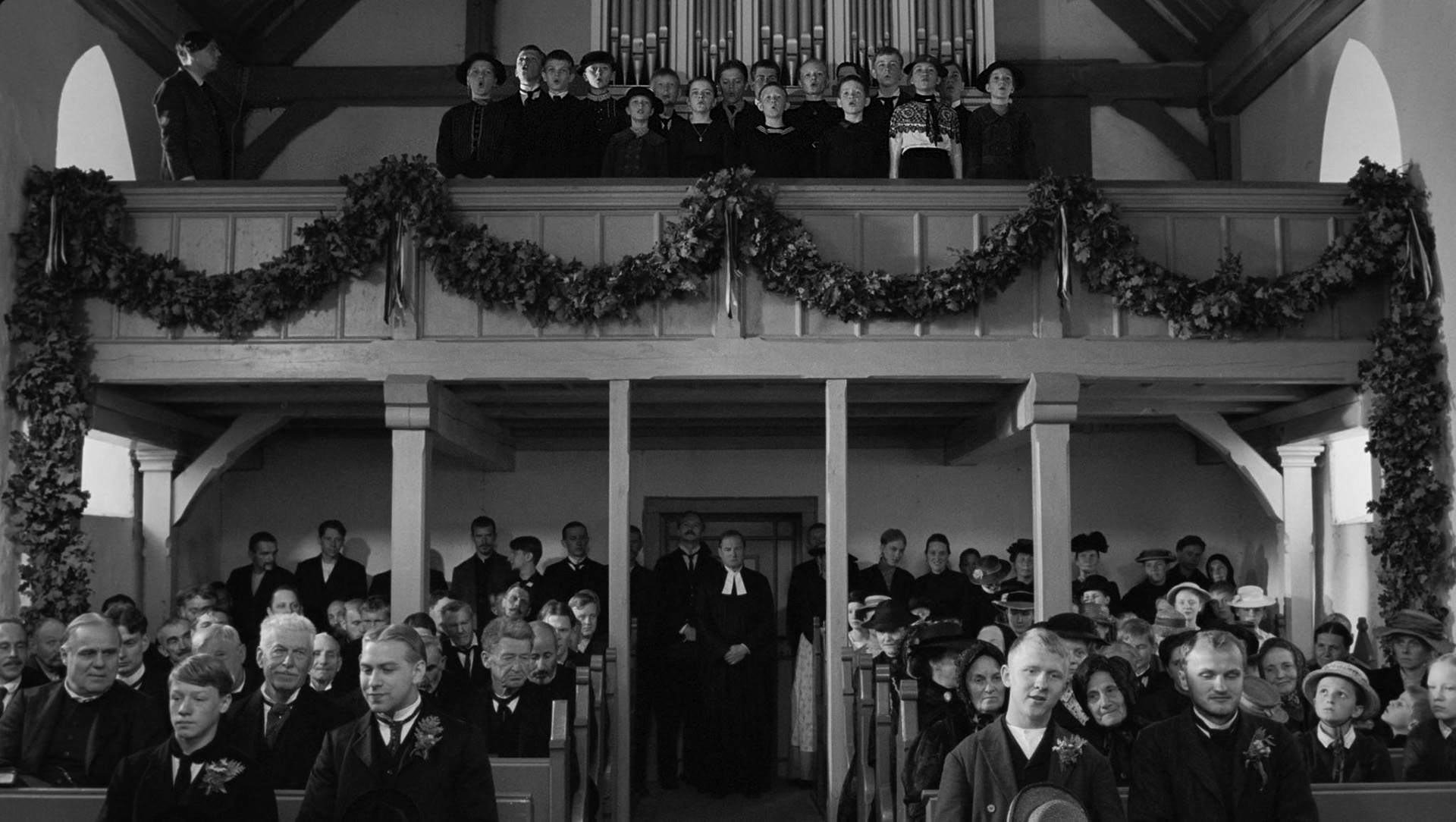
Set in a village in Protestant northern Germany in 1913–1914, this is the story of the children and teenagers in a choir led by the village schoolteacher, as well as that of their families: the baron, the steward, the pastor, the doctor, the midwife, and the farmers. Strange incidents occur and gradually begin to take on the form of a punitive ritual. Who is behind all this?
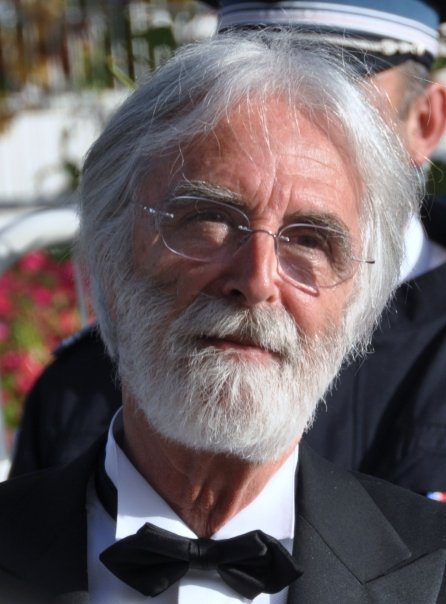
Michael Haneke
Michael Haneke is an Austrian film director and screenwriter. After working in theater and television, Michael Haneke made a name for himself as a filmmaker in the 1990s. His productions explore a genealogy of ordinary evil in our societies, whether through television culture (Benny's Video), racism and repressed history (Caché), incommunicability (Code Unknown), social/family pressure and sexual neurosis (The Piano Teacher), consumer society (The Seventh Continent), religious dogma (The White Ribbon), and old age and psychological and physical deterioration (Amour). Eleven of Haneke's feature films were selected for the Cannes Film Festival, first for the Directors' Fortnight, then, starting with Funny Games, in competition. At Cannes, Haneke has won numerous awards: the Grand Prix, the Best Director Award, and the Palme d'or twice, for The White Ribbon (2009) and Amour (2012). He is one of only ten directors to win the Palme d'or twice.