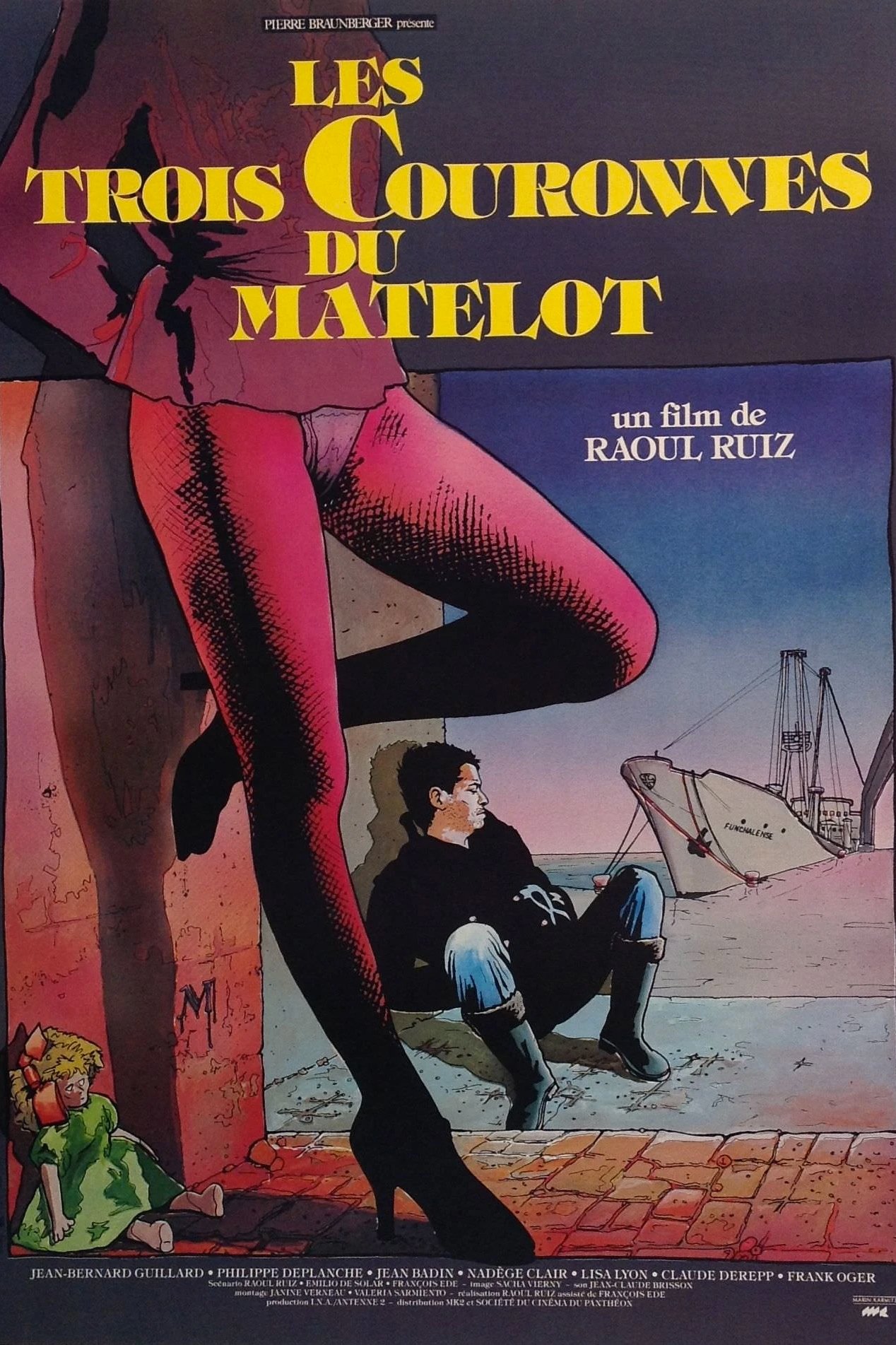
Three Crowns of the Sailor
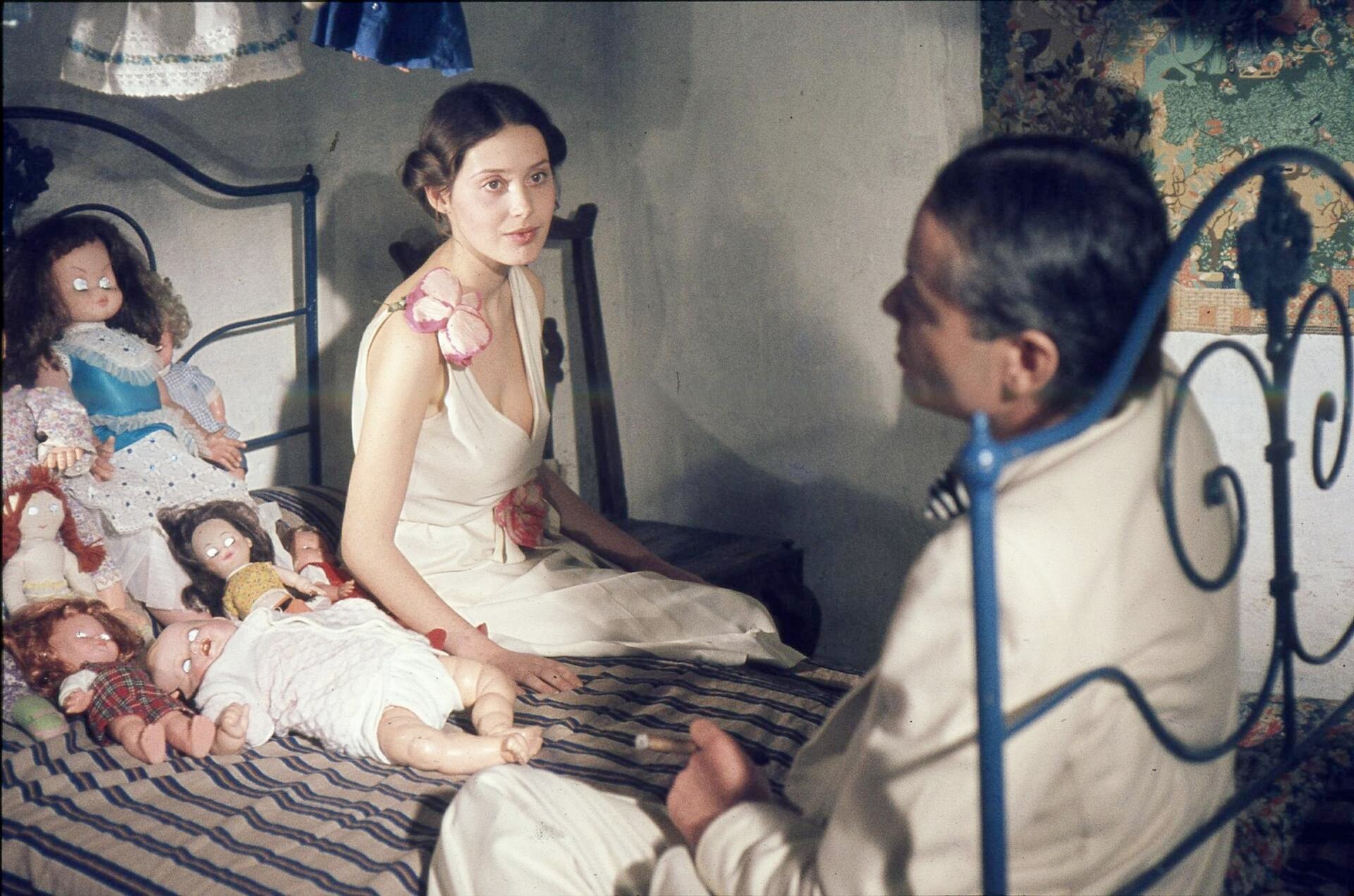
Giants, fairies, magicians, ghosts, dragons, and monsters of all kinds… Here’s what your Cinémathèque has in store this summer! Since Méliès, filmmakers have embraced the fanstastic potential of cinema, creating infinite phantasmagorias and extraordinary spectacles where the unreal becomes real. Step into a world of fantasy and boundless imagination: whatever your generation, the monsters and wonders that once filled your childhood dreams are back this summer 2025!
The most famous film by the prolific Raúl Ruiz is a spellbinding surrealist tale, carried by the exceptional work of the brilliant cinematographer Sacha Vierny (Hiroshima mon amour; Last Year at Marienbad; The Cook, the Thief, His Wife and Her Lover). In a mysterious port, a drunken sailor recounts his strange adventures to a student in exchange for three crowns.
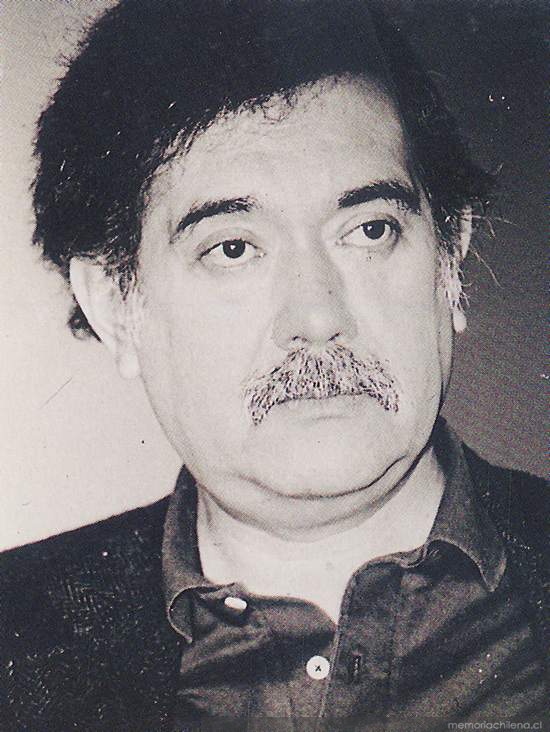
Raúl Ruiz
Raúl Ruiz is a Franco-Chilean filmmaker, screenwriter, actor, and director. His films have frequently been awarded and selected at various festivals. He is part of a politically engaged generation of Chilean directors, alongside Miguel Littin, Helvio Soto, and Patricio Guzmán. Following the September 11, 1973 coup d'état in Chile, he went into exile in France, eventually acquiring French citizenship. In 1977, he directed The Suspended Vocation, marking the beginning of a fruitful collaboration with the Institut national de l'audiovisuel (INA). A permanent group formed around the filmmaker, making him a central figure in the creation and research programs department, where he directed nearly 25 films – including The Hypothesis of the Stolen Painting (1978) and Three Crowns of the Sailor (1983). Described by Ruiz as his "first space of freedom," INA allowed him to develop his interest in visual experimentation. He created a diverse and prolific body of work, often described as baroque, spanning multiple countries, formats, and languages, and blending cultures. Balancing auteur cinema with experimental approaches, Raúl Ruiz also contributed to film theory through his two-volume Poetics of Cinema.