A Commonplace Story
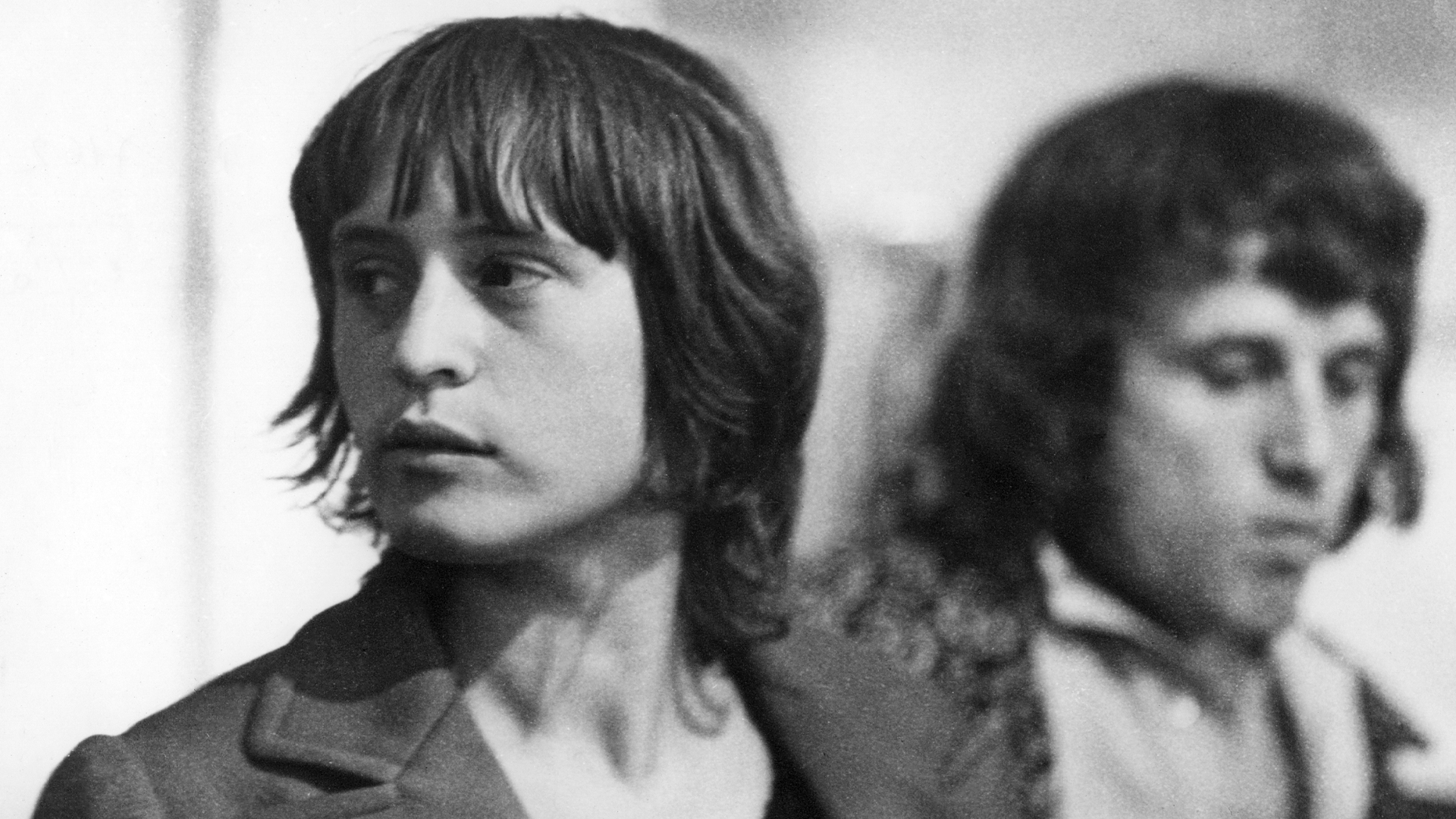
Hungarian filmmaker Judit Elek’s youth was profoundly shaped by the events of the 20th Century (childhood in a ghetto during the Holocaust, the Budapest uprising of 1956, and later, the events of 1968). This intimate connection to History is inseparable from the cinema she created. Drawing from pioneering direct cinema techniques in the early part of her career, she never ceased – even in her fictional work – to confront reality head-on, while imbuing it with a poetic dimension and asserting her freedom of vision. Tirelessly questioning social tensions and historical traumas, her films demonstrate a unique attention to the complexity of human interactions and the solitary emotions of individuals.
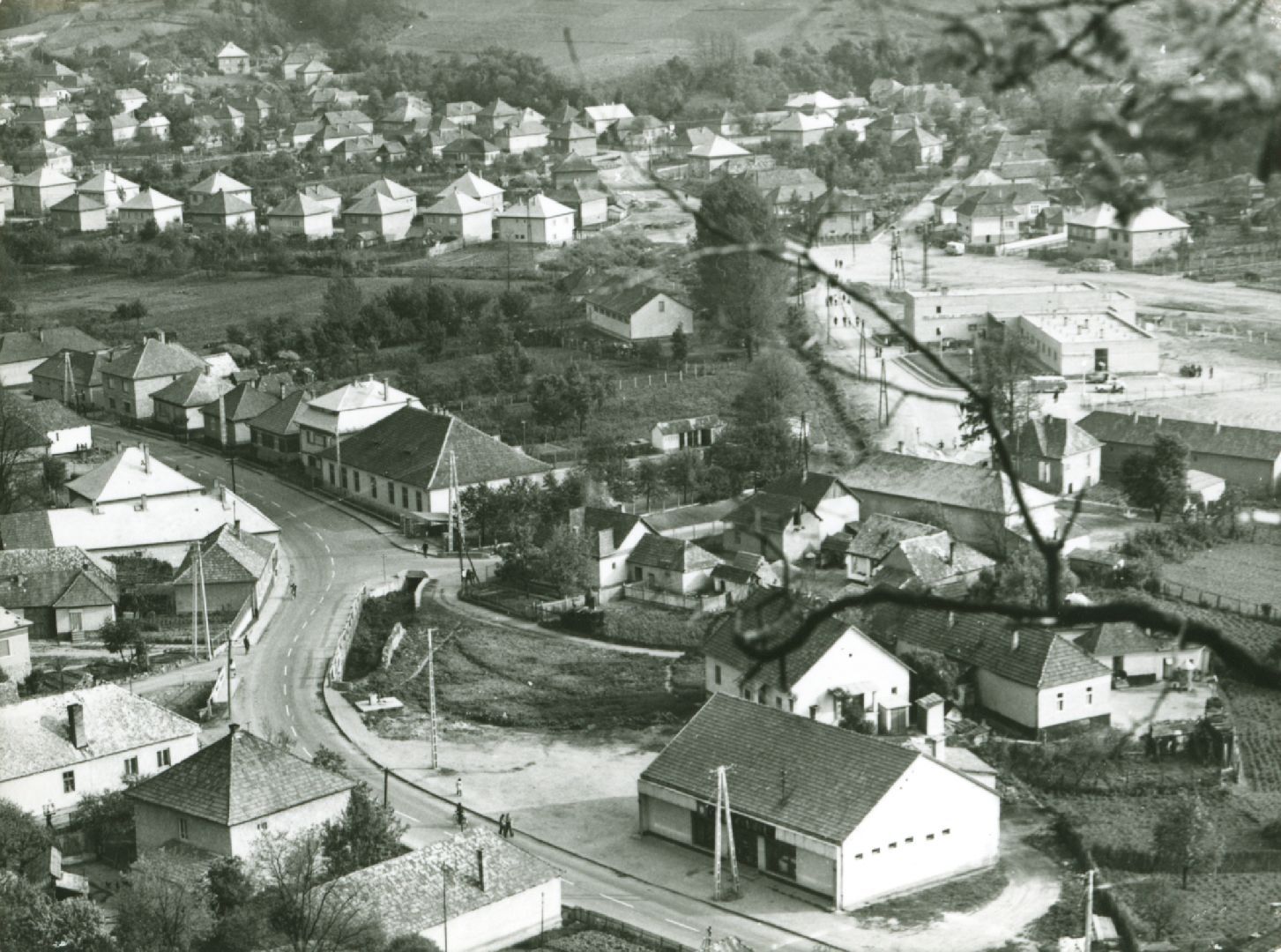
The initial frames of the film conjure up a rural idyll, yet profound social transformation, the gradual decline of a centuries-long stasis, also bear tension. Strong, autonomous women struggle against their exclusion in an ultralocalized world traditionally dominated by men. However, this unfolds not through spectacular dramaturgy but merely with a patient observation of the everyday. We observe ‘only’ the commonplaces of life – human relationships, rebellion and acceptance, the closed life of a small community lacking all perspective and the internal relations of two of its families – in this uncontrived, sociographical documentary. (NFI Hungary)
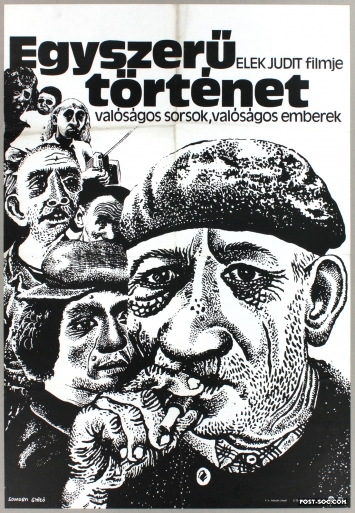
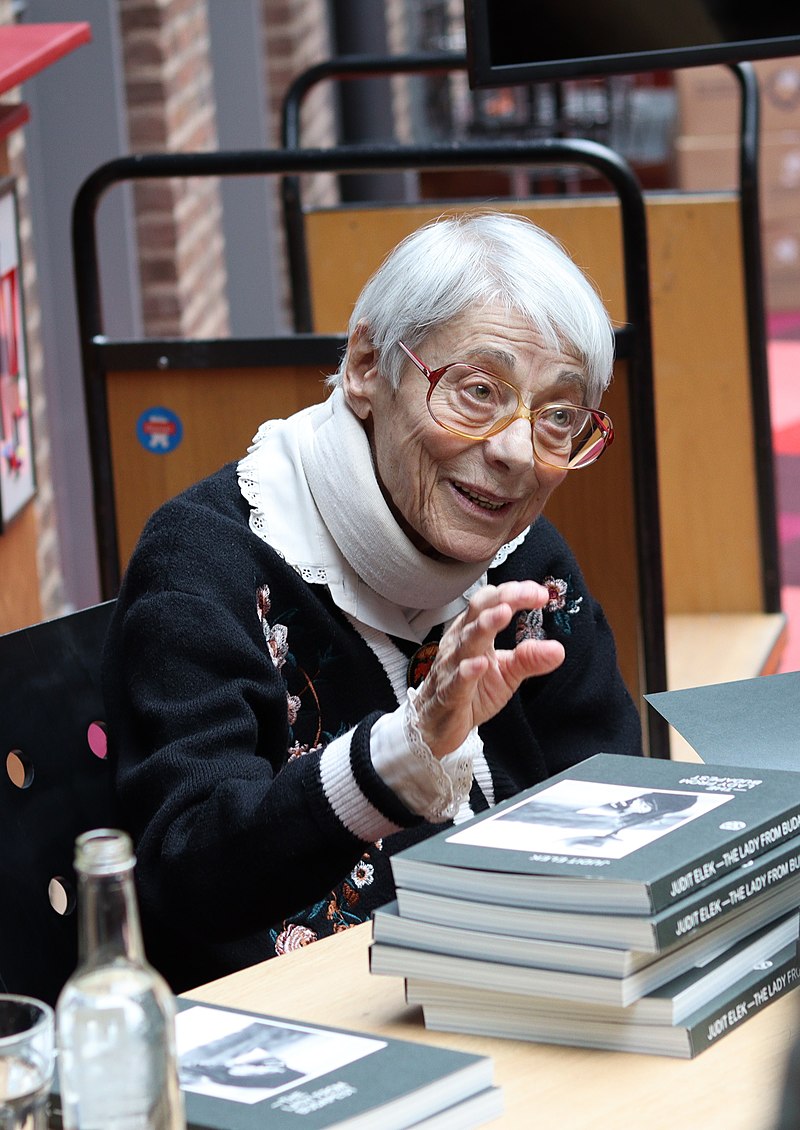
Judit Elek
Born in Budapest in 1937, Judit Elek is a Hungarian film director and screenwriter. A graduate of the University of Theatre and Film Arts in Budapest, she emerged as one of the most important pioneers of cinéma direct, a documentary-inspired approach that she first experimented with at the Béla Balázs Studio, then at Istenmezeje. Her first experience with cinéma direct came in 1963 with Encounter (Találkozás). In her early work, she saw direct cinema “as a specific mode of expression, capable of grasping the true nature of people and things with a depth that traditional cinema in Hungary, then in the midst of transformation, could not achieve.” Her first feature film, The Lady from Constantinople (Sziget a szárazföldön), was released in 1969. It portrays a lonely old woman forced to give up her apartment, which has become too expensive. After A Commonplace Story (Egyszerű történet) in 1975, she abandoned cinéma direct, feeling she had exhausted its potential—but above all, out of ethical concerns, fearing that the camera’s intrusion into people’s lives could ultimately become dangerous. In 1984, she directed Maria’s Day (Mária-nap), a vibrant exploration of one of the most significant figures in Hungarian history, poet and patriot Sándor Petőfi. The film was selected for the Un Certain Regard section of the Cannes Film Festival. In 2024, the Cinémathèque française dedicated a retrospective to her work.
Explore
Judit Elek, les fantômes et les éveillés
À partir des années 1960, Judit Elek a constitué une œuvre à la fois rigoureuse et délicate, qui s’est imposée comme l’une des plus remarquables du cinéma hongrois de son temps (aux côtés de Szabó, Jancsó ou Mészáros), et que les restaurations récentes de l’Institut national du film de Hongrie permettent de redécouvrir dans les meilleures dispositions possibles.
Presented in collaboration with


.jpg)