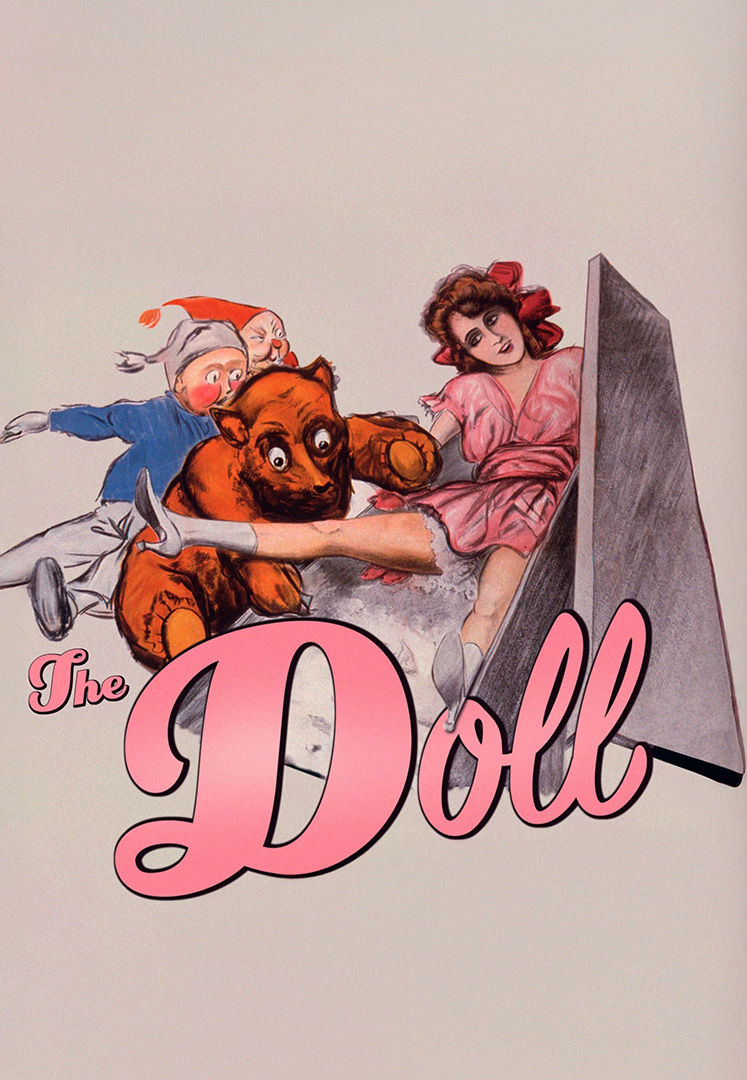
The Doll
What better time than the holiday season to dive into the wonderful world of toys? Cinema has always loved to use its magic to fulfill an eternal childhood dream: seeing toys come to life. Naturally showcasing animated films, this series takes us at the frontiers of imagination, fantasy, and dreams through movies where toys are very well alive, albeit in different ways. By turns strange, amusing, wonderful, or unsettling, these toy stories inevitably lead us to reflect on our own humanity, while always managing to strike a chord deep within us.
Accompanied on the piano by Gabriel Thibaudeau
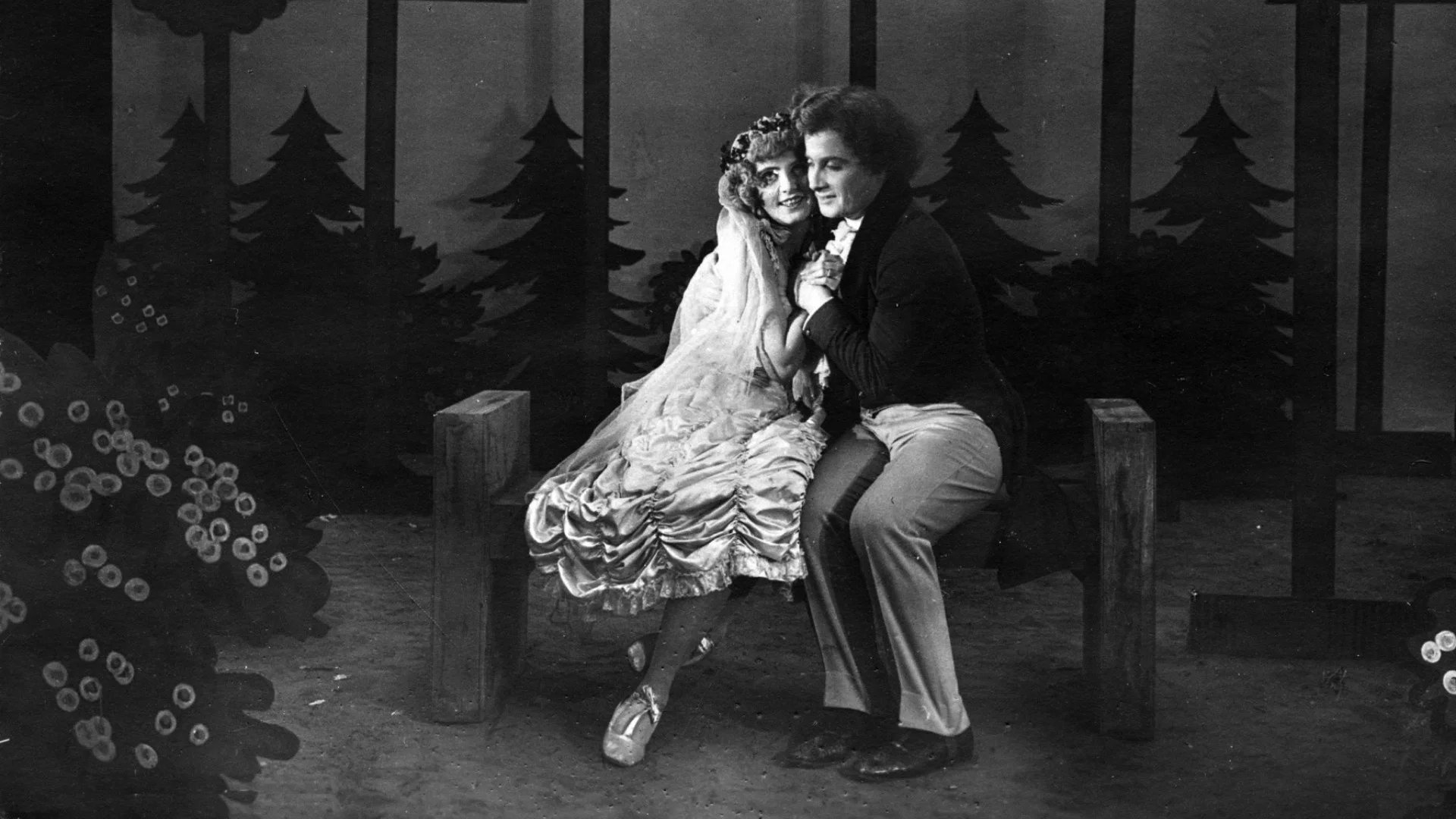
Lancelot is promised a generous dowry by his uncle, who urges him to get married. He takes refuge in a monastery, where the monks suggest—as a way to escape his uncle’s pressure—that he enters into a sham marriage with a mechanical doll.
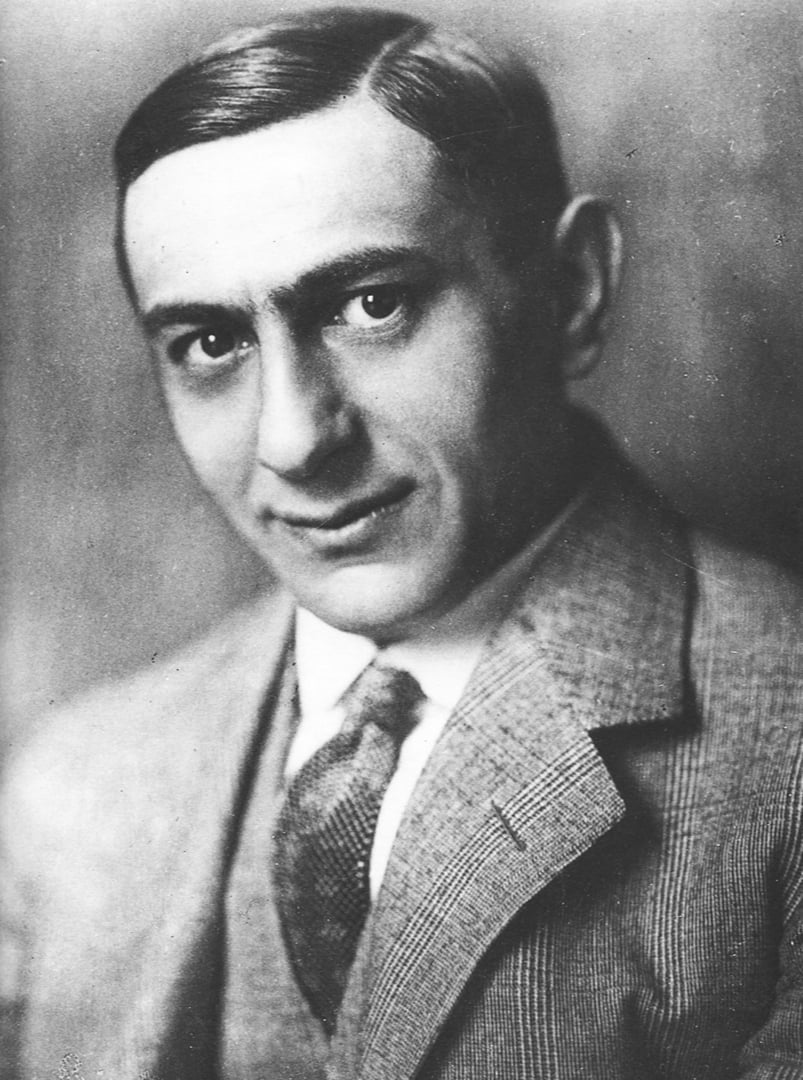
Ernst Lubitsch
Ernst Lubitsch was a German-born American film director who began his career as an actor. A prolific director, he made over fifty films in thirty years and left a mark on cinema history with his comedies, including Design for Living (1933), Ninotchka (1939), The Shop Around the Corner (1940), To Be or Not to Be (1942), and Heaven Can Wait (1943). Renowned for his mastery of ellipsis, anticipation, and surprise, Lubitsch stood apart from the expressionism of German cinema and the conventions of silent films. The celebrated Lubitsch Touch is defined by its elegant emotional restraint, creating a unique cinematic style where nothing feels overstated. It reflects an art of living, shaping the interactions between characters, as well as between the film and its audience. It also embodies his Jewish humor, offering a graceful resistance to the absurdities of human foolishness.