Action: The October Crisis of 1970
In its latest issue, the film magazine 24 images dedicates a special feature to the theme of our symposium, Film Archives Beget Films, to be held on April 28-29. In conjunction with this editorial coverage, and just ahead of the symposium, we are presenting a program entirely focused on this theme; the re-use of archival film footage in films. While not aiming to be exhaustive, the program highlights the diversity of practices from an aesthetic and historical perspective.
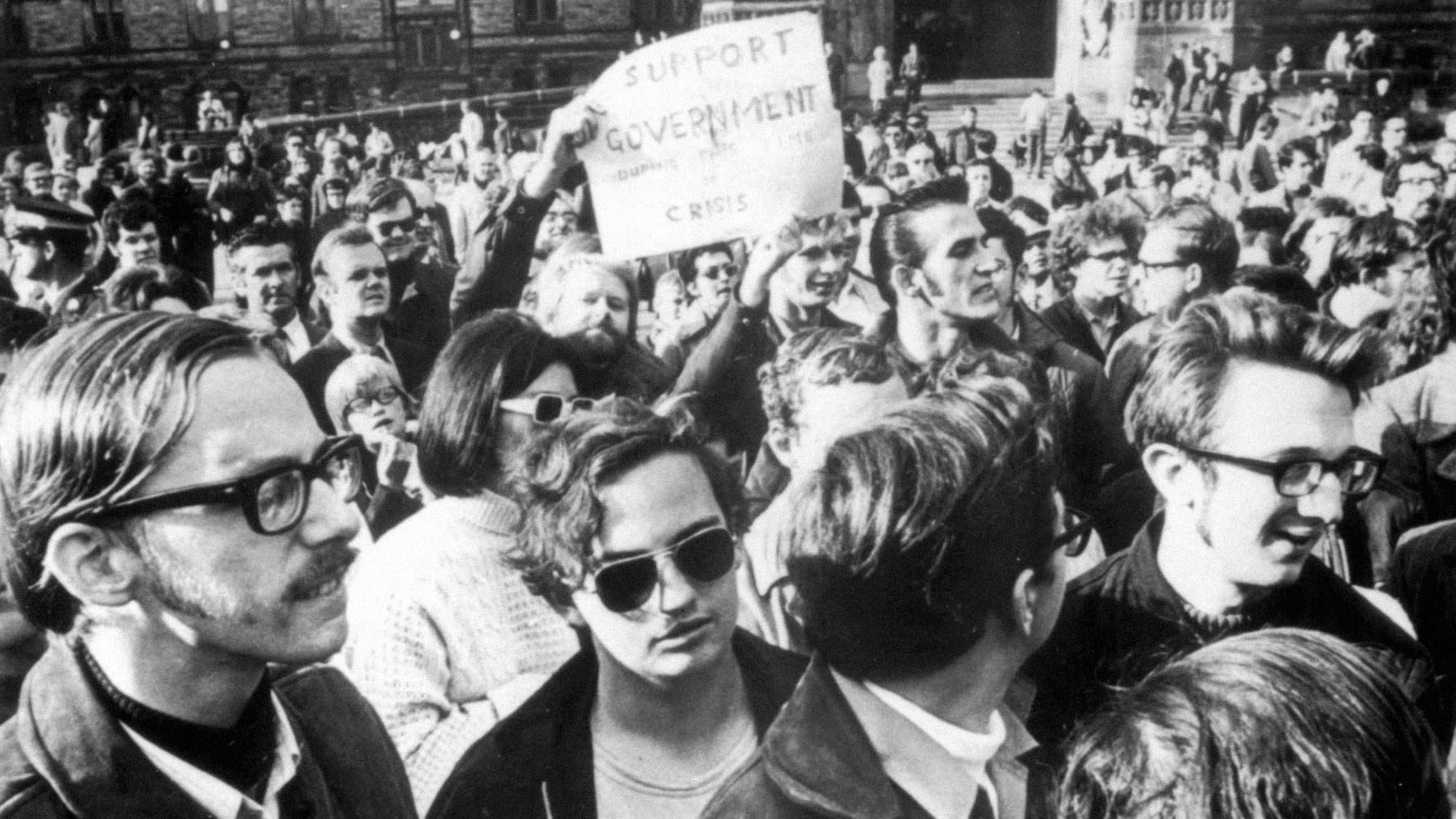
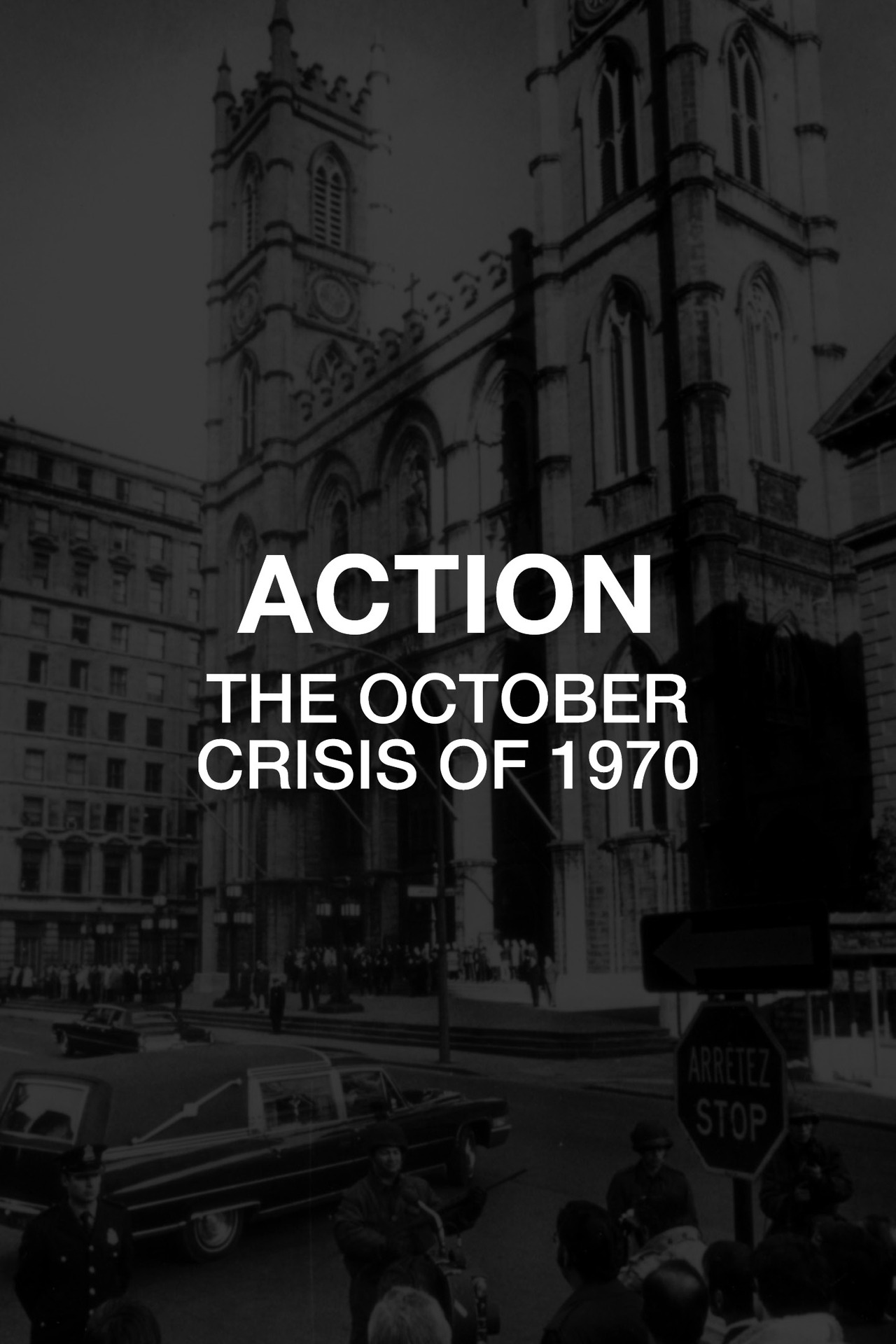
This feature-length documentary looks at those desperate days of October 1970 when Montreal awaited the outcome of FLQ terrorist acts. Using news reports and clips from the time, the film reflects upon the October Crisis and reveals the relief, dismay and defiance people felt when the Canadian army stepped in.
Robin Spry
Robin Spry is a Canadian film director, producer, and writer. After studies at Oxford University and the London School of Economics, he began his filmmaking career in 1964 at the National Film Board of Canada in Montreal. He built a reputation as a documentarian engaged with the issues of the day, with films on abortion, youth rebellion, and contemporary politics. His 1970 film Prologue, which won the BAFTA Award for Best Documentary, documented the riots at the 1968 Democratic National Convention in Chicago, weaving narrative with archival footage. He used a similar approach to tell the story of the kidnapping of British diplomat James Richard Cross and the murder of Pierre Laporte in Action: The October Crisis of 1970 (1974). While at the NFB, Spry acted as a producer, director, writer, cinematographer, film editor and actor, appearing in several colleagues' films, including Denys Arcand's Québec, Duplessis et après (1972), in which he read sections of the 1839 Durham Report. He also starred in the 1981 hostage film Kings and Desperate Men. In 1978, he left the NFB. He did some work for the CBC, then founded his own production company, Telescene Film Group Productions, through which he produced many TV movies and series, including the first two seasons of Big Wolf on Campus (1999-2000).