Arabian Nights
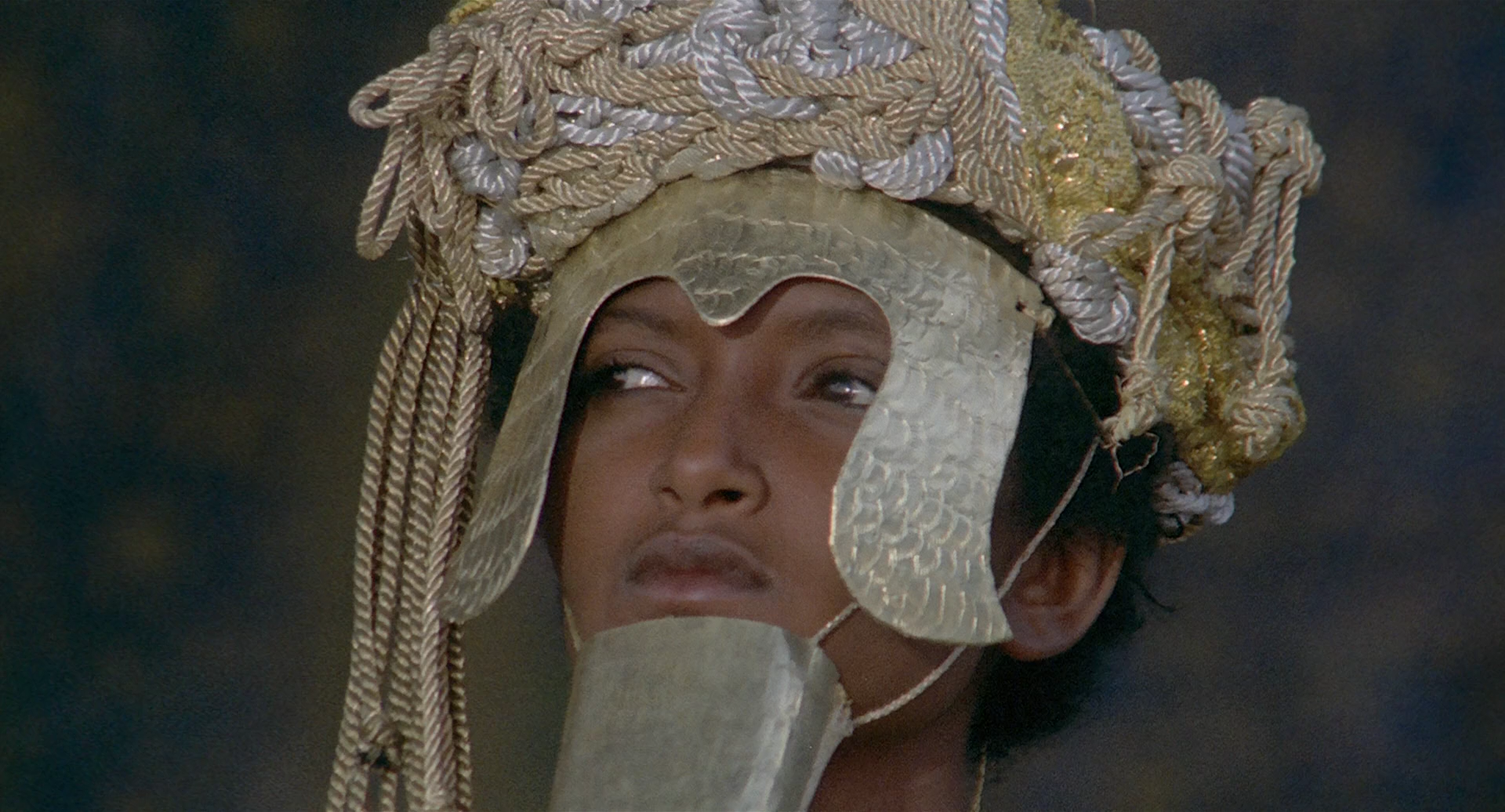
Giants, fairies, magicians, ghosts, dragons, and monsters of all kinds… Here’s what your Cinémathèque has in store this summer! Since Méliès, filmmakers have embraced the fanstastic potential of cinema, creating infinite phantasmagorias and extraordinary spectacles where the unreal becomes real. Step into a world of fantasy and boundless imagination: whatever your generation, the monsters and wonders that once filled your childhood dreams are back this summer 2025!
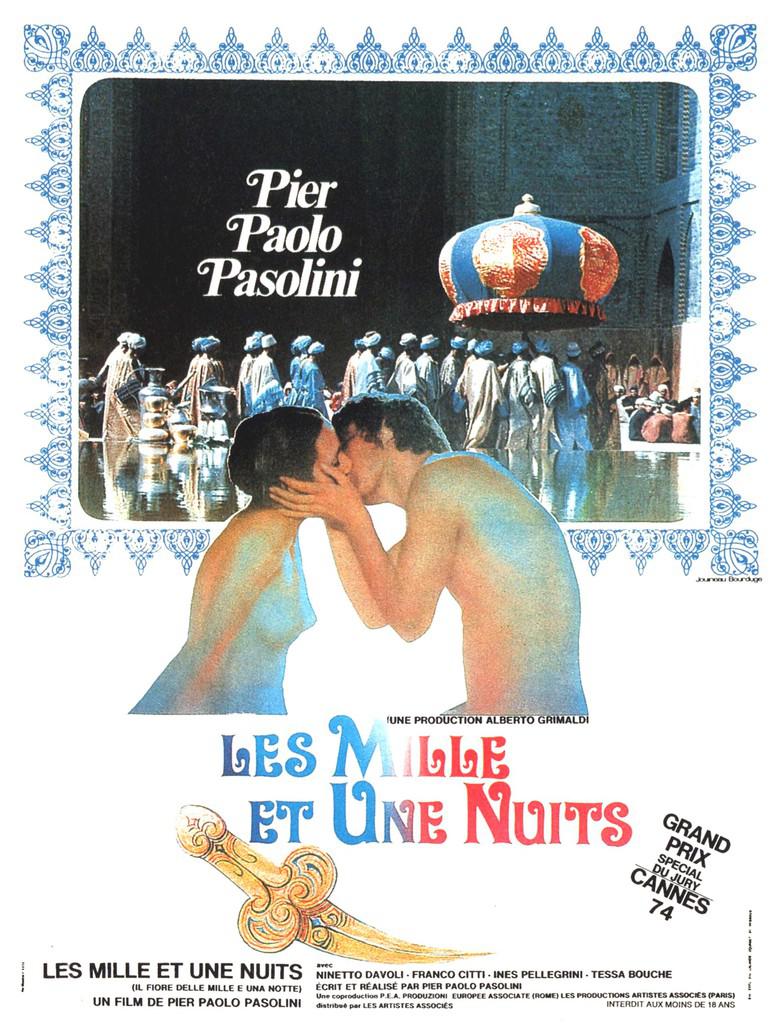
Winner of the Grand Prize of the Jury, 1974 Cannes Film Festival
Pasolini adapts a handful of tales from the Arabian Nights. These stories explore the themes of love, sexuality and deception with a dreamy, sometimes ruthless approach.
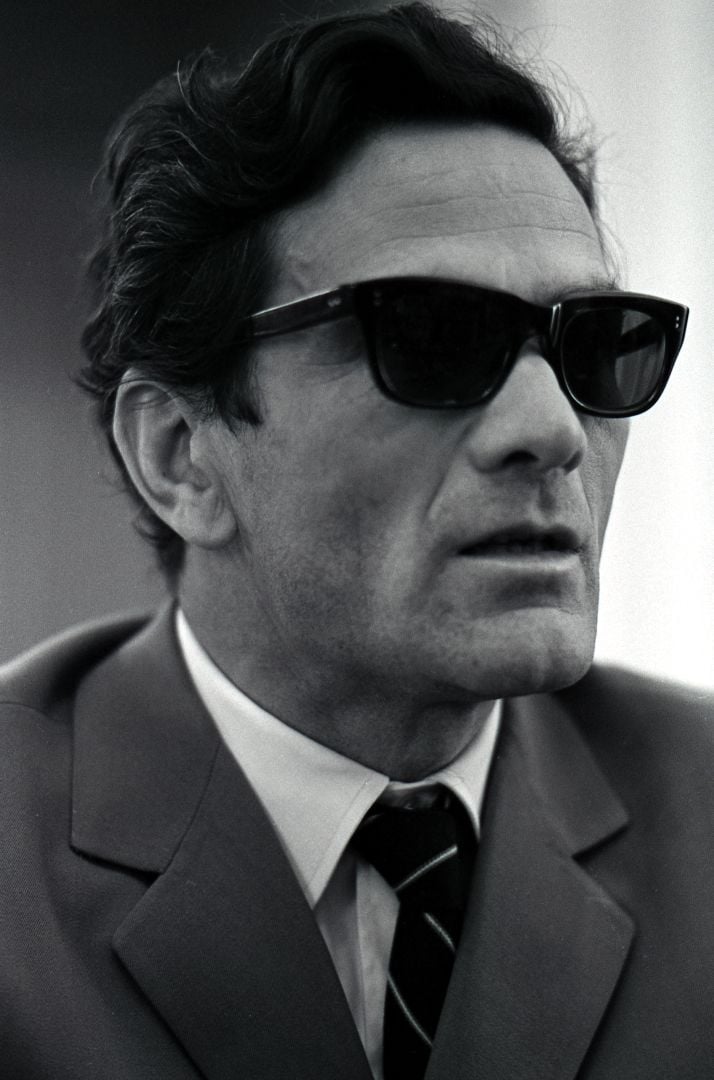
Pier Paolo Pasolini
Pier Paolo Pasolini was born in Bologna in 1922, the son of a military officer and a schoolteacher. During World War II, he began teaching, but was deeply affected by the death of his brother, a partisan fighter. In 1949, Pasolini was accused of corrupting minors and had to give up teaching. He was also expelled from the Communist Party due to his homosexuality, although this didn't deter him from his Marxist beliefs. He moved to Rome, where his early writings stirred both controversy and acclaim. Pasolini then turned to cinema, initially writing scripts for others before directing his own films in the early 1960s. His filmography grew increasingly hard to categorize, blending political and mystical themes. He was a relentless critic of fascism, bourgeois conformity, consumerism, and globalization. Frequently at odds with his era, Pasolini's career was marked by trials, controversies, and censorship, culminating in 1975 with the release of his most infamous and provocative film, Salò, shortly before his mysterious assassination.
Photo : Bruno Massenet | Collections de la Cinémathèque québécoise