Beau travail
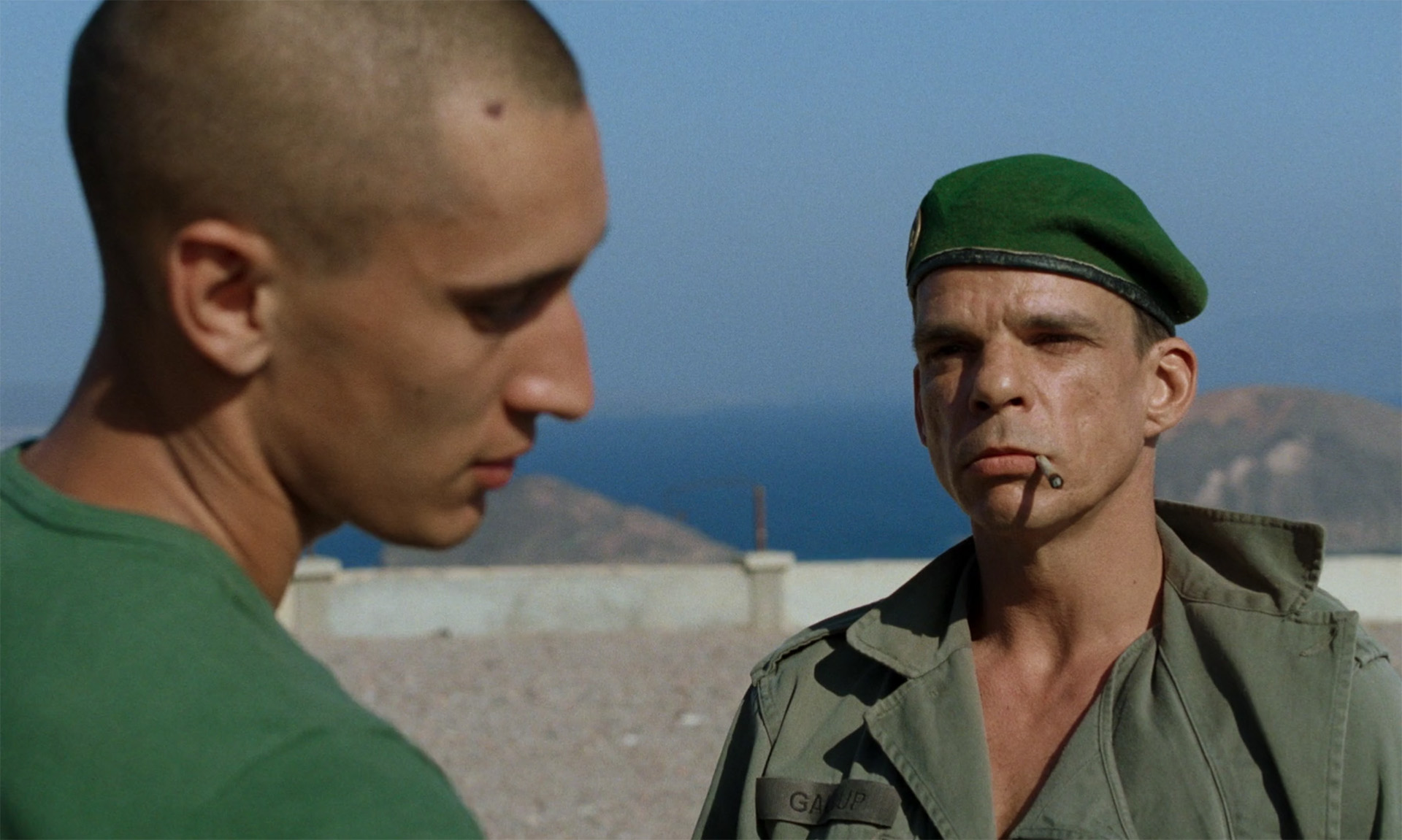
A filmmaker of the body who succeeded in creating a poetic vision of the female gaze, Claire Denis also depicted violence as it is experienced through the flesh, particularly in a post-colonial world, notably in Cameroon or Djibouti. Yet her scope is broader, encompassing social commentary as well as genre cinema, science fiction, and horror.
Winner of the César Award for Best Cinematography in 2001
Ex-Warrant Officer Galoup remembers his good times in the French Foreign Legion and his well-orchestrated life with his men in the Gulf of Djibouti, playing war and repairing roads. It was his admiration for his superior, Commandant Bruno Forestier, and above all his hatred for the young legionnaire Gilles Sentain, of whom he was sickly jealous, that led to his downfall.
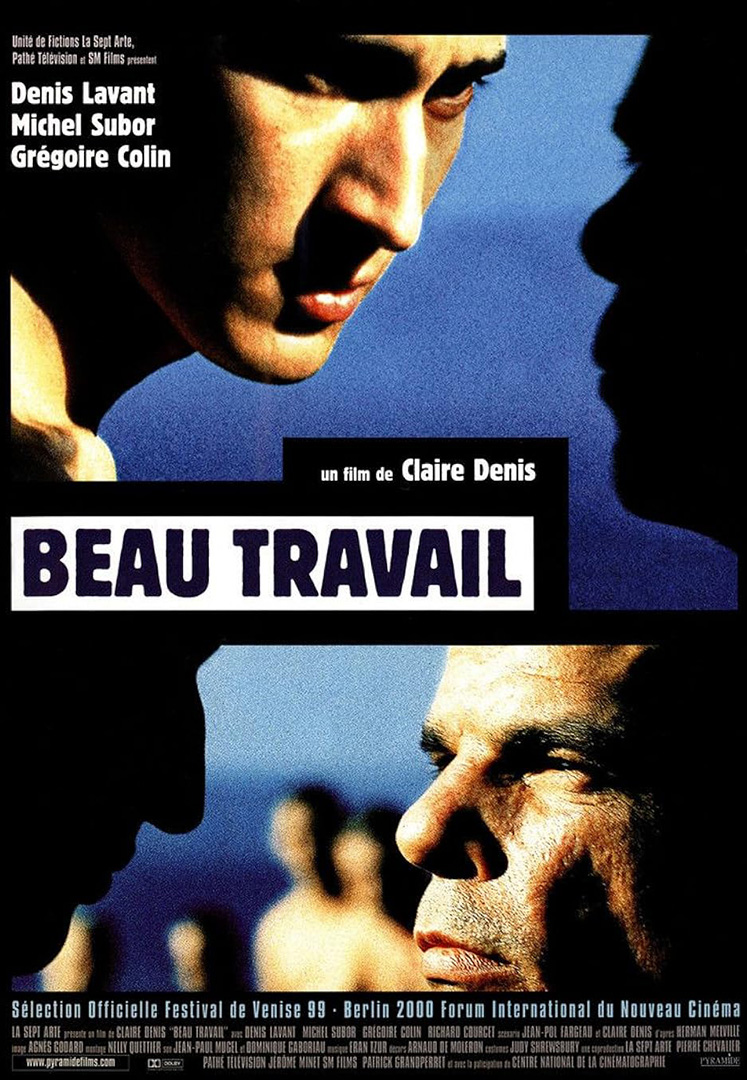
Claire Denis
Claire Denis is a French screenwriter and director. She began her career as an assistant director for several prominent filmmakers, including Jacques Rivette, Wim Wenders, and Jim Jarmusch. Inspired by these experiences and encouraged by Wenders, she wrote and directed her first film, Chocolat, in 1988. The film was nominated for the Palme d'or at the Cannes Film Festival. She established her cinematic style with her second film, No Fear, No Die (1990), characterized by a certain violence and an exploration of cinematic form and the relationship to the body. This was followed by numerous auteur films, such as Beau Travail (2000), often focusing on the depiction of desire and love in all its violence. Heavily influenced by the filmmakers she worked with, as well as Yasujirō Ozu and Hou Hsiao-hsien, she has stated that she "chose the camp of filmmakers who trust the image," emphasizing the importance of the scene and its framing. Music and unspoken elements play a crucial role in her films, with dialogue considered an additional layer.



.jpg)