Before the Time Comes

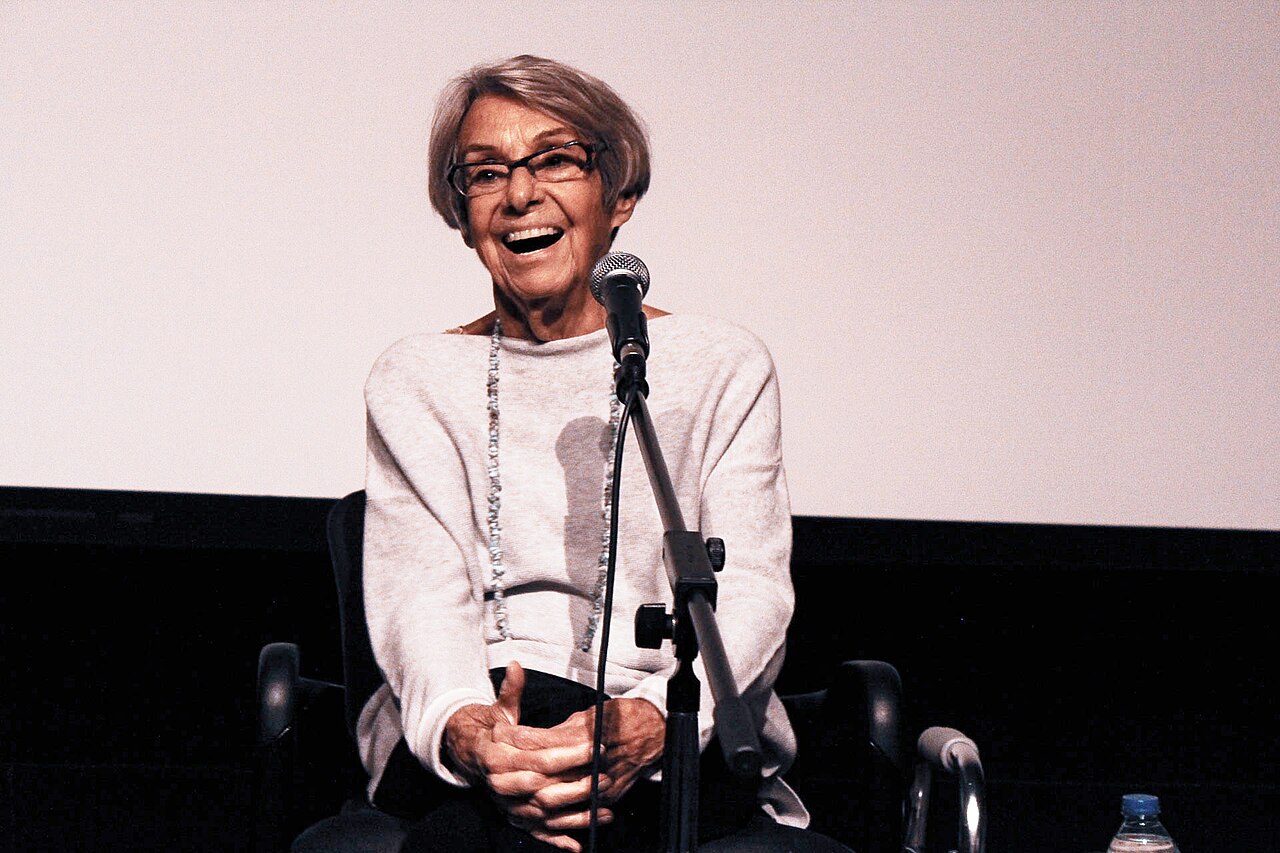
Built around International Women's Day (March 8), this program invites us to immerse ourself in the creative effervescence of women's and feminist cinema in Quebec during the 1970s. It features a tribute to director and Vidéo Femmes co-founder Hélène Roy, followed by a discussion; two screenings of independent works by pioneering women filmmakers, recently restored by the Cinémathèque québécoise; and a screening of the six films from the NFB series En tant que femmes, presented in dialogue with the launch of Olivier Ducharme’s book, Nous ferons les films que nous voulons.
Please note that this 16 mm print shows signs of wear, such as a slight red tint and some noise on the soundtrack
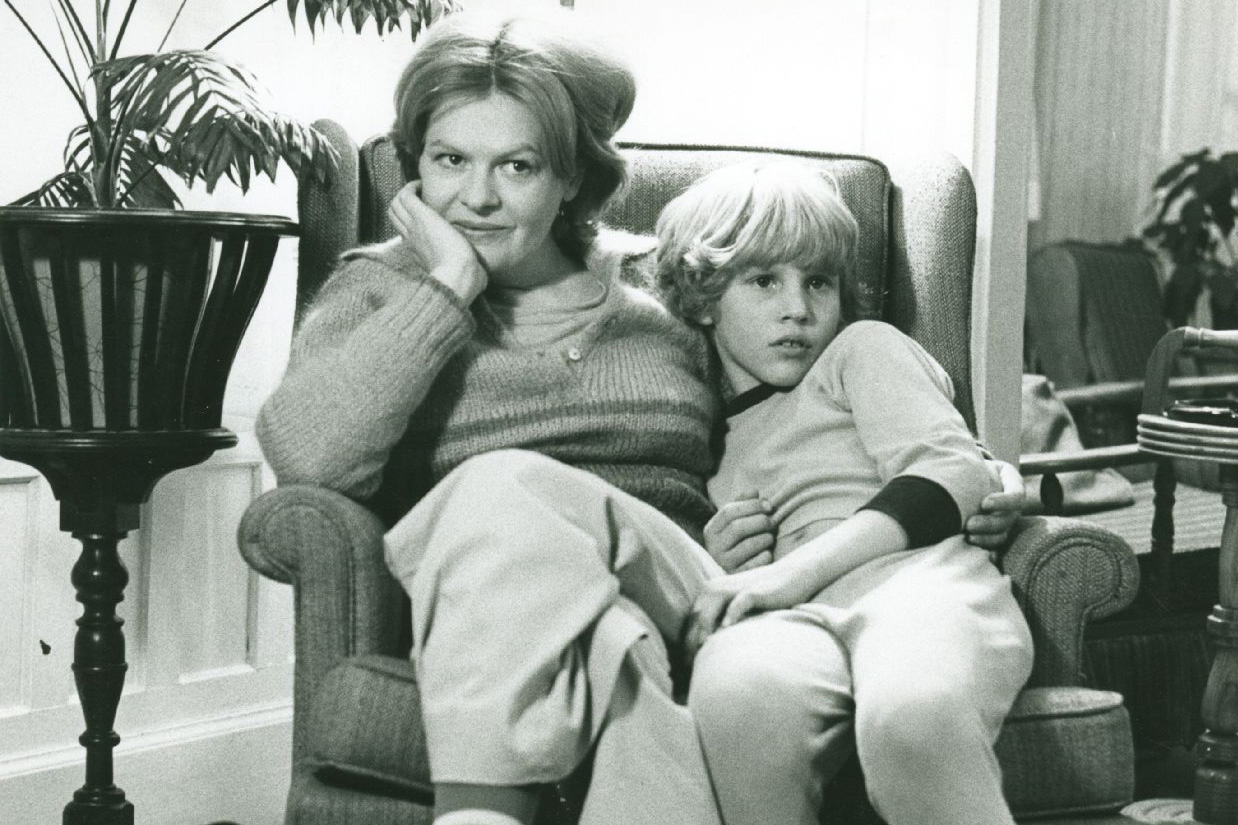
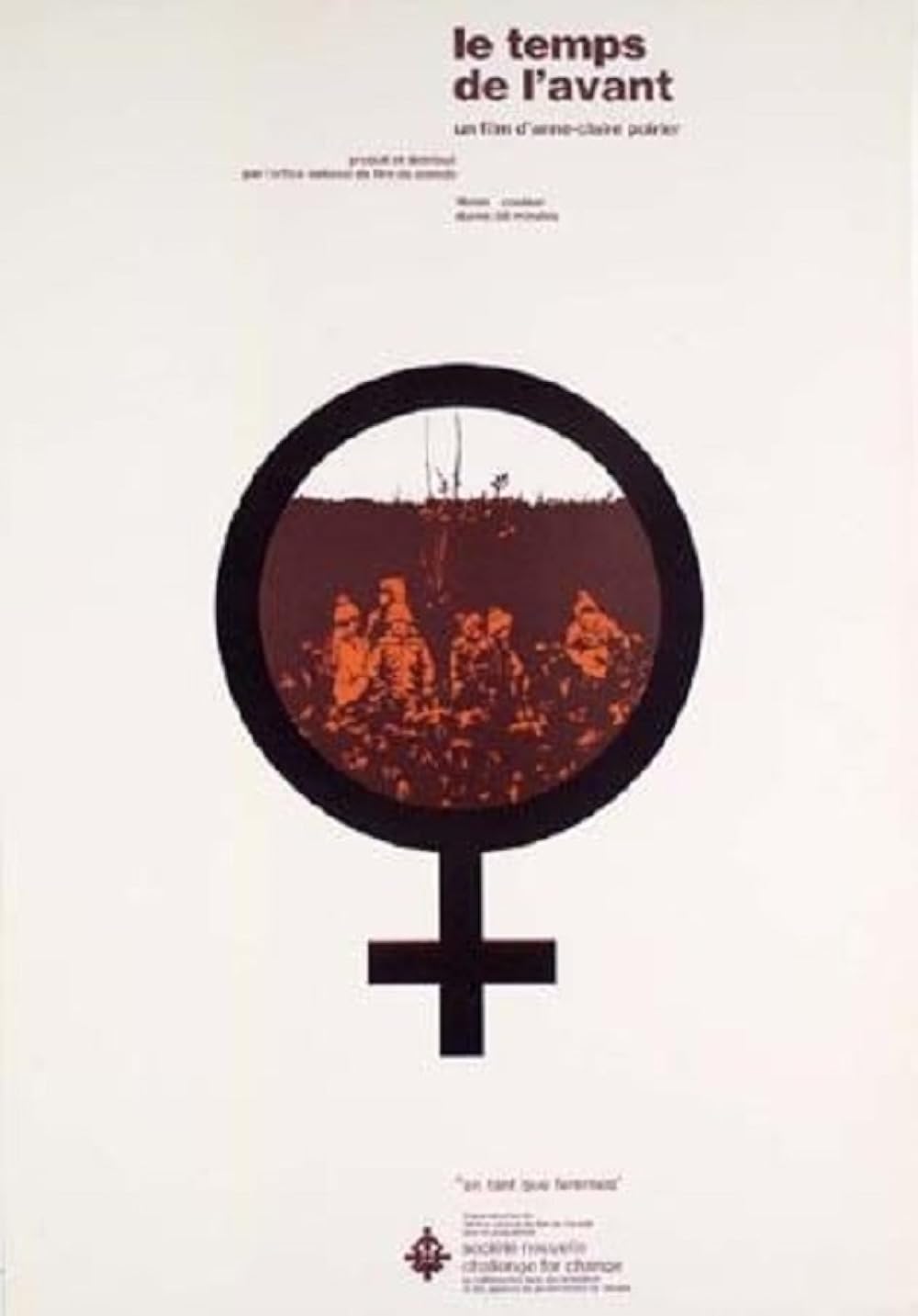
The film examines, in depth and with sobriety, the question of contraception and abortion through the story of a woman, happily married, with three children, who, with her husband, must make the agonizing decision of whether to give life. (NFB)
Anne Claire Poirier
Anne Claire Poirier is a Quebecois film director, editor, screenwriter, actress, and producer, born in Saint-Hyacinthe. She was hired by the National Film Board of Canada in 1960, where she initially worked on the French versions of English-language films before transitioning to editing and producing. In 1963, she directed a short documentary about actor Christopher Plummer. Her first feature film, De mère en fille (1968), foreshadowed the rise of feminist cinema in Quebec. With this film, she developed a distinctive writing style, blending genres and exploring the expressive possibilities of editing. Poirier was the driving force behind the NFB's En tant que femmes program, which gave rise to a series of films by women, about women, and for women—all of which she produced. Feminist cinema in Quebec was born. As part of this initiative, she directed two films: Les filles du Roy (1974) and Le temps de l'avant (1975). At the same time, she was preparing what would become her most famous film, Mourir à tue-tête (1979), a powerful work addressing the issue of rape. Her 1996 documentary Tu as crié LET ME GO—both an homage to her late daughter and an investigation into the world of drug addiction and prostitution—received the Genie Award for Best Documentary as well as the AQCC’s Prix du meilleur film québécois. At the end of her career, Anne Claire Poirier received numerous awards for her contribution to national filmmaking, including the Prix Albert-Tessier in 1988.