Big Fish
Giants, fairies, magicians, ghosts, dragons, and monsters of all kinds… Here’s what your Cinémathèque has in store this summer! Since Méliès, filmmakers have embraced the fanstastic potential of cinema, creating infinite phantasmagorias and extraordinary spectacles where the unreal becomes real. Step into a world of fantasy and boundless imagination: whatever your generation, the monsters and wonders that once filled your childhood dreams are back this summer 2025!
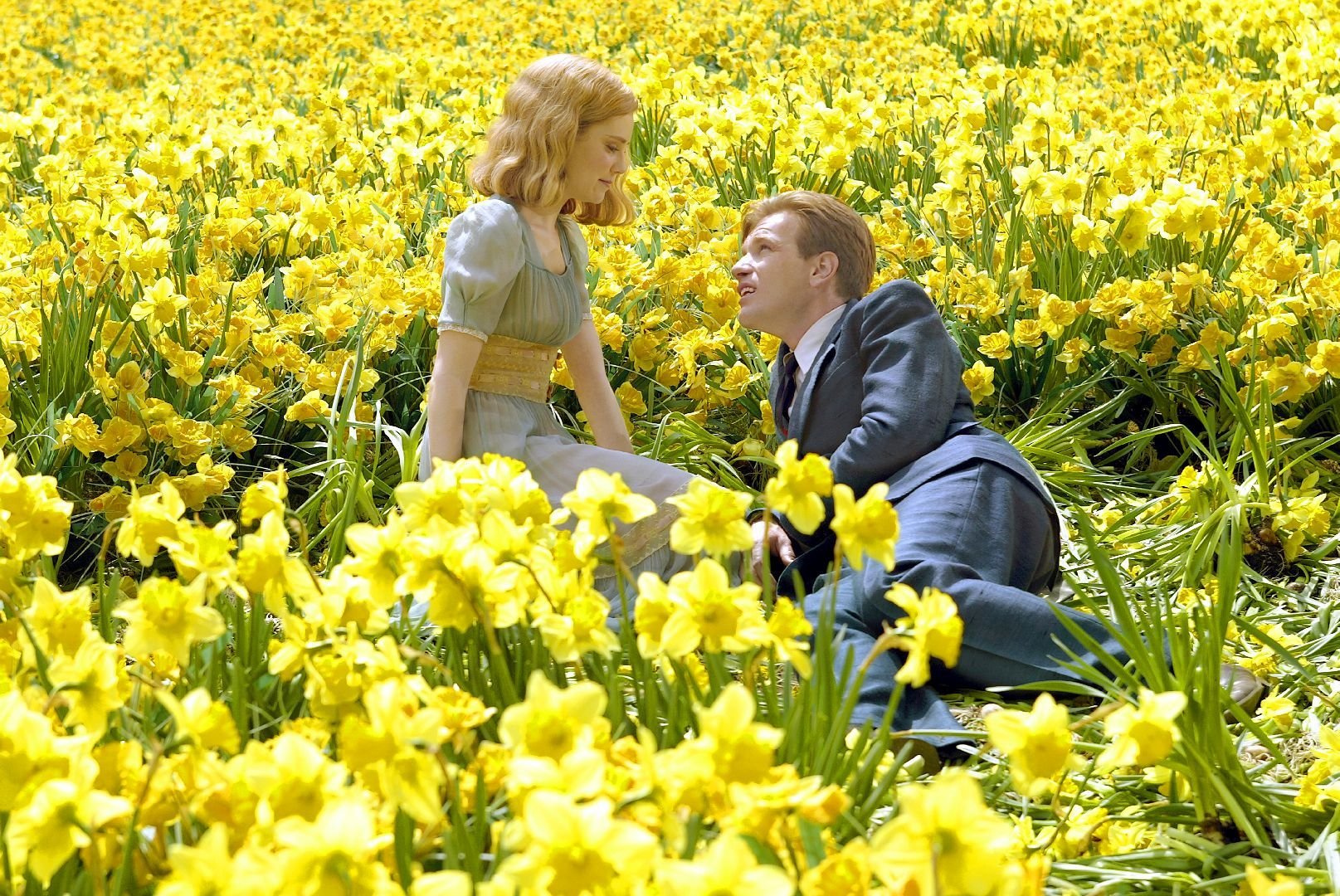
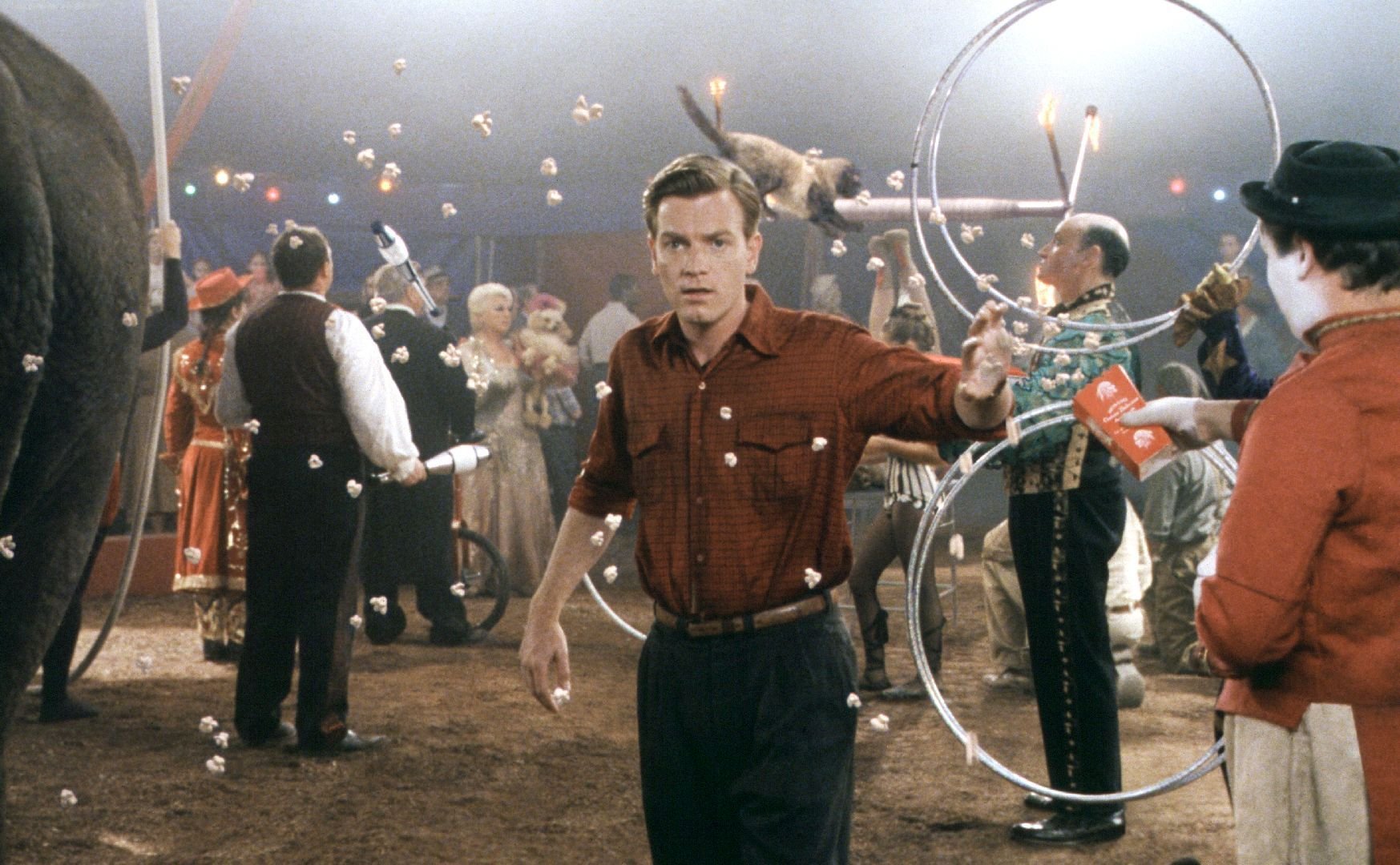
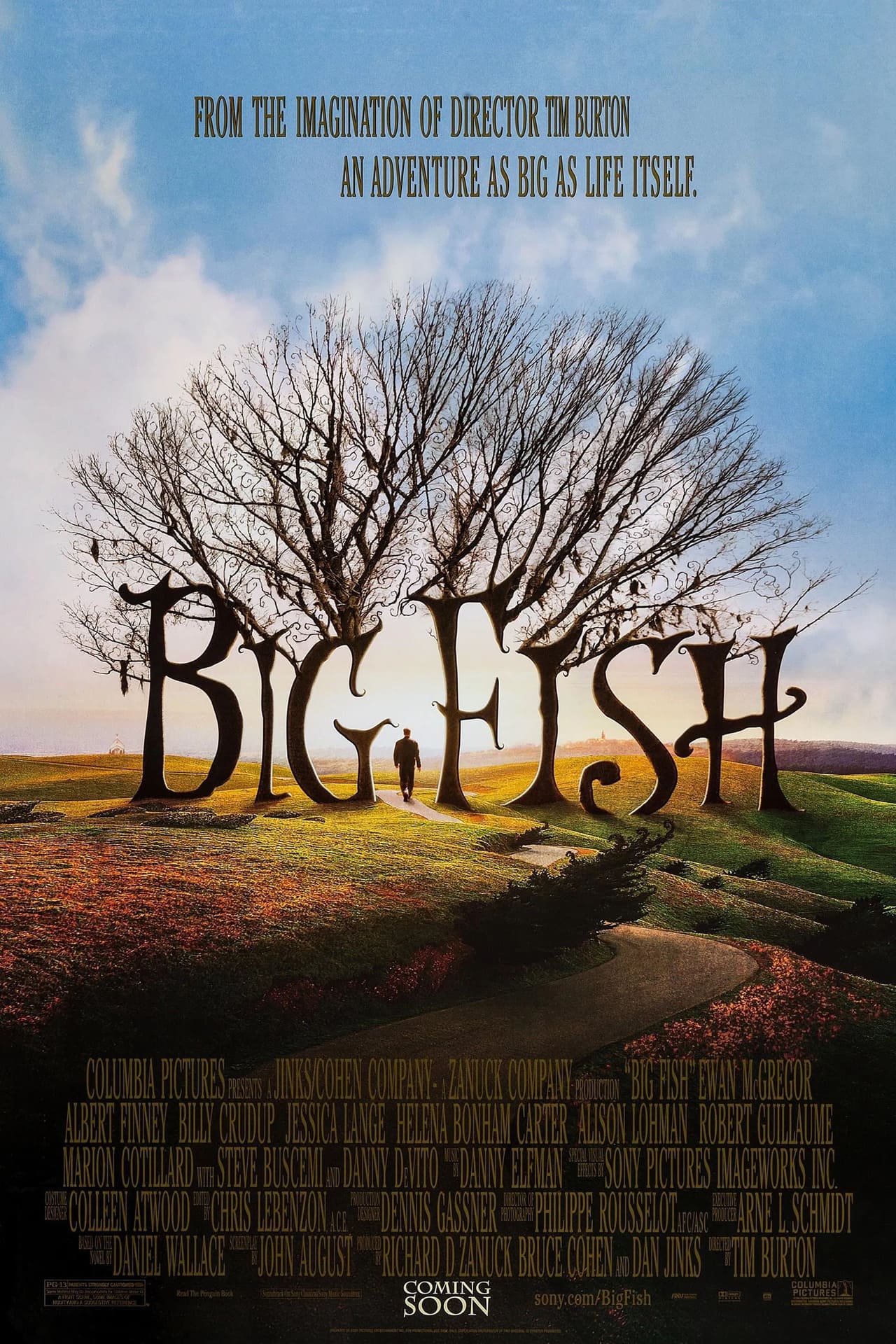
Taking over a project abandoned by Steven Spielberg, Tim Burton makes one of his best films. The visual universe of Burton – a filmmaker who came to fiction through animation – marvelously serves the fantastic tale of Edward Bloom, a traveling salesman who, on his deathbed, recounts his picaresque adventures to his son. Part of the southern gothic genre, Big Fish is an ode to the omnipotence of the storyteller.
Tim Burton
Tim Burton is an American film director, screenwriter, and producer. A devotee of the fantastical and influenced by Edgar Allan Poe, he first gained public recognition with Beetlejuice (1988), Batman (1989), Edward Scissorhands (1990), and Batman Returns (1992). He then embarked on a more experimental phase, directing the biographical film Ed Wood (1994) and the satire Mars Attacks! (1996), and later achieved significant success with Big Fish (2003) and Alice in Wonderland (2010). Concurrently, he directed several adaptations in a more gothic style, such as the horror film Sleepy Hollow (1999), and contributed to the production of animated films featuring puppets moving within real sets. His cinema is characterized by a parade of monsters and creatures, as well as a blend of dark humor, irony, and macabre elements. Remaining faithful to his style, the filmmaker explores several genres that he intertwines at times: horror film, intimate drama, fairy tale, melodrama, biographical film, science fiction film, comedy, period film, musical, and action film. His stories feature marginal characters and extraordinary beings, confronting the mediocrity of the world. One can discern a strong influence of fantastical cinema, German expressionist cinema, and Hammer Productions films, both parodied and celebrated.