Carte Blanche to Saodat Ismailova
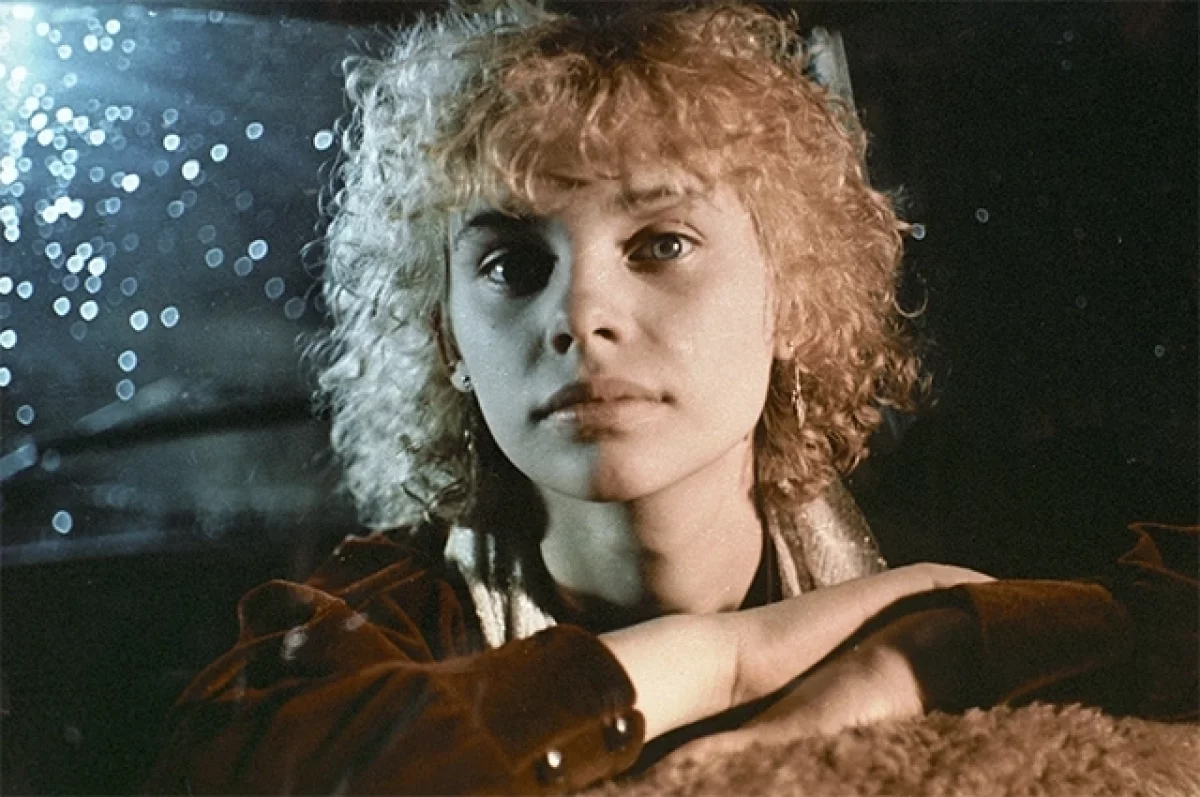
In collaboration with Galerie de l'UQAM, we are extending our dialogue with Uzbek artist and filmmaker Saodat Ismailova (Berlinale, Venice Biennale). Echoing the Archives in the Hands of Filmmakers exhibition (coming in June), we are screening her film Swan Lake, which reuses images from Soviet cinema to create a singular work. We are also featuring an iconic film from the end of the Soviet era that deeply influenced the artist.
Double bill with a 10-minute intermission.
Followed by a discussion with Saodat Ismailova
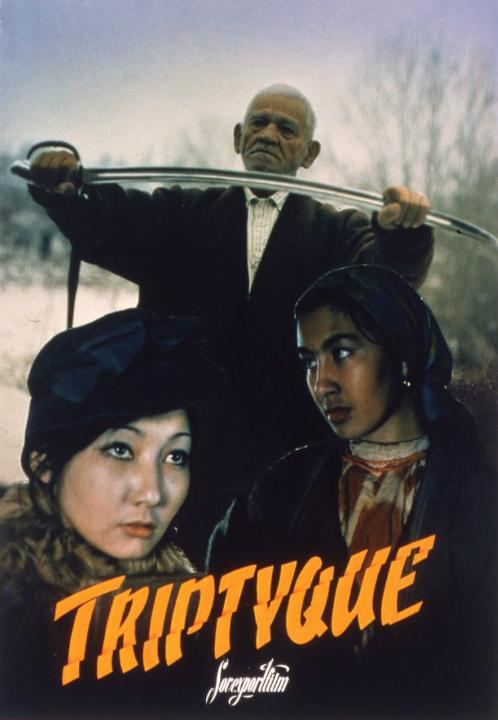
Triptych depicts three women struggling with traditional social norms in post-war Uzbekistan. One of them builds a house even though she shouldn't because her husband is away. Another, a teacher, promotes progressive ideas that go against the conservatism of her village. The last, also the oldest, still has a hard time coming to terms with having been forced into marriage in her youth. Three women fighting for emancipation.
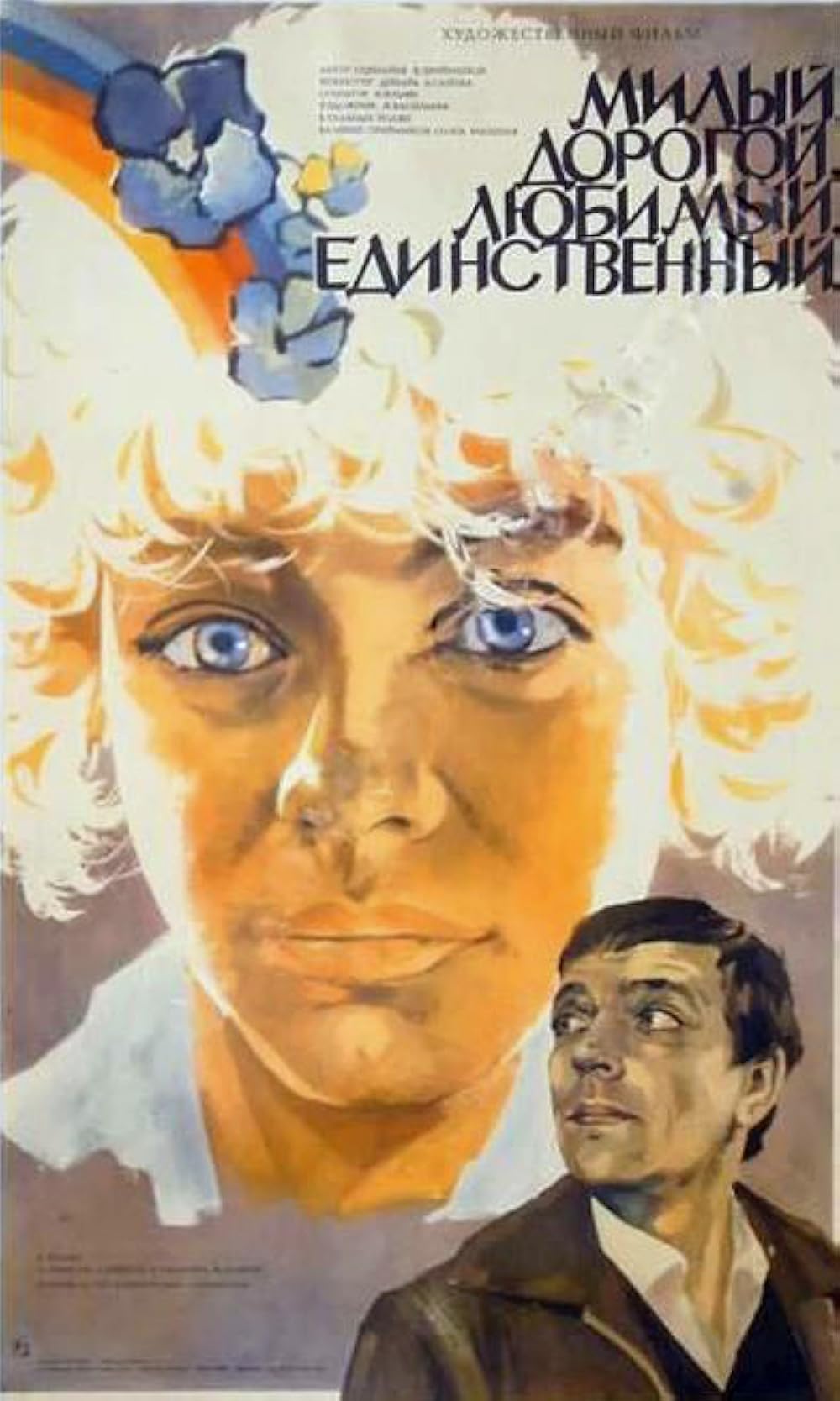
Filmmaker Dinara Asanova's last film features Anna, an eccentric and restless 19-year-old woman. In the rebellious Leningrad of the 1980s, she and a baby jump into the car of Vadim, a dump truck driver, and set off on a surprising nighttime road movie during which Anna's motives are gradually revealed.
Ali Khamraev
Ali Khamraev is an Uzbek filmmaker and screenwriter. He graduated from the All-Union State Institute of Cinematography (VGIK) in 1961. He directed his first film that same year. In 1970, he became a member of the Communist Party of the Soviet Union. Many of his films focused on the Russian Civil War and the Basmachi movement: The Extraordinary Commissar (1970), The Seventh Bullet (1972), and The Bodyguard (1979), directed in the Ostern genre (a variation of the Western films, created in the Soviet Union and Eastern Bloc). He directed one final film in the USSR, The Garden of Desires (1987) before moving to Italy. From there, he frequently visits Moscow and Uzbekistan. Still active today, he directed over thirty documentary films and more than twenty feature films.

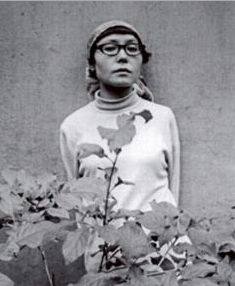
Dinara Asanova
Dinara Asanova was a Kyrgyzstani-Soviet film director and one of the most notable and acclaimed female filmmakers of the late Soviet Union. She is best known for her films Woodpeckers Don't Get Headaches (1975) and Though Kids (1983). Although she was not very well known in the West, Asanova was popular in the USSR. Her career spans over 25 years, ending with her death at the age of 42. Between the years 1969 and 1984, Asanova made ten films. Her films often dealt with the subject of troubled adolescence and incorporated critiques on Soviet society. Asanova rarely had problems with the censors despite the fact that her films featured such themes.
Co-presented with