Citizen Kane
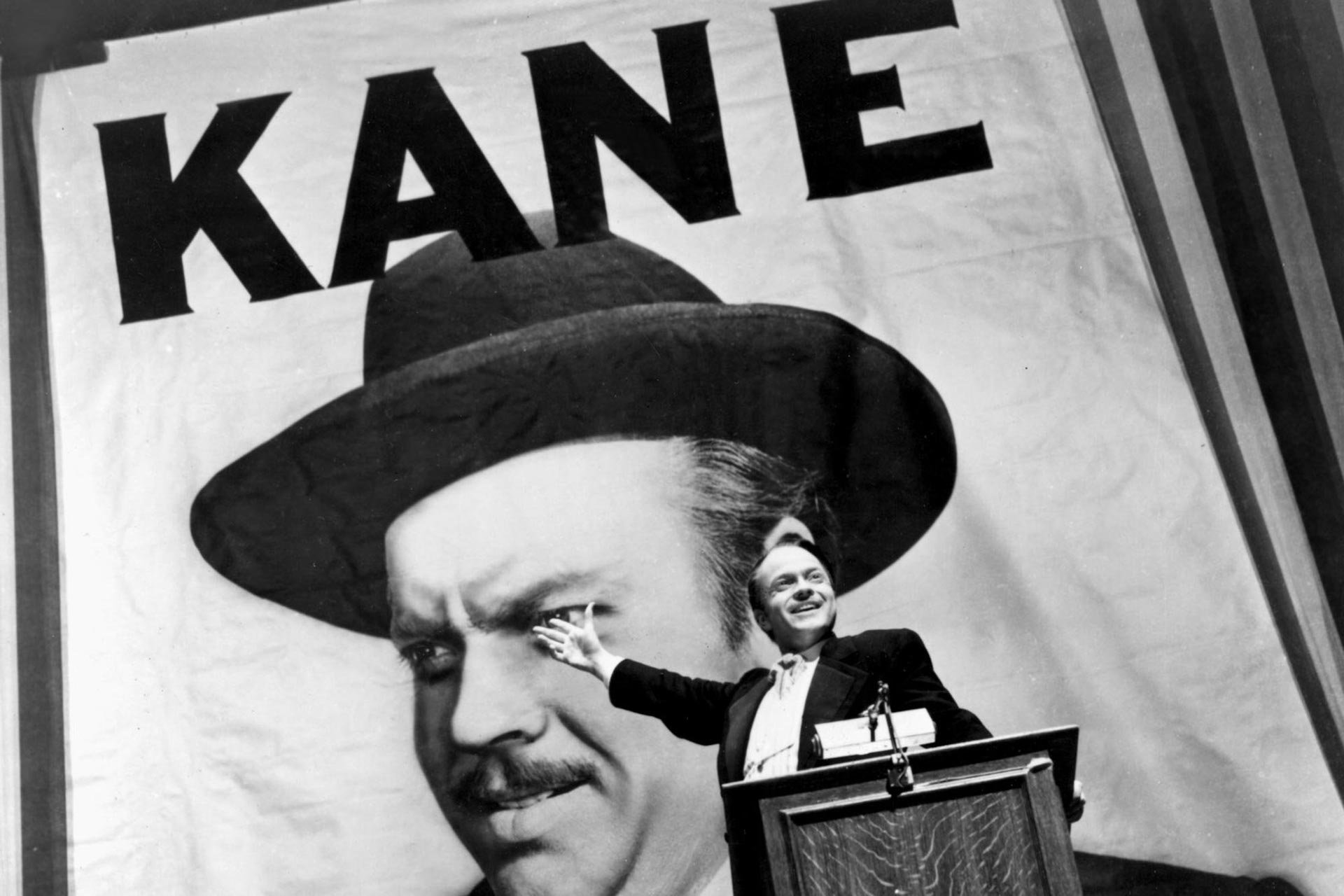
Making lists is an activity moviegoers are fond of. Every year, the same ritual: compilation of the ten best films, with comparative analyses, debates, heated discussions. But what about the ultimate list of the most outstanding films in the history of cinema? That is to say, those films that must be seen, those that have forever transformed the art of cinema, but also our way of seeing a culture, of understanding the world as well as our own lives? This program aims to tackle this challenge with nearly eighty films, produced between 1916 and 1960, while waiting for your lists!
After the death of billionaire Charles Foster Kane, a great press magnate, Jerry Thompson, a reporter, investigates his life. The contacts he makes with his relatives make him discover a gigantic, megalomaniac, egotistical and solitary character. The first film of Orson Welles, who signs at 24 years an undisputed masterpiece.

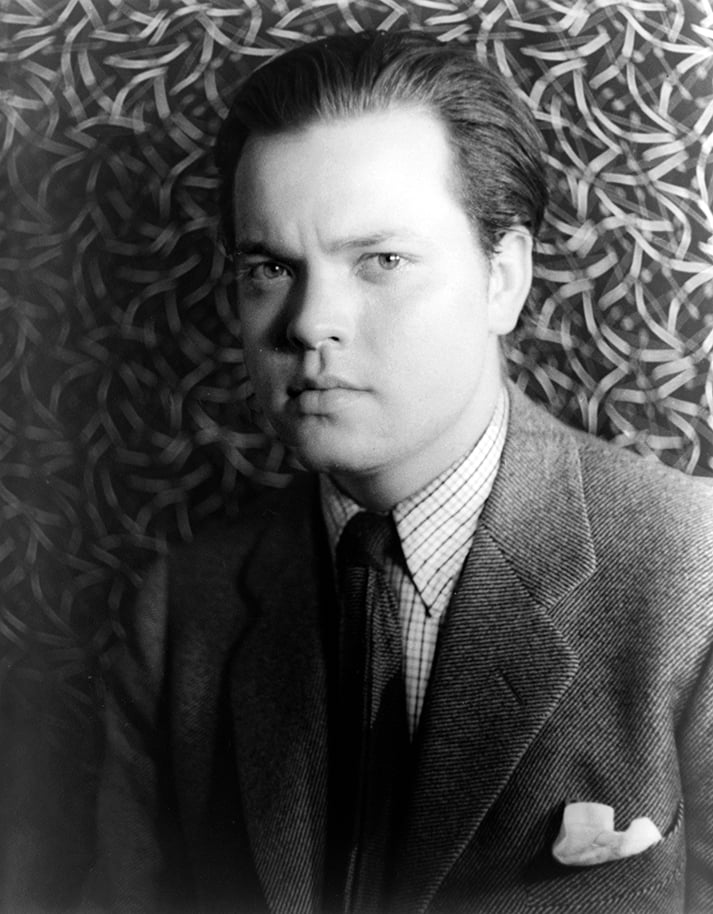
Orson Welles
Orson Welles was an American director, actor, producer, and screenwriter, remembered for his innovative work in radio, theatre and film. First drawn to the stage through Shakespeare, he gained national recognition with his radio adaptation of H.G. Wells' The War of the Worlds. He is now considered one of the greatest and most influential filmmakers of all time. His first film, Citizen Kane (1941), is consistently ranked among the most important films ever made. His distinctive directing style and acting deeply influenced generations of filmmakers, especially Stanley Kubrick. A precocious and polymorphous artist, fiercely devoted to his independence — a cigar enthusiast, bullfighter and illusionist — Welles never ceased to return to theater and literature throughout his career, adapting both great classics (Othello, Don Quixote) and contemporary works. Often at odds with the studio system and cultivating his own legend through spectacular, yet enigmatic effects, he left many films unfinished.