Action! If there’s one word associated with cinema, the tension of movie sets, and the focus of attention, it’s this one. Action is very often at the heart of popular cinema: Harold Lloyd hanging from the clock hands in Safety Last! (1923), Cary Grant threatened and strafed by a plane in North by Northwest (1959), Franka Potente gasping for air in Run Lola Run (1998)... Westerns, swashbuckler films, martial arts or adventure flicks, thrillers, all these genres rely on action—sometimes frenetic, sometimes meticulously measured.
From movies by Sergei Eisenstein to Gilles Carle, from John Ford to John Boorman and Werner Herzog, via Paul Verhoeven, Kathryn Bigelow, Park Chan-wook, Érik Canuel, and Nicolas Winding Refn, this series will take you through the full range of emotions, from laughter to thrills, from fear to satisfaction.
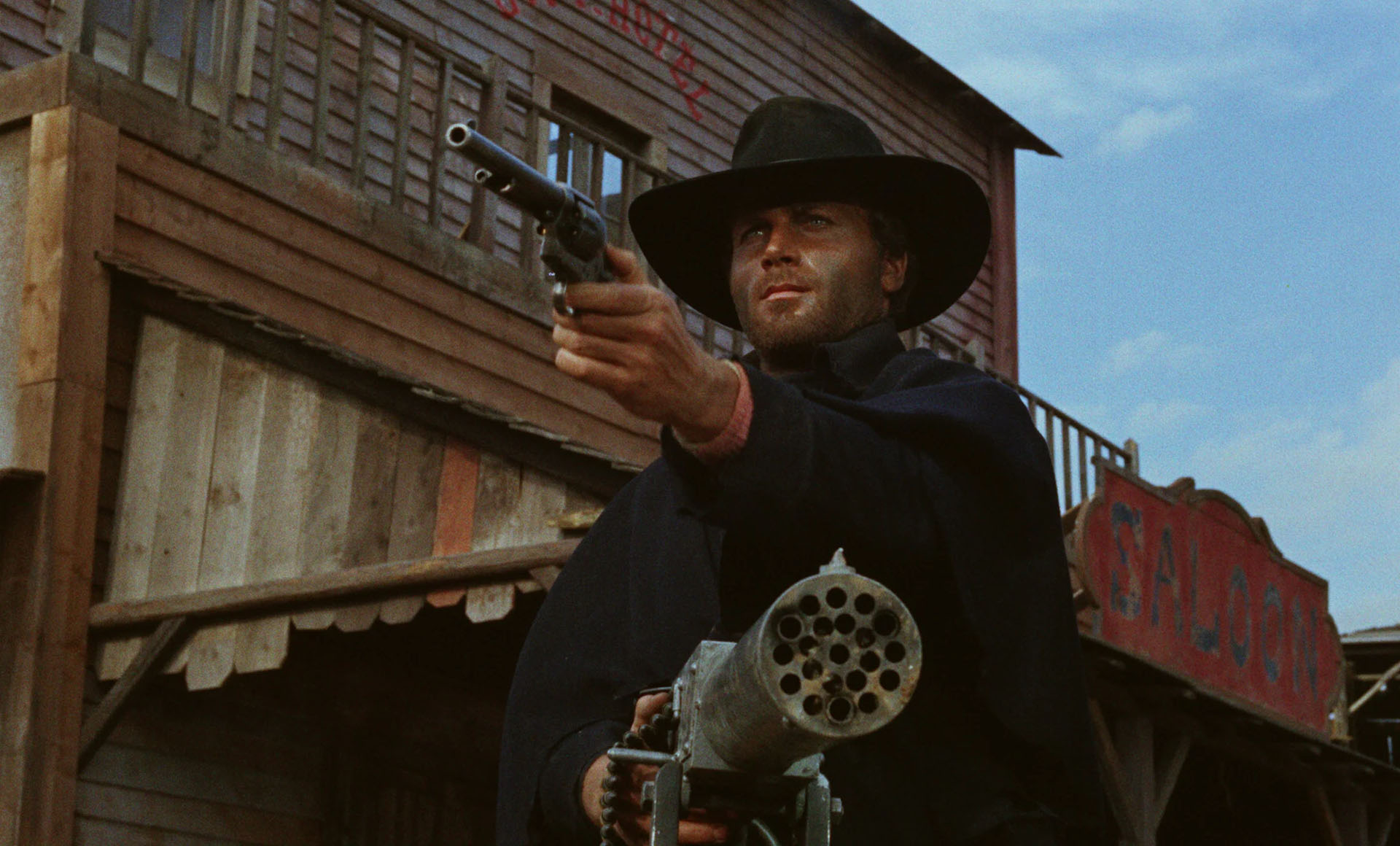
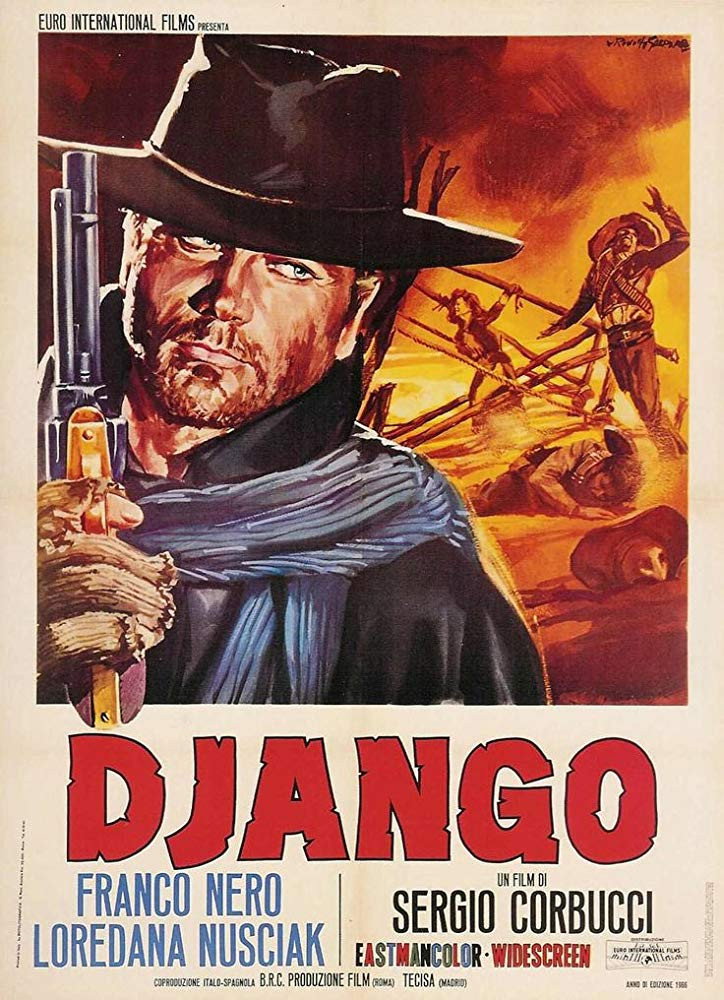
The solitary Django, after defending a prostitute, finds himself in the middle of a conflict opposing Mexican revolutionaries and a band of Confederate supremacists. Taking on fanaticism and racism, Corbucci signs one of the most violent westerns ever made, and reveals a star in Franco Nero (who would go on to star in Corbucci's The Mercenary and Castellari's Keoma, among others). The name "Django" would later be abusively used for commercial purposes in around thirty other films. Tarantino paid explicit tribute to Corbucci's film with Django Unchained.
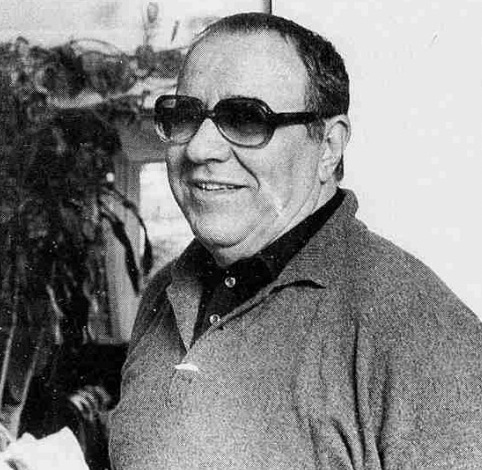
Sergio Corbucci
Born in Rome in 1926, Sergio Corbucci worked for a time as a journalist before becoming an assistant director. He began his film career in 1951 with a melodrama, Salvate mia figlia, and over the next few years worked in all the popular genres in vogue, from musicals to peplums to comedies starring Totò. In 1964, he directed two westerns in quick succession, Grand Canyon Massacre and Minnesota Clay, becoming a pioneer of the "spaghetti western" alongside Sergio Leone. Within this genre, Corbucci turned actor Franco Nero into an icon and signed his greatest successes, distinguished by their exaggerated darkness and cruelty, such as Django (1966), The Great Silence (1968) and The Mercenary (1968). He made a few more westerns in the 1970s, but mainly returned to popular comedy, a genre to which he mainly devoted the rest of his career.