In collaboration with Ukrainian-Canadian programmers Alina Senchenko and Iryna Borzilova, we are presenting a comprehensive overview of Ukrainian film history, spanning nearly a century, from the Soviet era to the present day. A portion of the proceeds from this series will be donated to victims of the war in Ukraine through the Maple Hope Foundation.
Accompanied on the piano by Gabriel Thibaudeau
Preserved in our collections
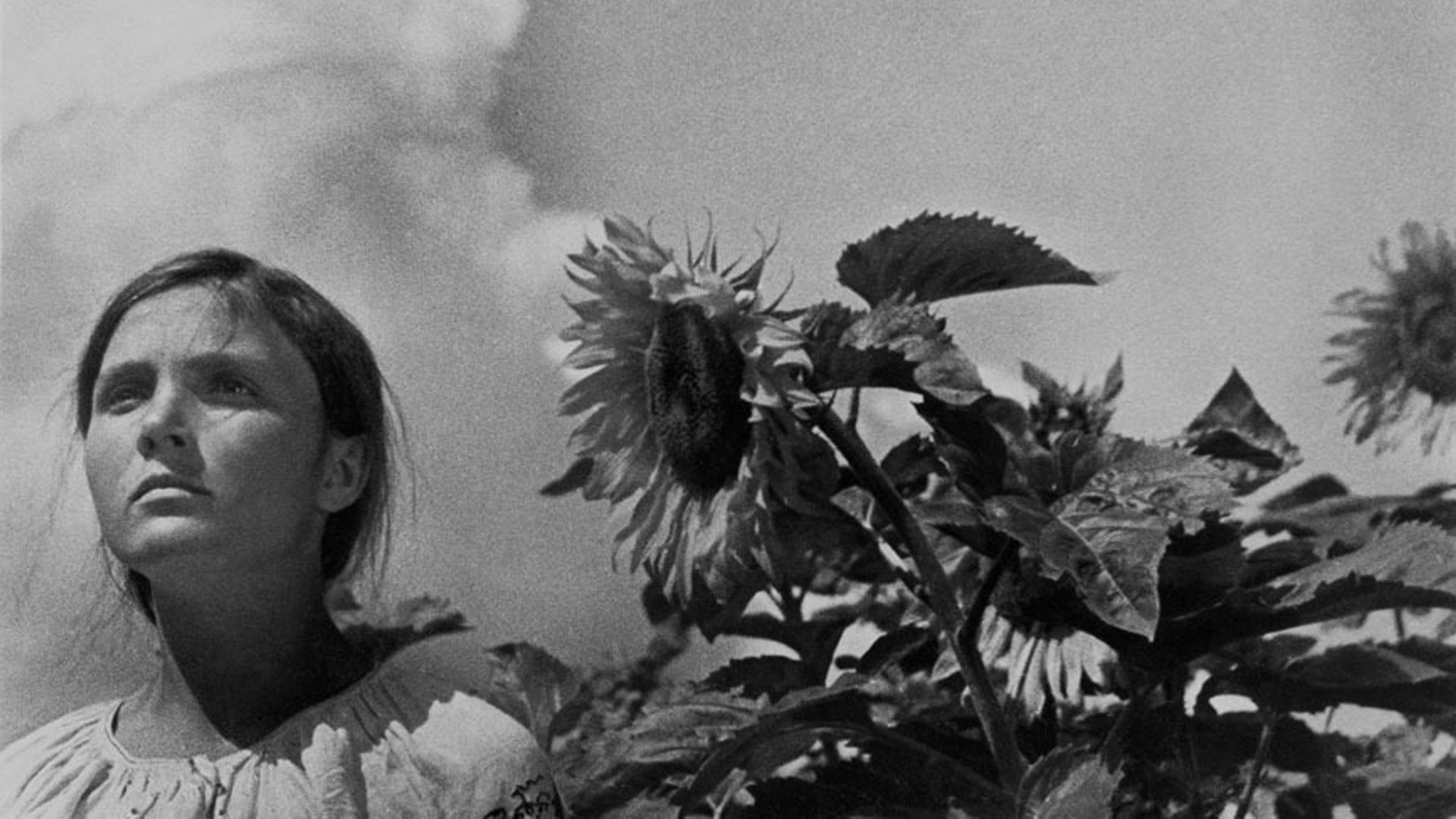
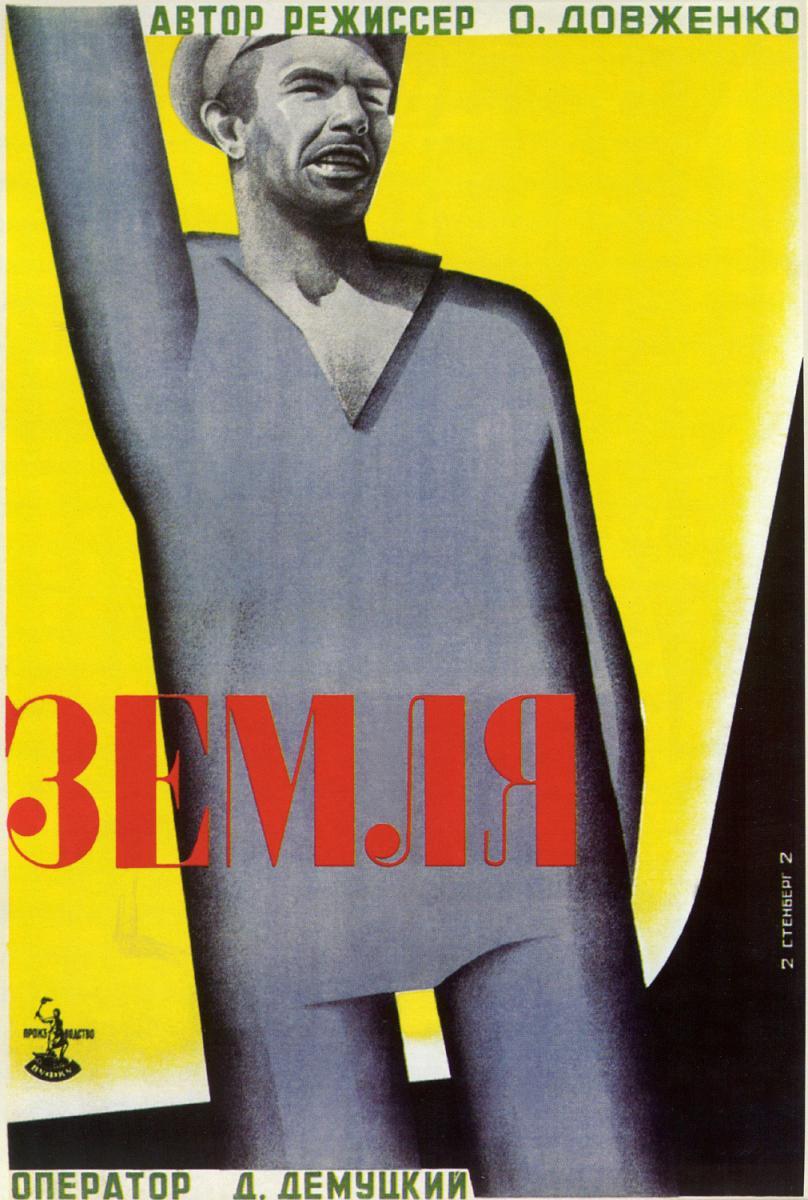
A prolific writer, teacher, and director, Oleksandr Dovzhenko is considered the “father” of Ukrainian cinema. Dovzhenko’s works have had a profound influence on filmmakers in Ukraine and abroad. Among his most internationally recognized works is Earth. The film is the third entry in a trilogy that also includes Zvenigora (1928) and Arsenal (1929), each of which considers Ukraine and its societal change in the face of war and collectivization. Earth poignantly portrays the transformative period of the industrial sector in terms of the tragic struggle between generations unable to understand each other. With great love, through poetic imagery, Dovzhenko shows us the connection Ukrainian people have with their natural environment.
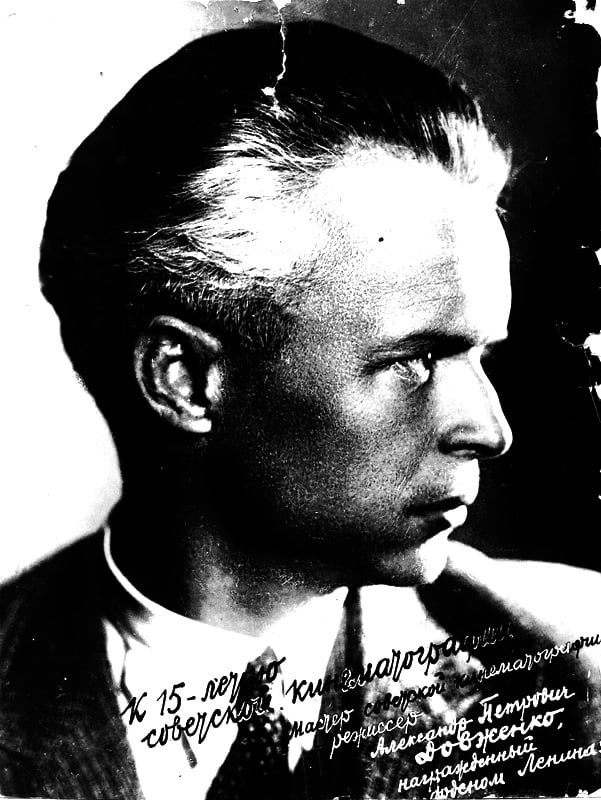
Oleksandr Dovzhenko
Oleksandr Dovzhenko was a Soviet Ukrainian filmmaker. His best-known films are Arsenal (1939) and Earth (1930), which, along with Zvenigora (1928), form his "Ukraine Trilogy." For this reason, some historians consider him one of the founders of Ukrainian cinema. Ukraine inspired many of his films. He began working in the film industry as a screenwriter in 1925 and as a director at the age of 32. In 1935, after completing Aerograd, Joseph Stalin suggested he create a film featuring Nikolai Shchors, a nearly forgotten military figure of the Russian Civil War. After submitting several script versions to the General Directorate of Cinema and the Politburo, he made the film which became a great success. In 1941, he became a war correspondent and prepared Ukraine in Flames, a documentary he filmed two years later. This time, the film displeased Stalin. Dovjenko was then summoned to a Politburo meeting, where he was severely criticized for the revisionist content of his work. From that point on, he worked partly in disgrace. Dovjenko was a mentor to the young Ukrainian filmmakers Larisa Shepitko and Sergei Parajanov. In 1994, the Dovzhenko Centre, the Ukrainian film center, was founded in his honor.
Presented in collaboration with