Empire of Passion
Among young filmmakers who emerged from the “New Wave” launched by Shōchiku Studios in the late 1950s to attract new audiences, Nagisa Ōshima established himself as its chief troublemaker. His radical choices led him to break away from the studio system, forging a filmography filled with unforgettable visions, defiant characters, and unfettered ideas that never ceased to be complex, bold, and surprising. Presented in collaboration with the Festival du nouveau cinéma, this series highlights Ōshima's work from the 1960s, alongside the celebrated masterpieces of his later career.
Winner of the Best Director Award, 1978 Cannes Film Festival
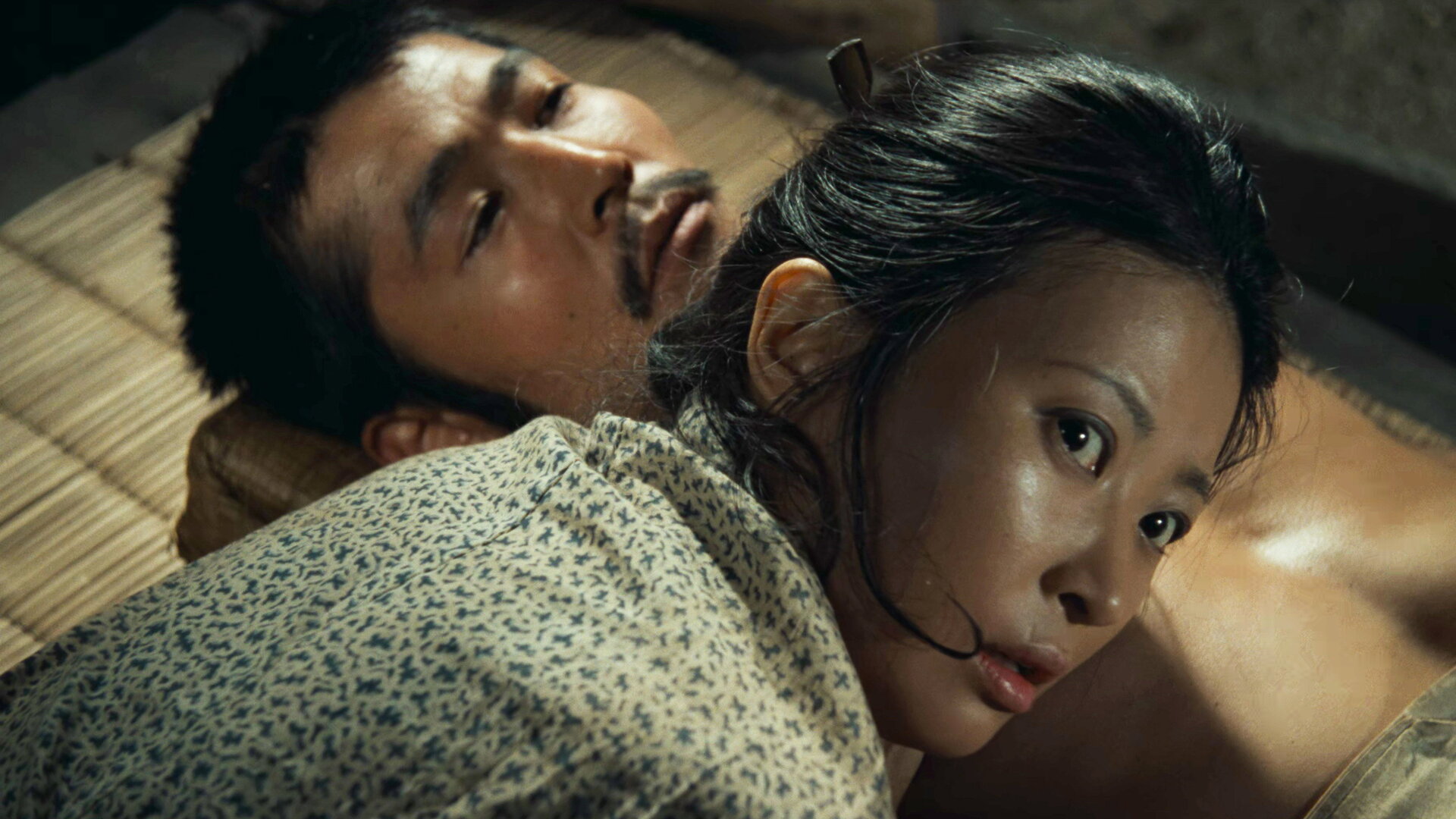
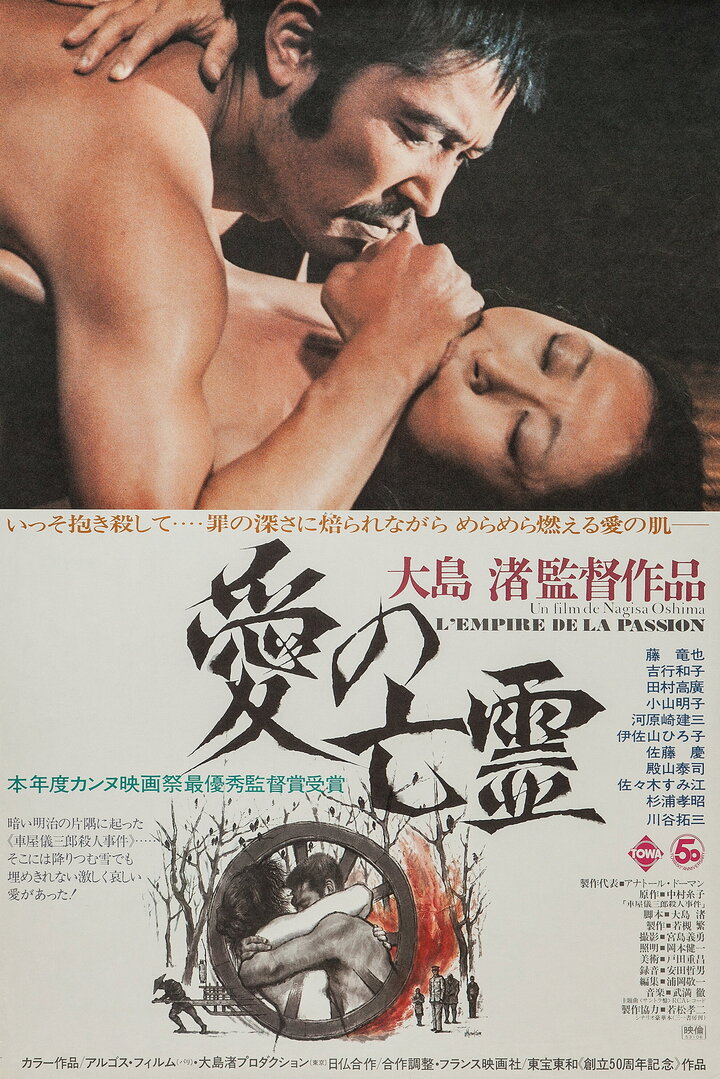
In the late 19th century, Seki decided to kill her husband, Gisaburo, with the help of her lover, Toyoji. Toyoji’s ghost returns to haunt the two lovers.
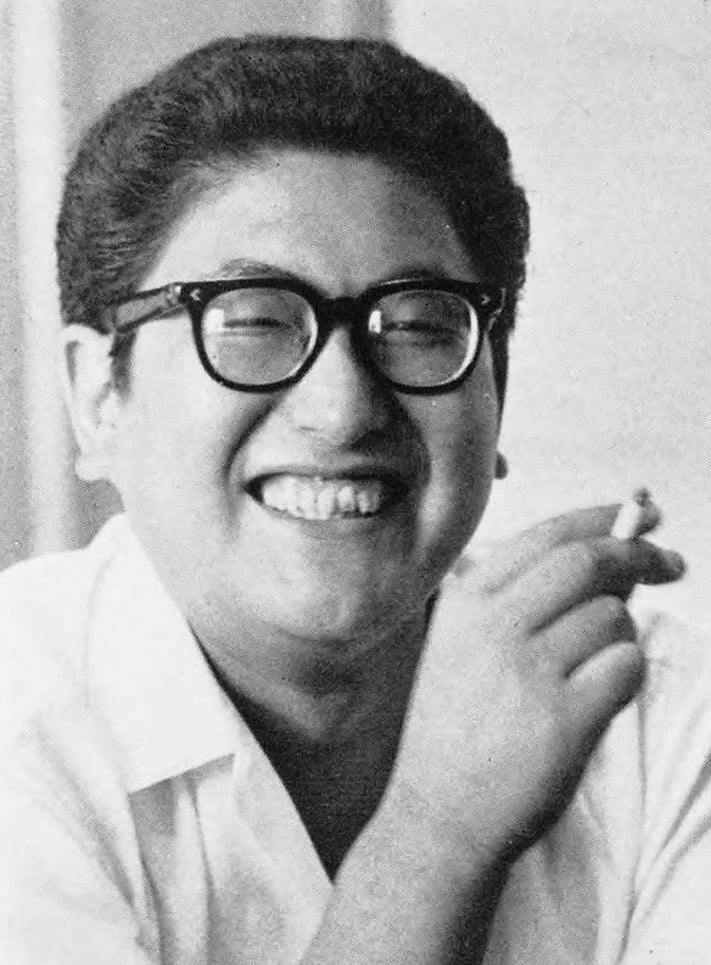
Nagisa Ōshima
Nagisa Ōshima was a Japanese film director, writer, and left-wing activist who is best known for his fiction films, having directed 23 features in a 40-year career. Regarded as one of the greatest Japanese directors of all time, he stands as one of the most important figures of the Japanese New Wave, alongside Shōhei Imamura. His film style was bold, innovative and provocative. His first major film, Cruel Story of Youth (1960), was one of the first Japanese New Wave films, a youth-oriented film with an earnest portrayal of the sexual lives and criminal activities of its young protagonists. He came to greater international renown after Death By Hanging (1968), a film on the theme of capital punishment and anti-Korean sentiment that was shown at the Cannes Film Festival in 1968. His most controversial film is In the Realm of the Senses (1976), a sexually explicit film set in 1930s Japan. Throughout his career, common themes in his work included youthful rebellion, class and racial discrimination, and taboo sexuality.
Explore
On our blog
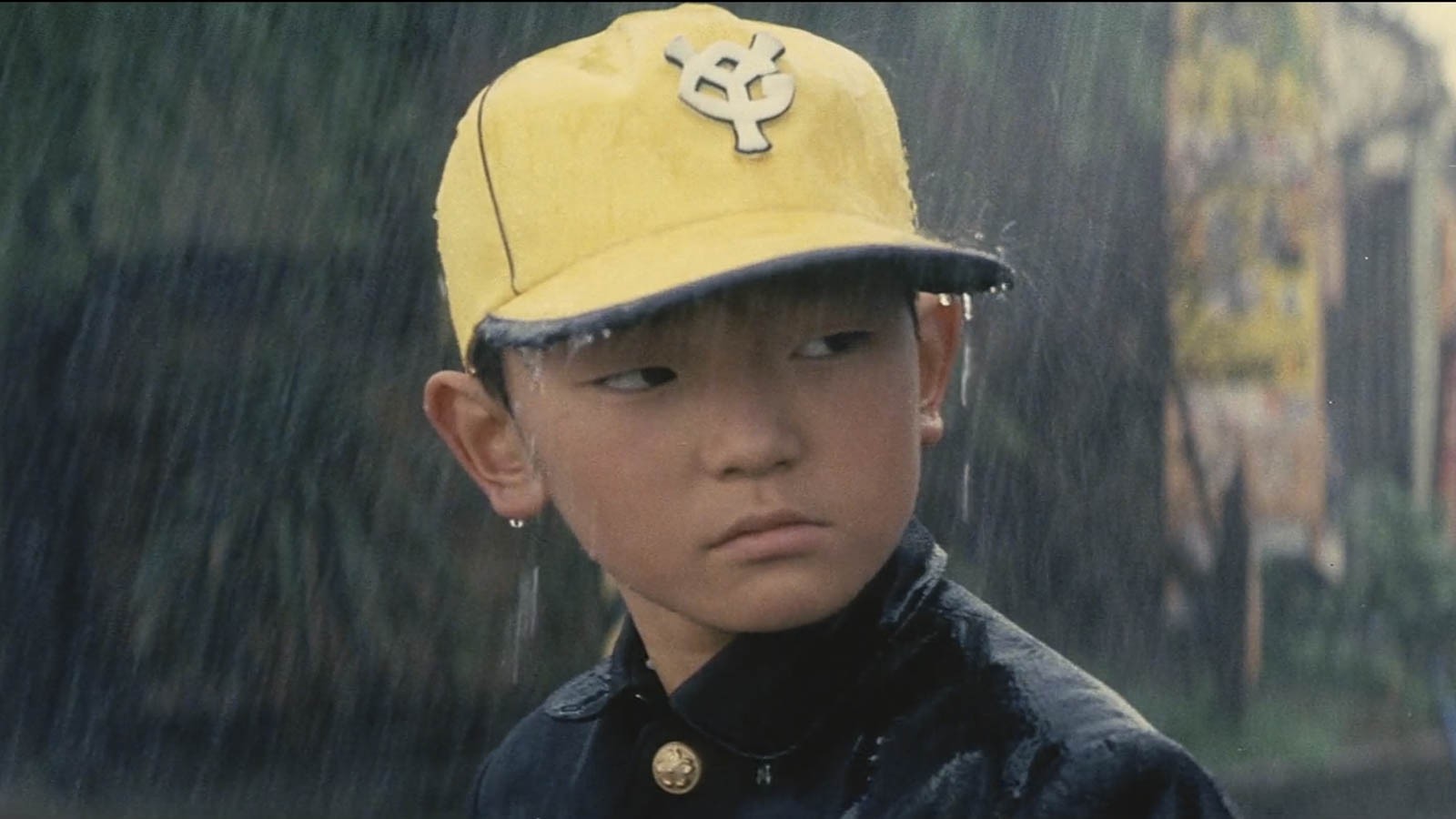
Image from Boy by Nagisa Ōshima
Nagisa Ōshima : l'ébullition des années 1960
Notre cycle consacré à Nagisa Ōshima, présenté en collaboration avec le Festival du nouveau cinéma, est l’occasion de redécouvrir certains films de la première période de son œuvre, dans les années 1960, avant qu’il ne réalise ses titres fameux des décennies suivantes. Nous présentons cinq œuvres parmi cette période féconde : Cruel Story of Youth (1960), Death by Hanging (1968), Diary of a Shinjuku Thief (1969) et Boy (1969), ainsi qu’un moyen métrage qui est un film de commande, A Small Child’s First Adventure (1963).
Presented in collaboration with