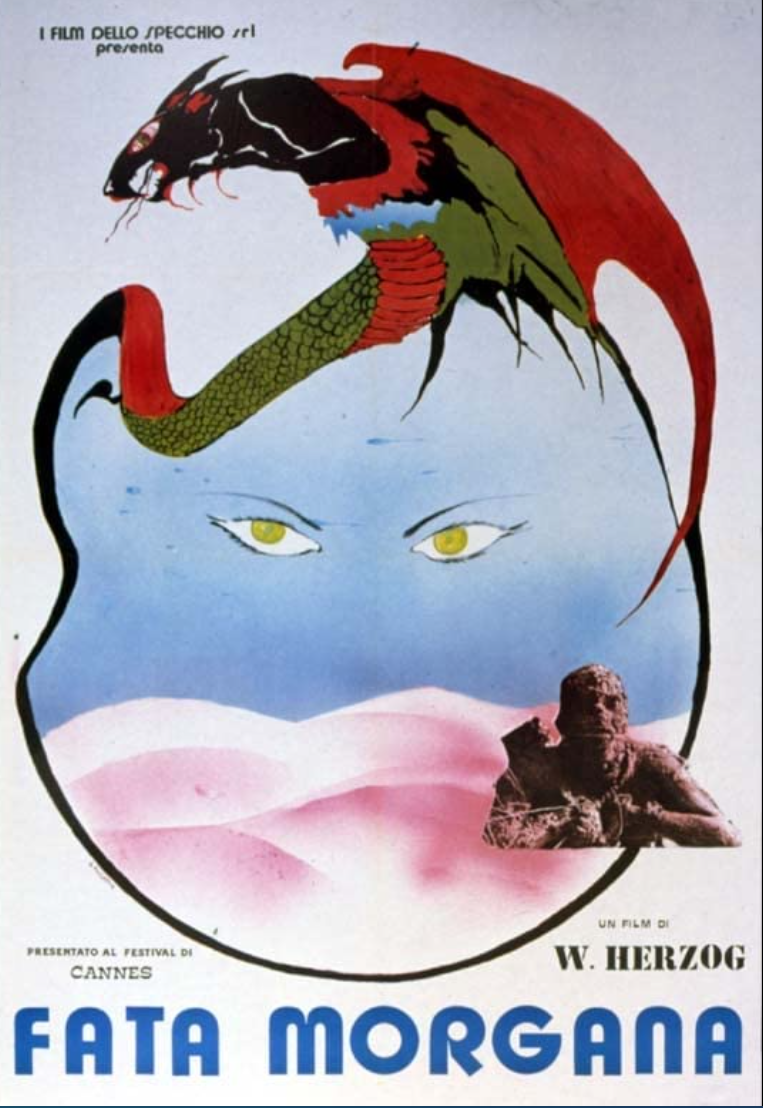
Fata Morgana
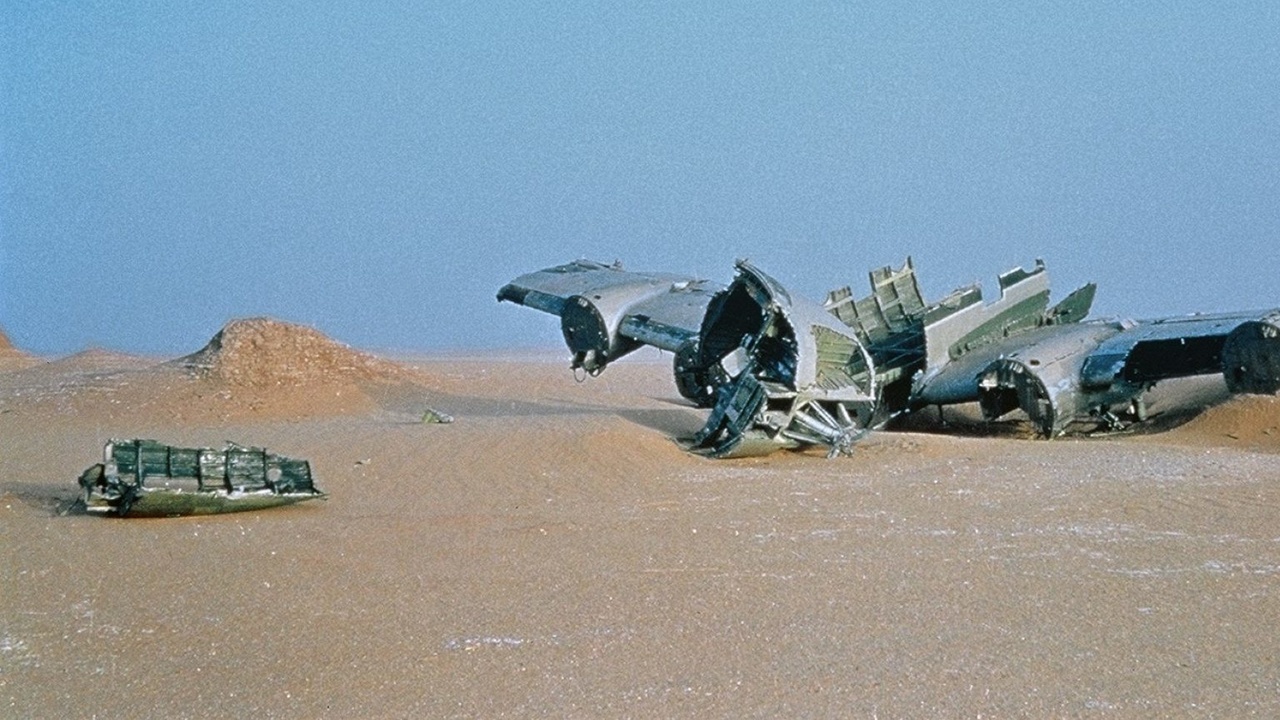
This cycle offers an opportunity to revisit the first period in the work of the prolific Werner Herzog, when he was establishing himself as one of the great names of new German cinema. From Bavaria to the Sahara, the filmmaker was already alternating between fiction and documentary to explore the themes that would be central in his work. With a dark romanticism, a biting eye and an epic breath, he examines the extreme experiences of existence, from ecstatic quests to the tipping point into madness, via the otherness of beings and the hostility of wide-open spaces.
Shot in the Sahara and West Africa, Fata Morgana is, in Herzog's words, "a film about Creation, Paradise and the Golden Age".
Werner Herzog
Werner Herzog is a German filmmaker, actor, opera director, and author. Regarded as a pioneer of New German Cinema, his films often feature ambitious protagonists with impossible dreams, people with unusual talents in obscure fields, or individuals in conflict with nature. His style involves avoiding storyboards, emphasizing improvisation, and placing his cast and crew into real situations mirroring those in the film they are working on. He started to work on his first film Herakles in 1961, when he was 19. Since then he has produced, written, and directed more than 60 feature films and documentaries, such as such as Aguirre, the Wrath of God (1972), The Enigma of Kaspar Hauser (1974), Heart of Glass (1976), Stroszek (1977), Nosferatu the Vampyre (1979), Fitzcarraldo (1982), Cobra Verde (1987), Lessons of Darkness (1992), Little Dieter Needs to Fly (1997), My Best Friend (1999), Invincible (2000), Grizzly Man (2005), Encounters at the End of the World (2007), Bad Lieutenant: Port of Call New Orleans (2009), and Cave of Forgotten Dreams (2010). He has also published over 12 books of prose and directed many operas. French filmmaker François Truffaut once called him "the most important film director alive".