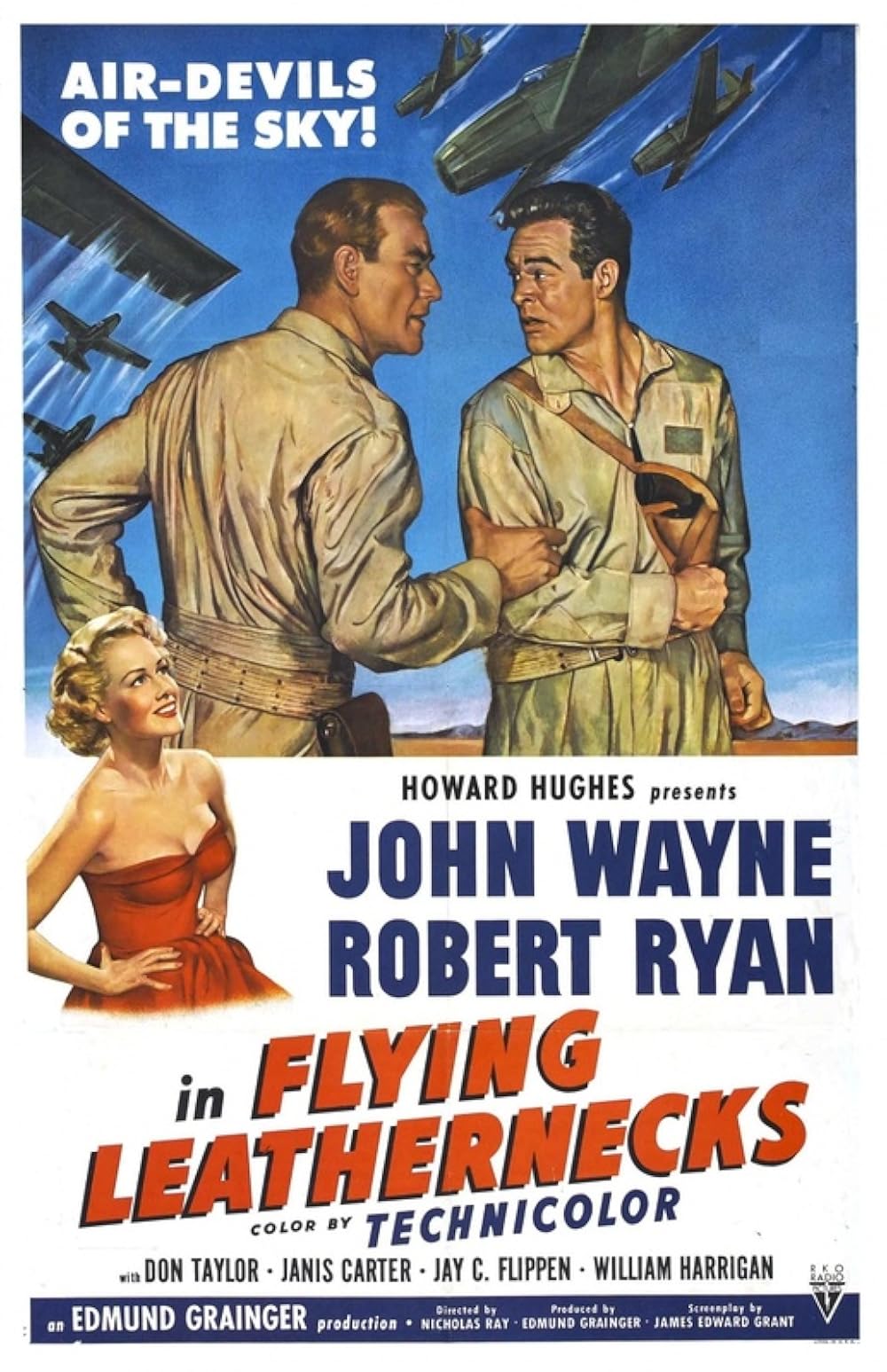
Flying Leathernecks
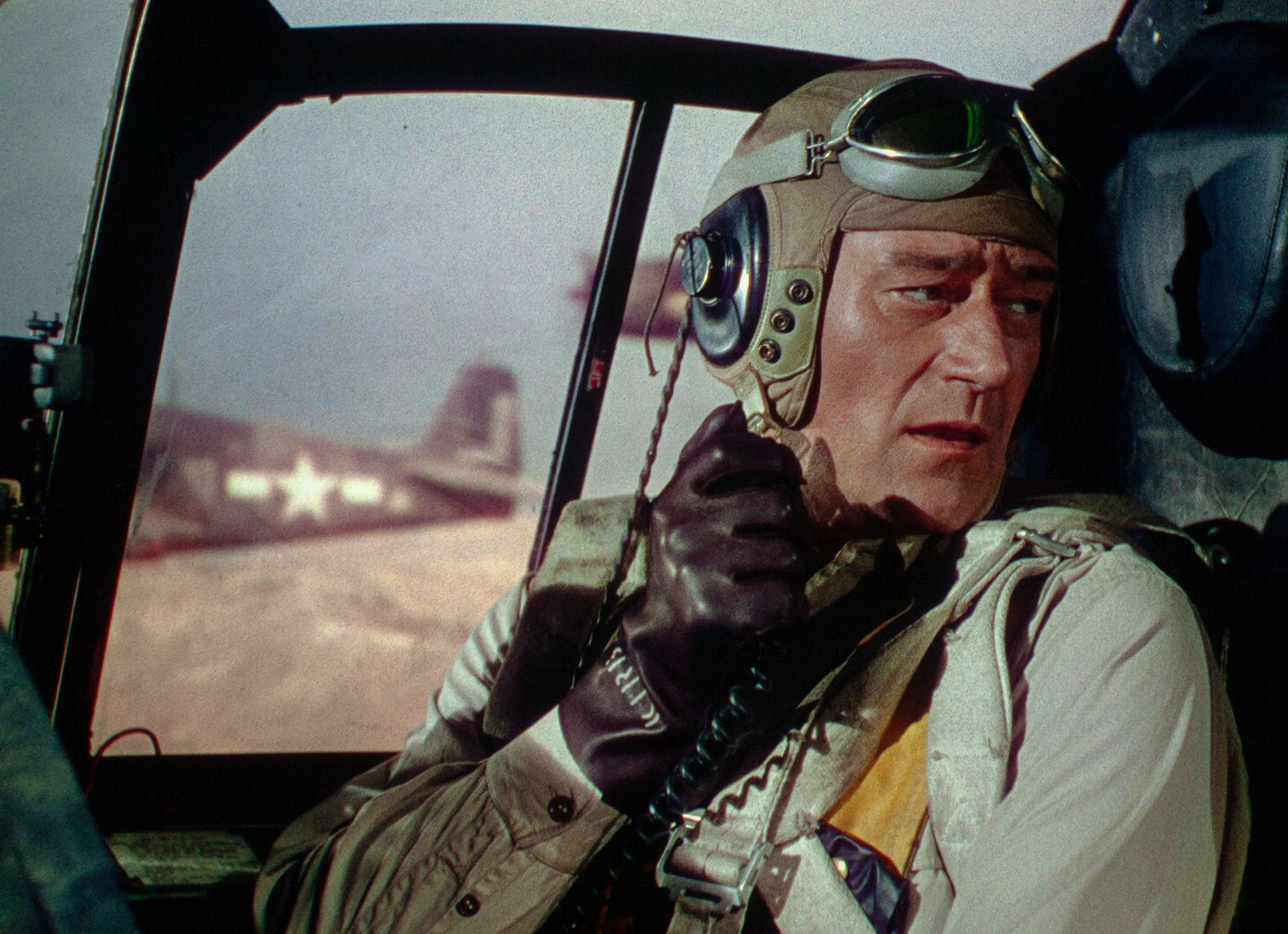
Cinema and aviation took their first steps and took off around the same time. In their own way, the marvelous modern machines that are cameras and airplanes brought humans closer to their dreams. It’s no surprise then that filmmakers became fascinated with aerial feats and those bold enough to conquer the skies.
Guest programmer : John Harbour
During the Battle of Guadalcanal in 1942, Major Dan Kirby is appointed squadron commander. Judging his team to be undisciplined, he decides to rule the roost, to the disapproval of Carl Griffin, a captain whom the team preferred to Kirby. The two come into conflict, and the team refuses to follow orders.
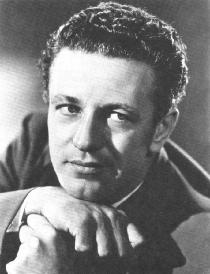
Nicholas Ray
Nicholas Ray was an American film director, screenwriter, and actor. Described by the Harvard Film Archive as "Hollywood's last romantic" and "one of postwar American cinema’s supremely gifted and ultimately tragic filmmakers," Ray was considered an iconoclastic auteur director who often clashed with the Hollywood studio system of the time, but would prove highly influential to future generations of filmmakers. His best-known work is the 1955 film Rebel Without a Cause, starring James Dean. He is appreciated for many narrative features produced between 1947 and 1963, including They Live By Night (1948), In A Lonely Place (1950), Johnny Guitar (1954), Bigger Than Life (1956), and King of Kings (1961), as well as an experimental work produced throughout the 1970s titled We Can't Go Home Again, which was unfinished at the time of Ray's death. His compositions within the CinemaScope frame and use of color are particularly well regarded and he was an important influence on the French New Wave, with Jean-Luc Godard famously writing in a review of Bitter Victory, "... there is cinema. And cinema is Nicholas Ray."
Explore
On our blog
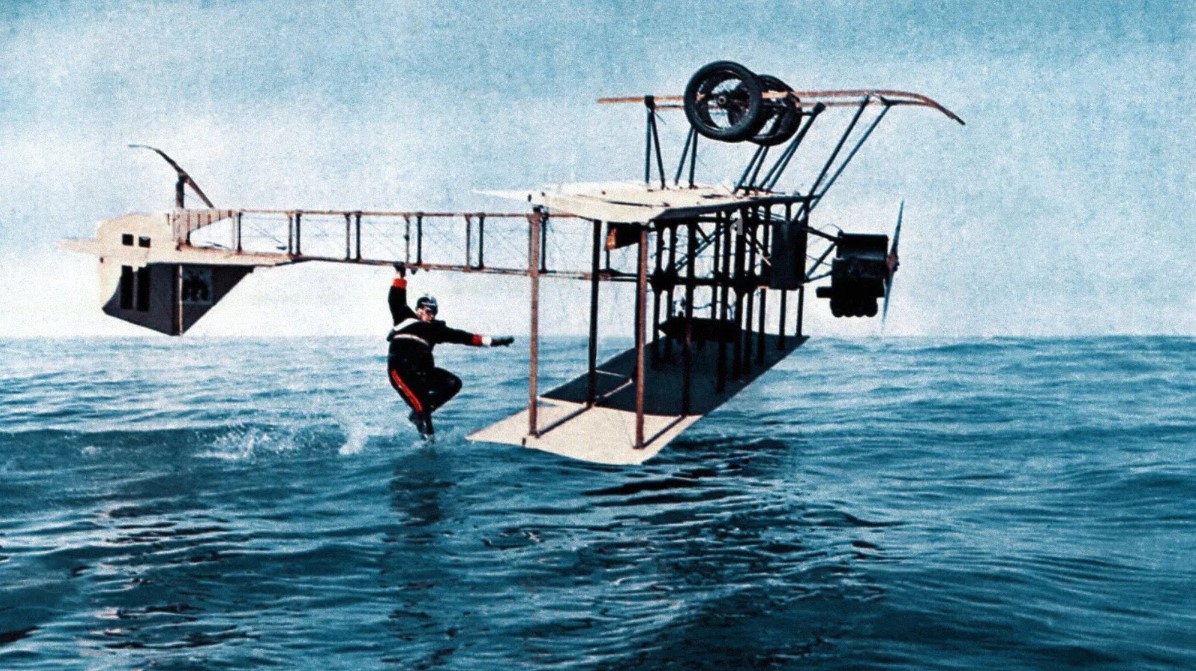
Aventures aériennes
John Harbour, programmateur invité du cycle Aventures aériennes, nous partage sa passion pour l'aviation et ses réflexions sur la façon dont elle a fait rêver l'humanité comme le cinéma.