Foxy Brown
Action! If there’s one word associated with cinema, the tension of movie sets, and the focus of attention, it’s this one. Action is very often at the heart of popular cinema: Harold Lloyd hanging from the clock hands in Safety Last! (1923), Cary Grant threatened and strafed by a plane in North by Northwest (1959), Franka Potente gasping for air in Run Lola Run (1998)... Westerns, swashbuckler films, martial arts or adventure flicks, thrillers, all these genres rely on action—sometimes frenetic, sometimes meticulously measured.
From movies by Sergei Eisenstein to Gilles Carle, from John Ford to John Boorman and Werner Herzog, via Paul Verhoeven, Kathryn Bigelow, Park Chan-wook, Érik Canuel, and Nicolas Winding Refn, this series will take you through the full range of emotions, from laughter to thrills, from fear to satisfaction.
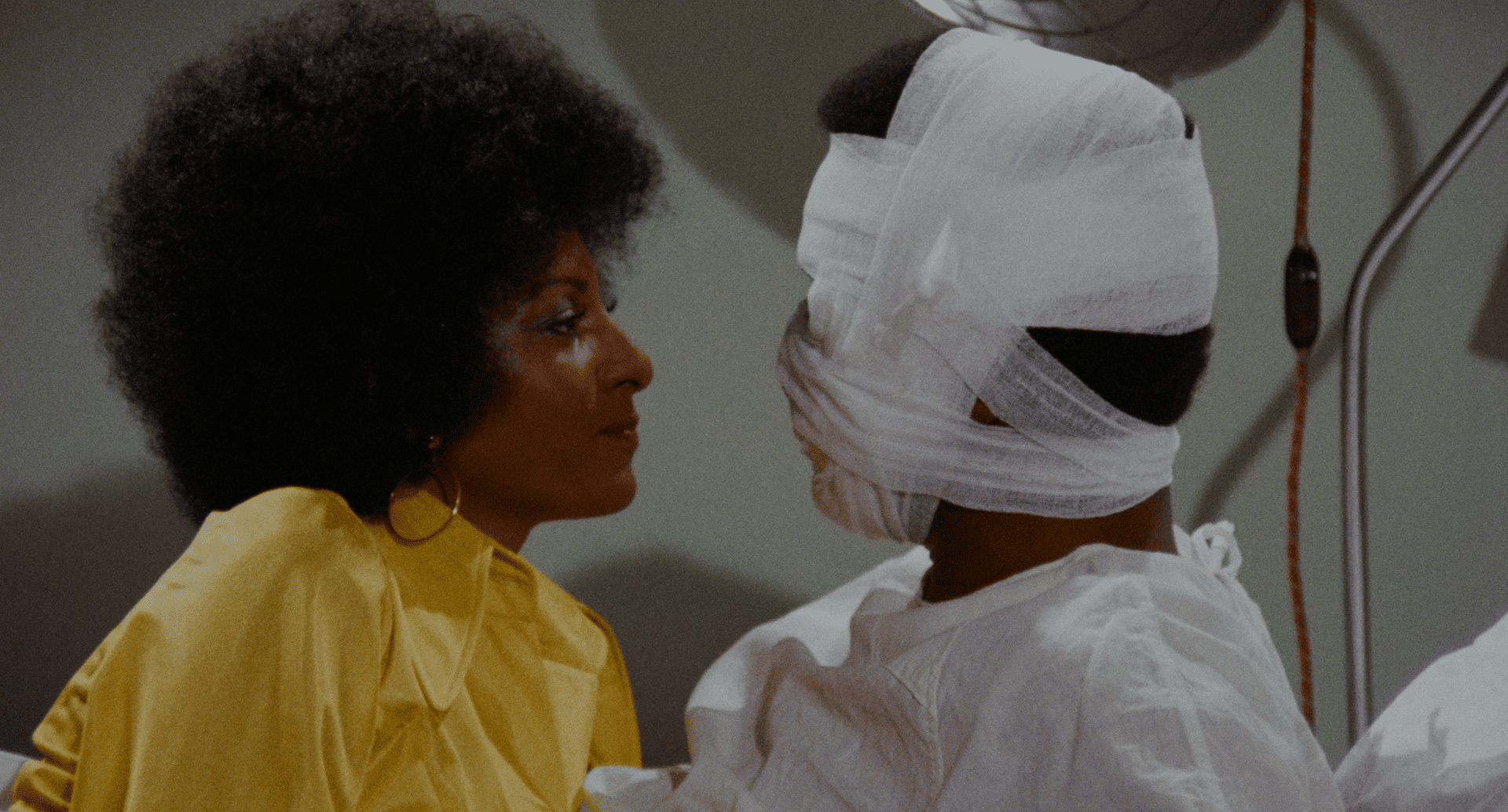
Foxy Brown wants to avenge her boyfriend, a government agent killed by a gangster.

Jack Hill
Jack Hill is an American filmmaker, known for his work in the exploitation genre. He was an early associate of Francis Ford Coppola and Roger Corman, and worked on many films during the 1960s and 1970s. His directorial works include Spider Baby (1967), Pit Stop (1969), The Big Doll House (1971), Coffy (1973), Foxy Brown (1974), and Switchblade Sisters (1975). He is also credited with helping cultivate the careers of actors Pam Grier, Sid Haig, and Ellen Burstyn. Quentin Tarantino described him as “the Howard Hawks of exploitation filmmaking”.