Frankenstein
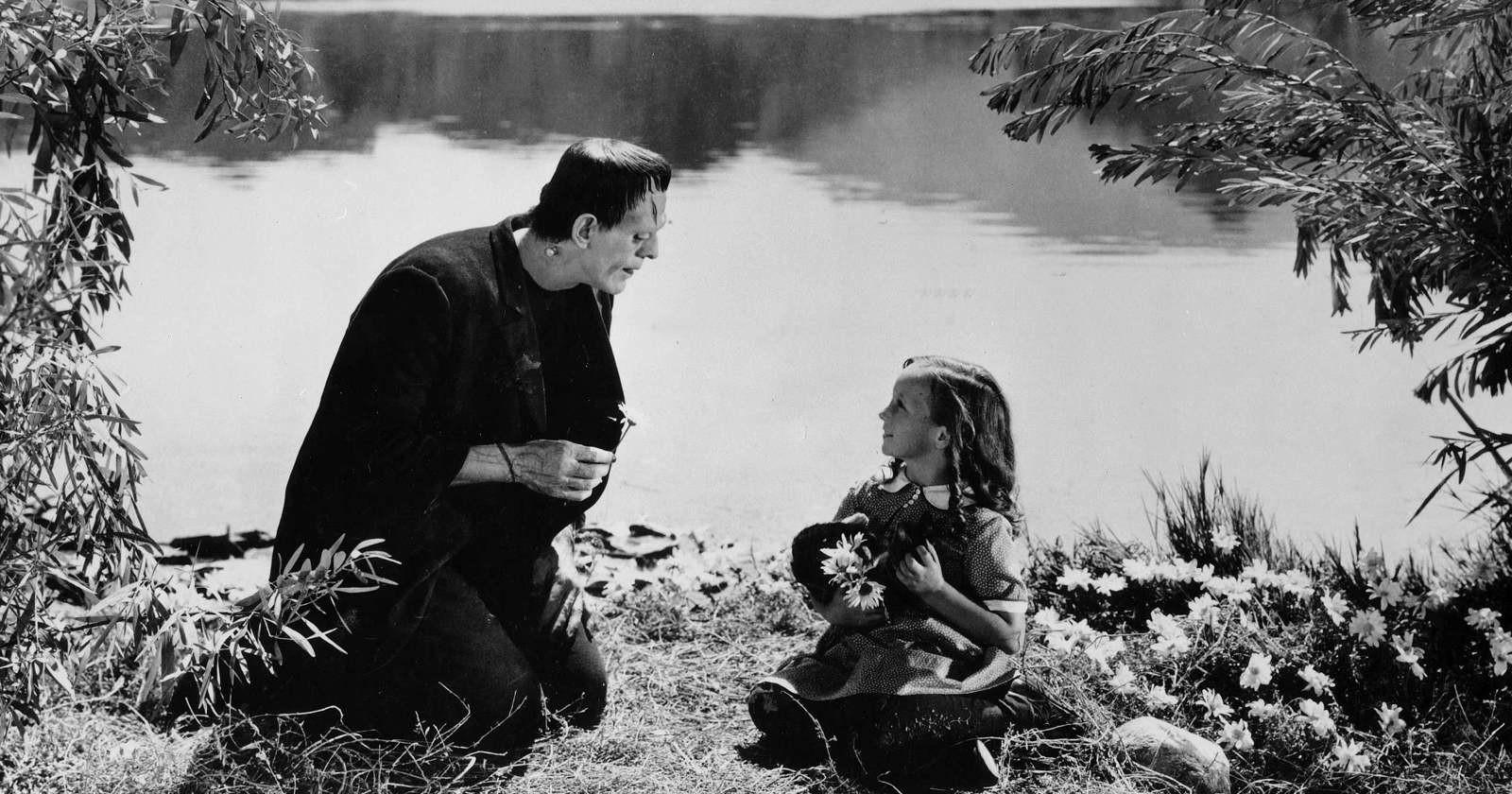
Cinema is a screen onto which we can project our fears, torments and the monstrosities of the world. The screen protects us from what we see, but cinema has also permanently anchored our nightmares around a few powerful images (empty houses, hostile attics and basements, demonic masks, bloodcurdling grimaces, disturbing postures). Throughout the summer, the Cinémathèque québécoise will be presenting a series of films encompassing more than one hundred and twenty years of horror, reminding us that what scares us most is to make the deepest of our fears tangible and credible.
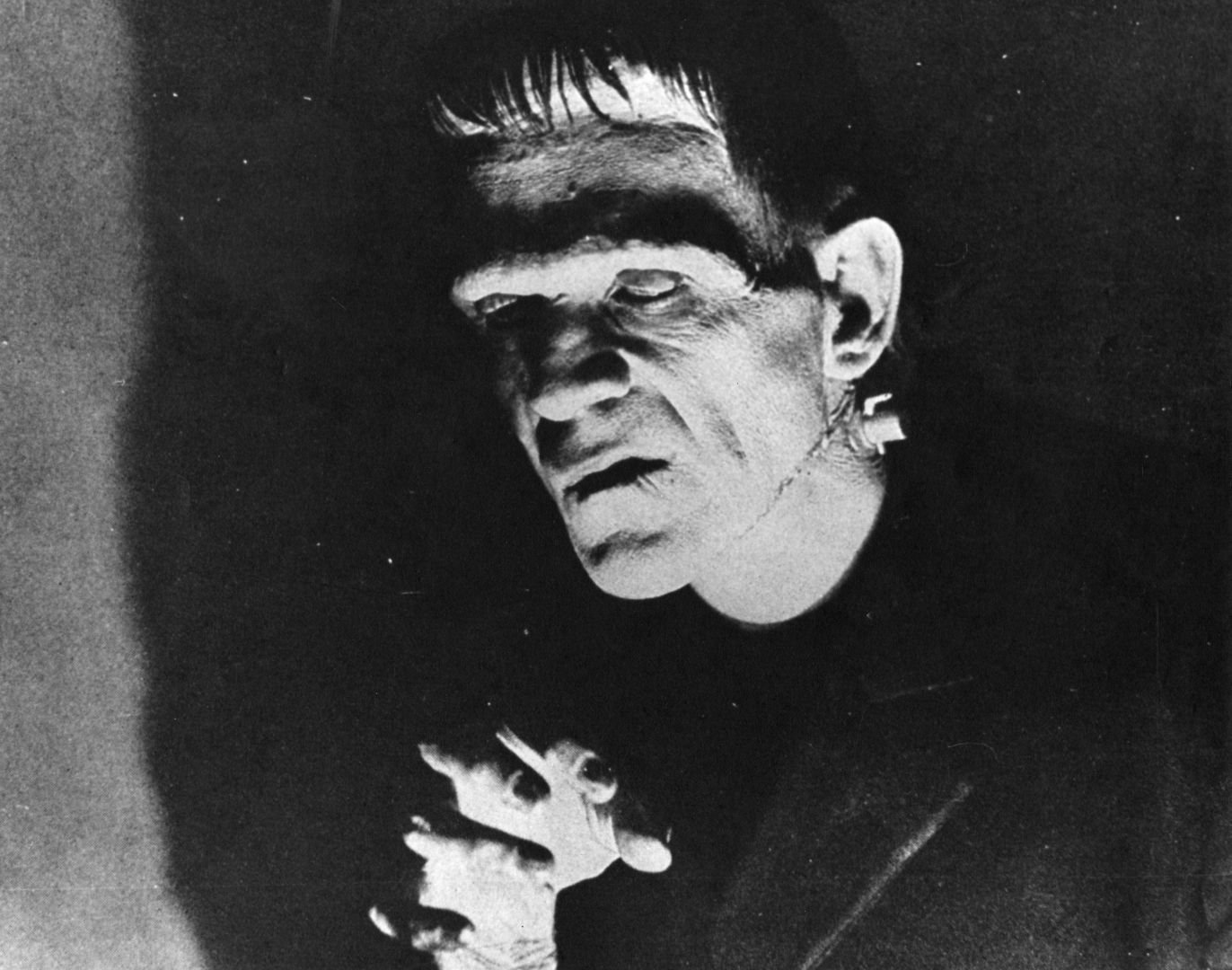
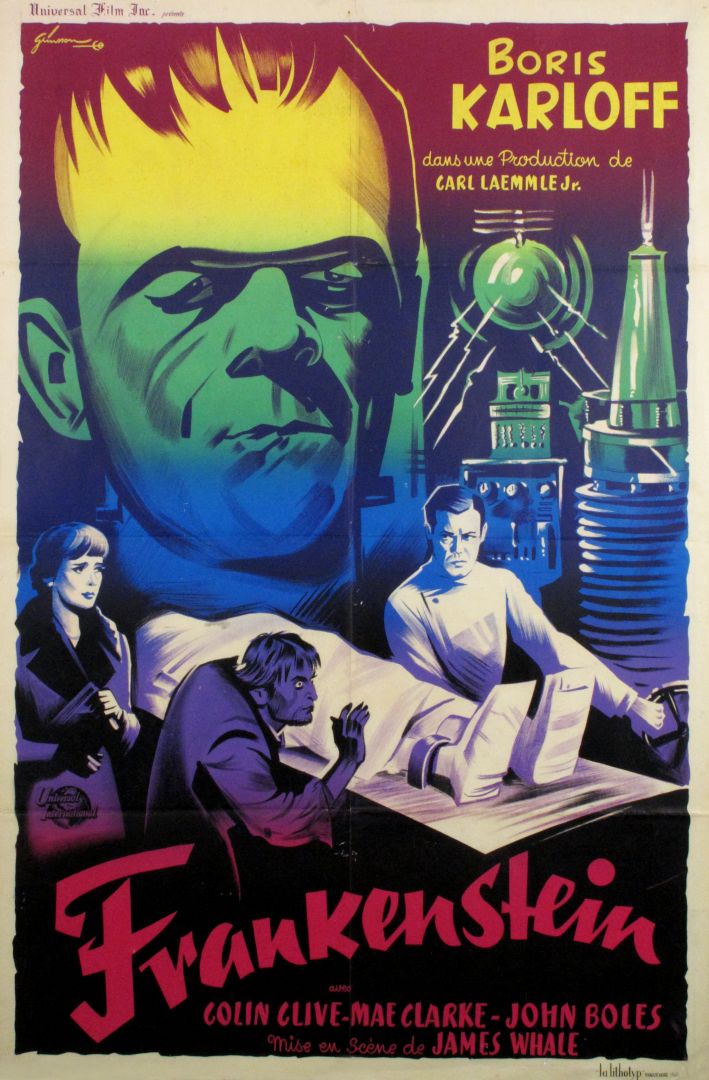
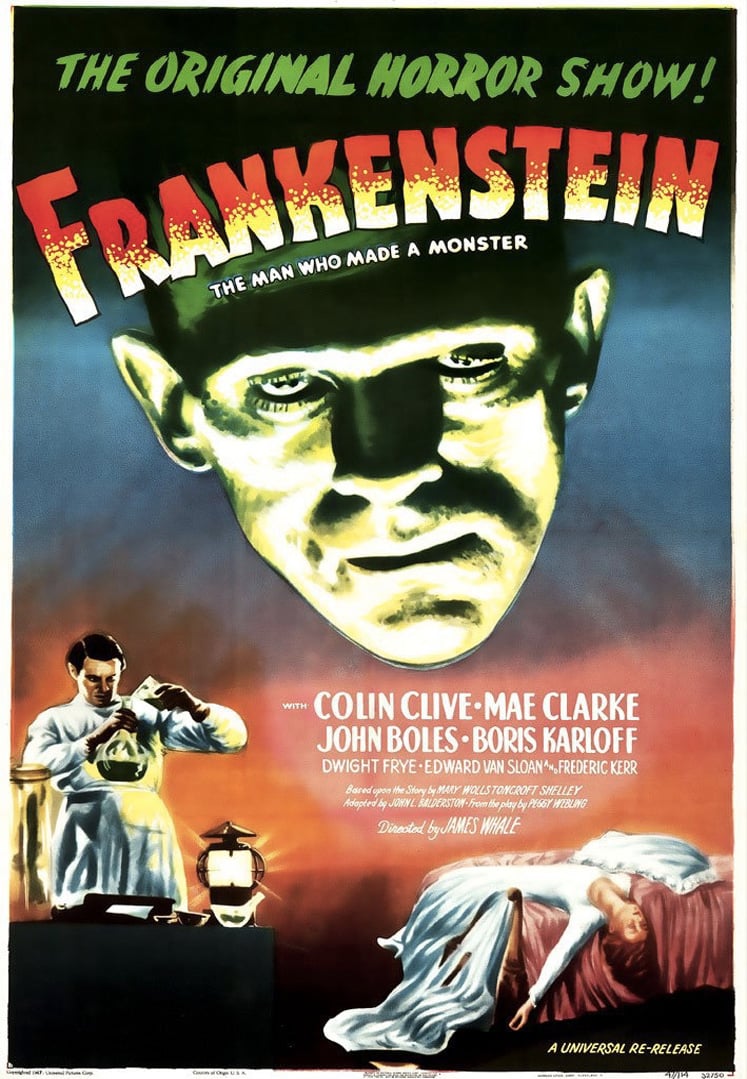
A crazed scientist named Henry Frankenstein creates a living being from body parts of dead bodies, not realizing it has a madman's brain. Based on the novel by Mary Shelley.
James Whale
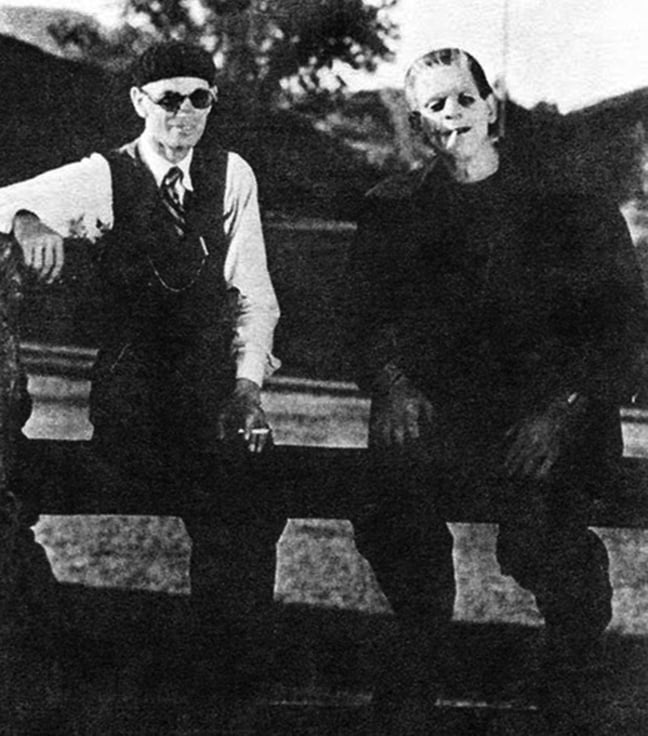
James Whale was a British film director, known for directing several horror classics like Frankenstein (1931), The Old Dark House (1932), The Invisible Man (1933) and Bride of Frankenstein (1935), as well as the musical, Show Boat (1936). Early in his career, he juggled various odd jobs before gradually discovering a passion for drawing and painting. When World War I broke out, he was only 25 years old. Whale enlisted in the army and was later captured by the German forces. While imprisoned, he discovered the joy of amateur theater, an experience that proved to be a revelation for him. However, it wasn't until he was 40 years old that he had the chance to direct a play for the first time, Journey's End. The play was so successful that he was invited to stage it on Broadway, where it was triumphantly received, and then to adapt it in Hollywood. With the advent of talkies, California studios were turning to the theater for dialogue writers. Whale was hired by Paramount. Universal then trusted him to direct the adaptation of Mary Shelley's novel Frankenstein. He directed a dozen films for the company, developing a style characterized by the influence of German Expressionism and a highly mobile camera.
Explore