From Saturday to Sunday
During the last ten years, the Czech National Film Archive (Národní filmový archiv) has restored three major works by filmmaker Gustav Machatý. These films feature fiercely independent women exploring their desire and sensuality in ways that would have been unthinkable to show on the big screen at the time. The subversive nature of these films is still felt today, and this is a wonderful opportunity to (re)discover these cinematic gems in all their glory, characterized by dynamic editing and ingenious shots from one of cinema’s most innovative artists.
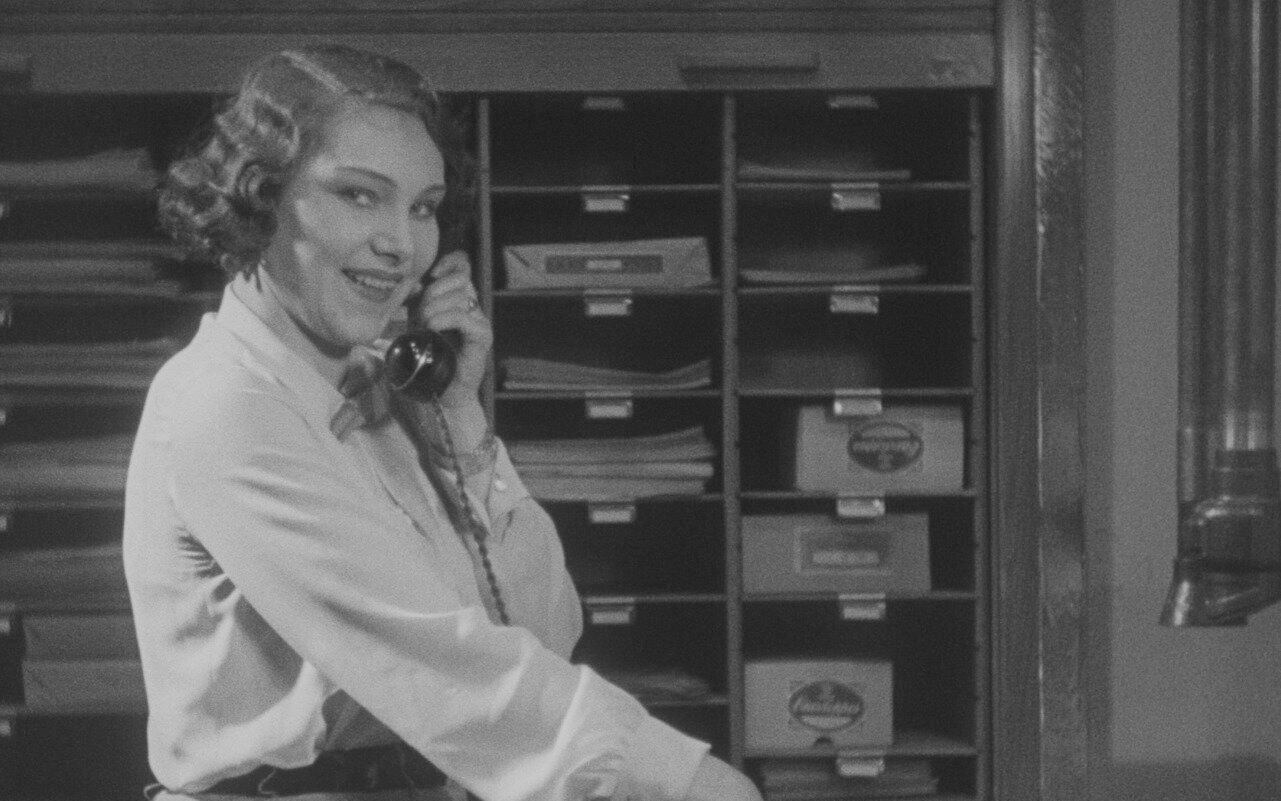
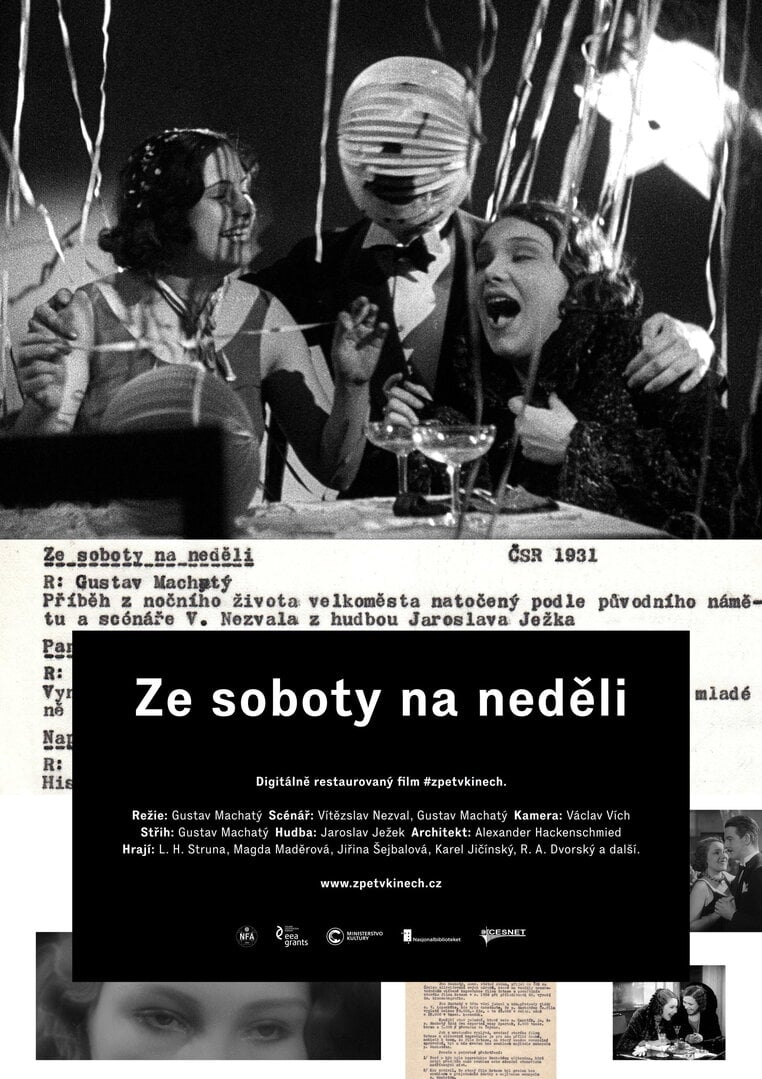
This psychological drama tells the story of two stenographers who, after a tedious week of office work, seek to escape their daily routine on a Saturday night. Gustav Machatý’s first sound film blends realism with a poetic vision, while boldly experimenting with sound and film language. Progressive for its time, both thematically and stylistically, the film features jazz melodies by Jaroslav Ježek and was directed from a screenplay co-written with the great writer Vítězslav Nezval, co-founder of Poetism. Restored in 2016.
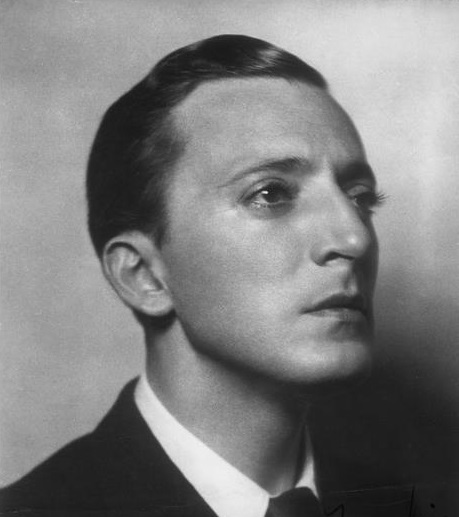
Gustav Machatý
Gustav Machatý was a Czech film director, screenwriter and actor. He started to work in movies as a teenager and directed his first film in 1919. In 1920 he moved to the US, worked for Universal Pictures and returned to Czechoslovakia in 1922. In 1926, he finally managed to secure funds for his movie The Kreutzer Sonata. The film’s success led him to get offers to direct. He spent two years studying foreign movies and entered the period in which he created the best movies of his career. He made a symbolist drama Erotikon (1929), the social drama From Saturday to Sunday (1931), an adaptation of Karel Poláček's novel, Načeradec, král kibiců (1931), and his best-known film Ecstasy (1933). The latest was screened at the Venice Film Festival and made both Machatý and its lead actress Hedy Lamarr internationally famous. They both received offers to work for Metro-Goldwyn-Mayer. After making Nocturno in Germany and Ballerine in Italy, he decided to accept the offer and traveled to the US. However, his American career consisted mainly of low-level contract work for the studio and MGM producers didn't show interest in his ideas. He worked for RKO from 1940 to 1943, directing only camera test footage with starting actors. In 1945, he managed to direct Jealousy for a smaller production company, Republic Pictures. After the death of his wife, he returned to Europe and settled in Munich, West Germany. He directed his last movie in 1955.