Hell No Longer
This recurring program showcases works from Québec’s audiovisual heritage, digitized and restored by the Cinémathèque québécoise, or thanks to its contribution. Since 2018, we have restored around fifty independent films thanks to the support of the Ministère de la Culture et des Communications du Québec as part of its Digital Cultural Plan. Other works have been restored in collaboration with local or international cultural organisations, using elements preserved in our collections.
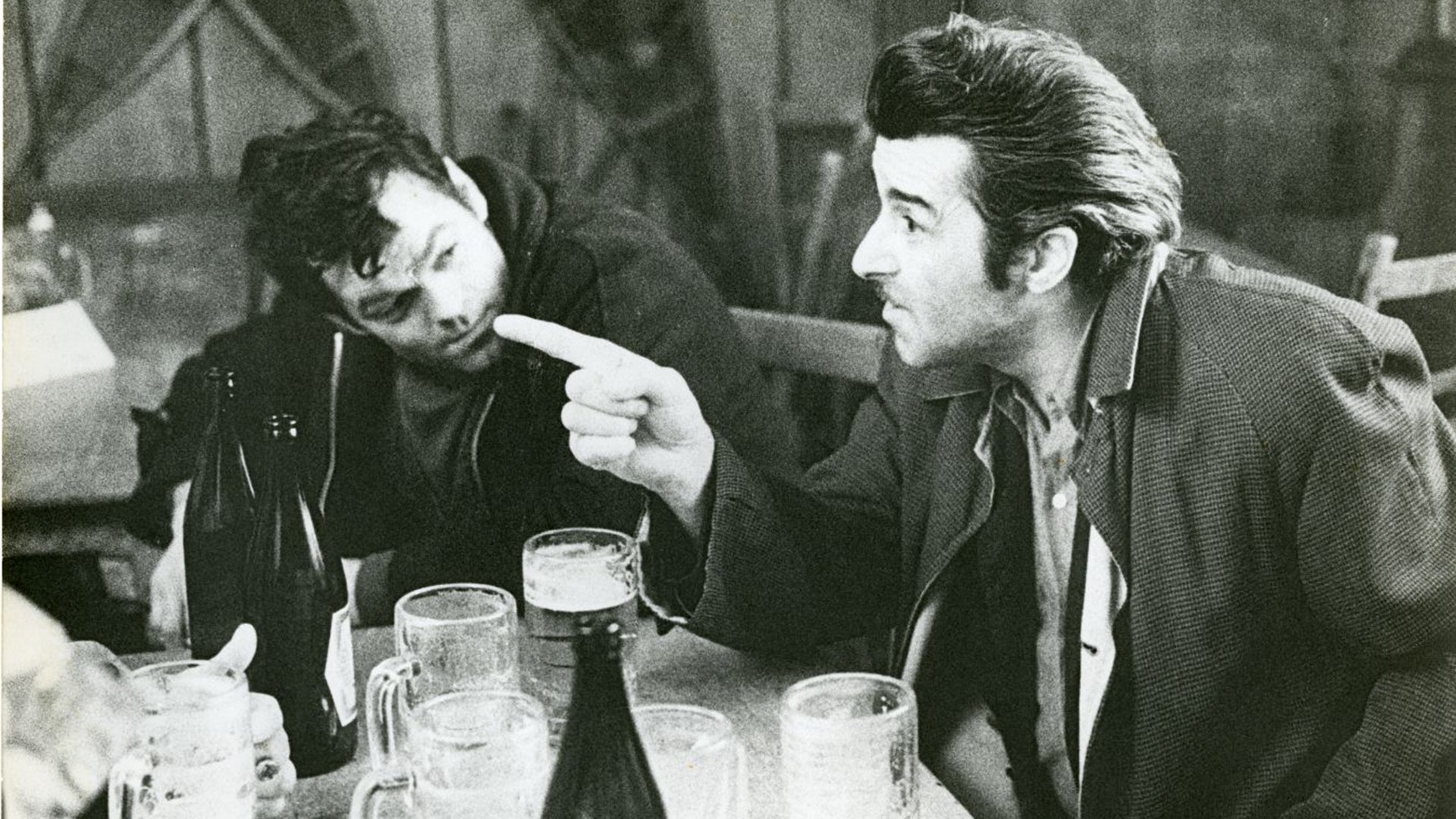
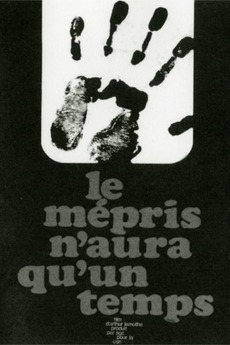
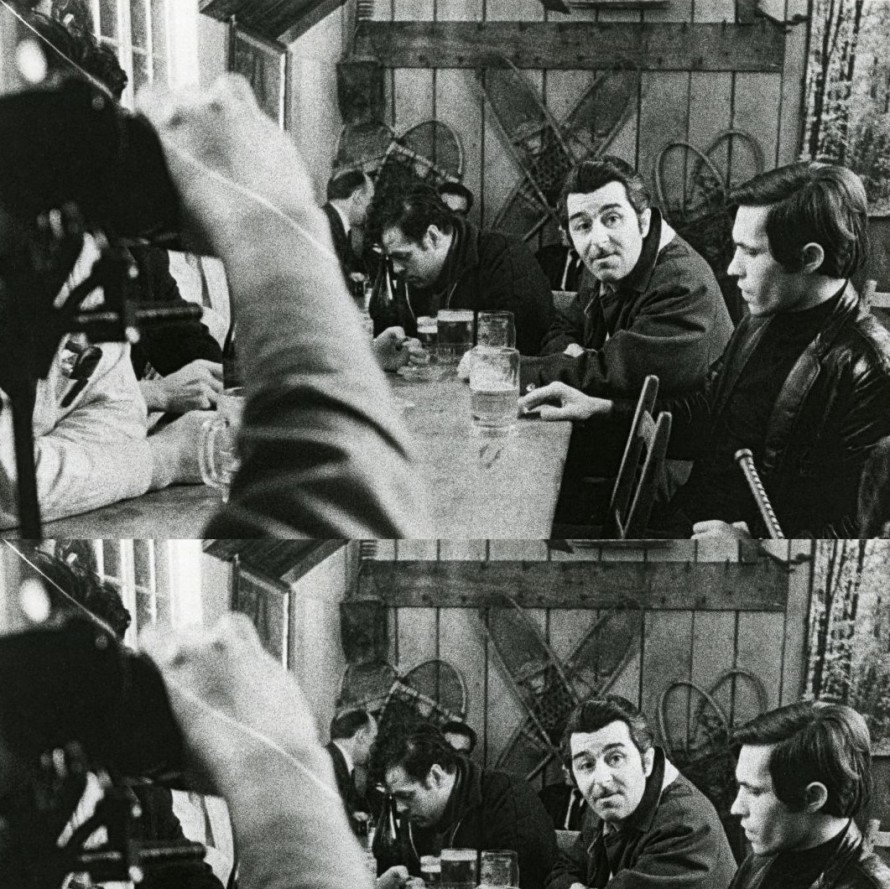
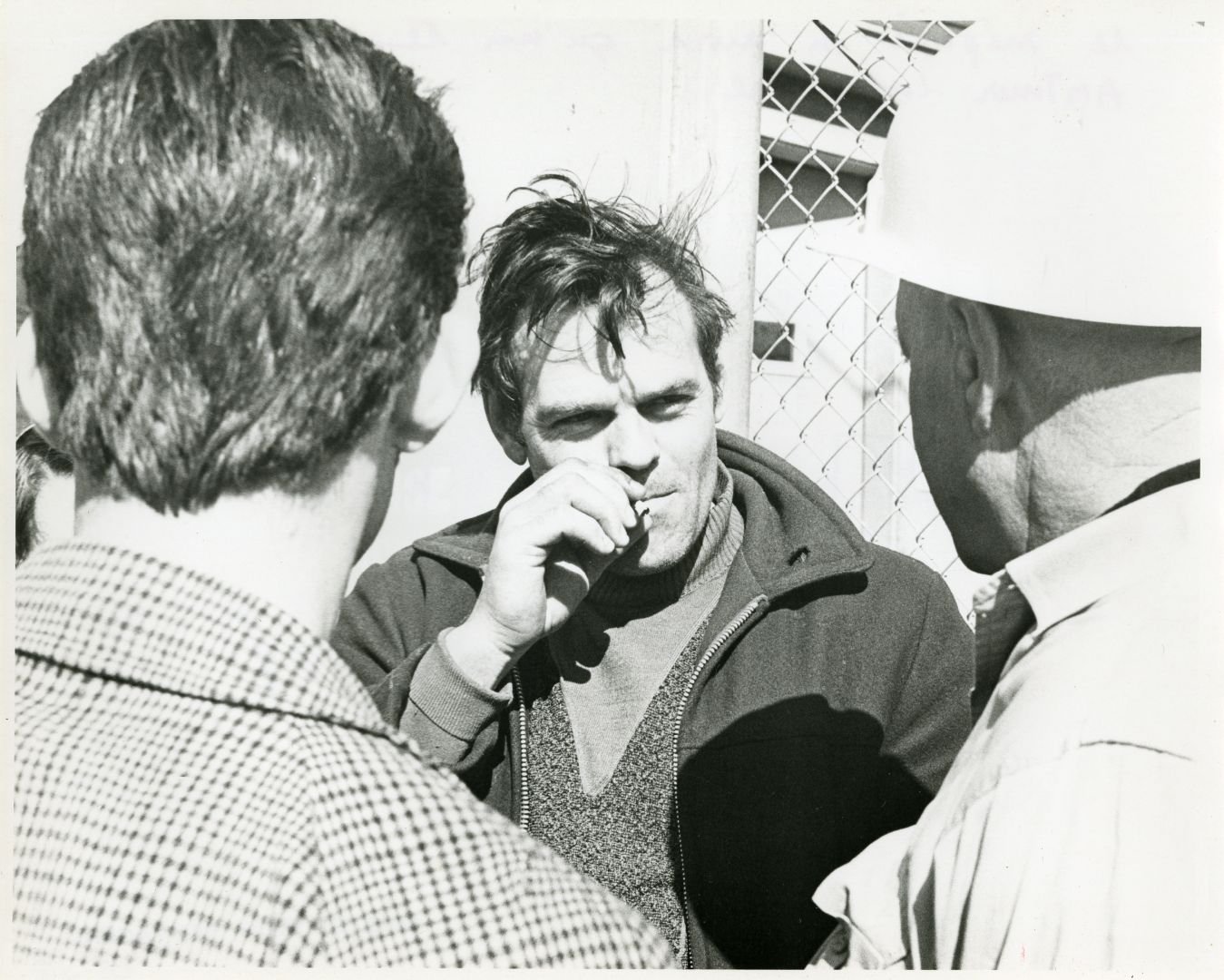
Construction workers denounce their working and living conditions in Montreal. Produced by the CSN, in tune with the times, a political film that bears witness to Lamothe's militant cinematic practice.
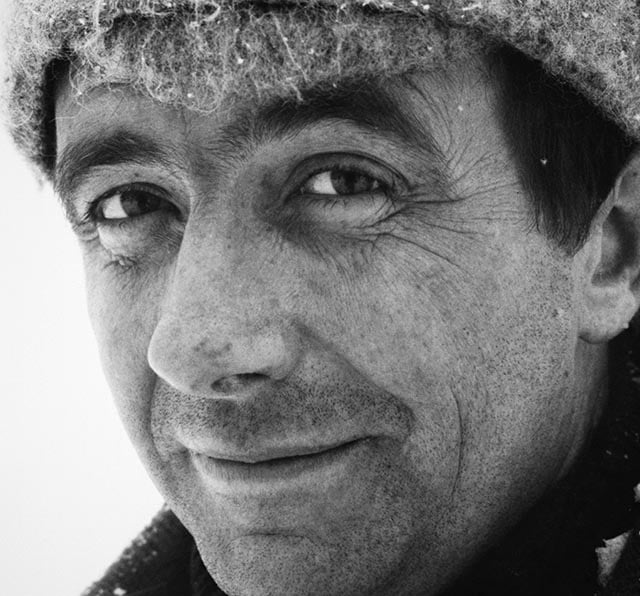
Arthur Lamothe
Born in Saint-Mont, France, Arthur Lamothe immigrated to Canada in 1953. In 1954 he began studying economics at the Université de Montréal. During his time as a student he became interested in cinema and began writing for several film publications. After graduating in 1958, he was immediately hired as a writer for Radio-Canada. In 1961 he was hired by the NFB and wrote Dimanche d'Amérique, his first screenplay, which became the first film by Gilles Carle. In 1962 he directed his first film, a short documentary entitled Bûcherons de la Manouane. Lamothe has only made a handful of fiction films during his career, and he is best known and most respected for his documentaries. In his films, Lamothe most frequently explored social and economic themes, as well as activism for issues he passionately supported, especially with regard to Aboriginal people. In 1980 he was awarded the Prix Albert-Tessier and in 1995 was made a member of the Order of Canada.
Explore
This restoration is part of the implementation of a measure in Quebec's Digital Cultural Plan.