Holy Smoke
Across eight feature films, New Zealand filmmaker Jane Campion has developed a strong, remarkably stylish signature, showcased through a series of powerfully intense female portraits. Much like the red hair of writer Janet Frame, whose flamboyance she immortalized in her second film, Campion's heroines are incandescent and untamed. Yet, this aspect does not define her body of work, which constantly delves deeper into her apprehension of a complex and ambiguous humanity, caught between its impulses and its constraints, as evidenced be the recent and masterful The Power of the Dog. This retrospective is also an occasion to rediscover the pioneer’s debut film, Sweetie, thanks to a brand-new restoration.
Winner of an award at the 1999 Venice International Film Festival
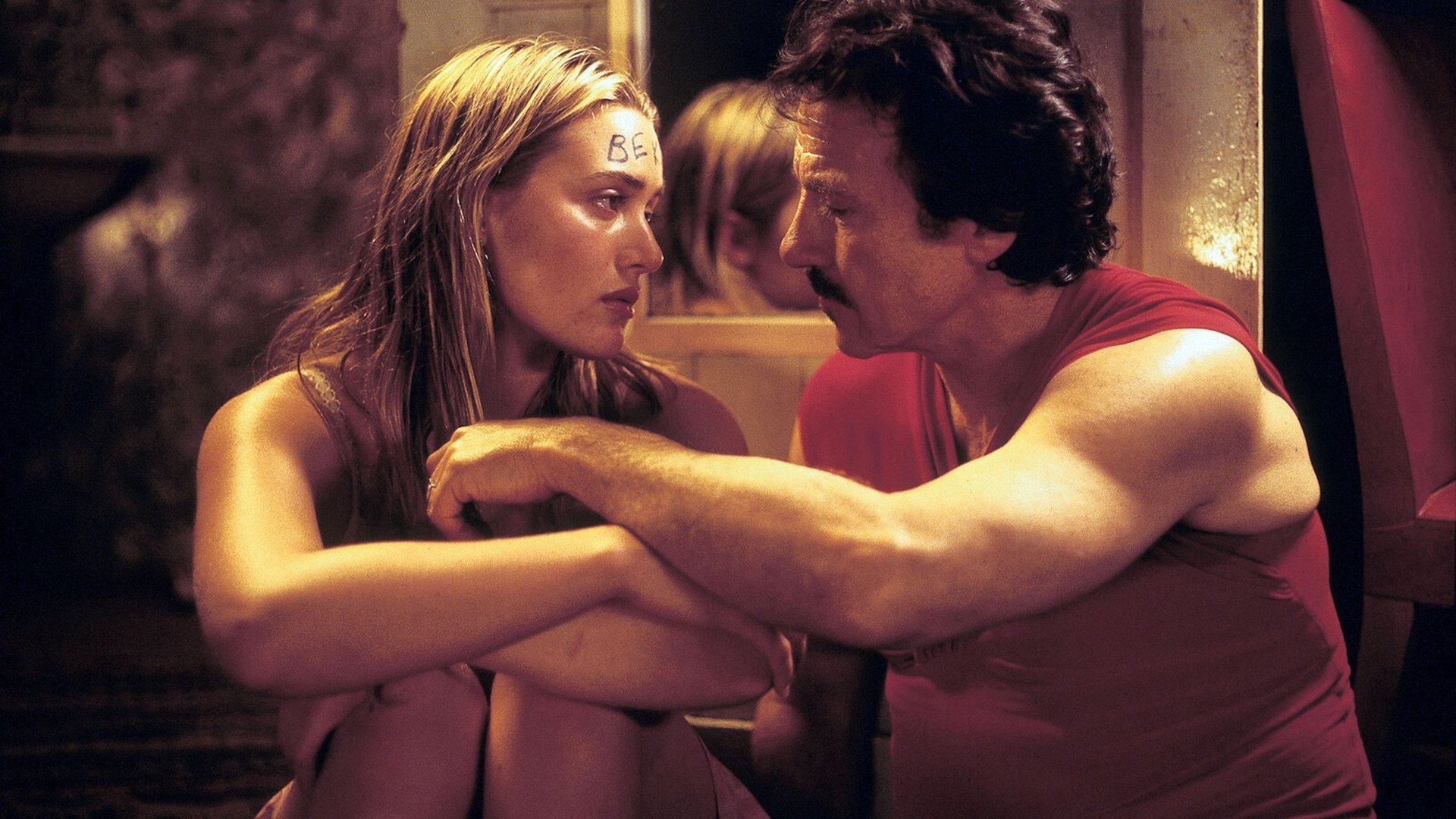
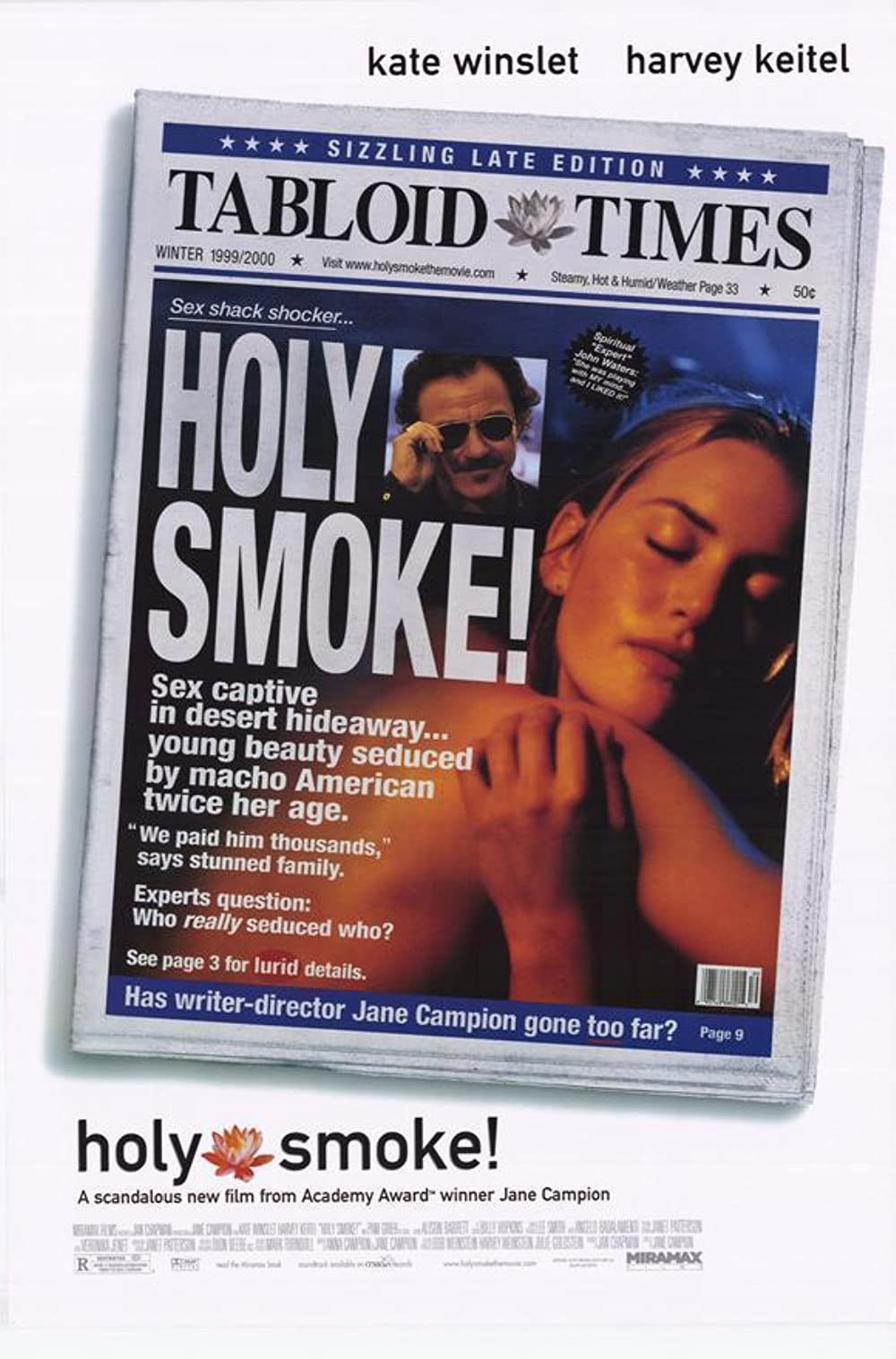
Ruth, a young Australian woman, comes under the influence of a guru during a trip to India. Concerned for her, her mother calls on P.J. Waters, an American specialist in spiritual deprogramming. He quickly falls in love with Ruth and things don't turn out as he would have liked.
Jane Campion
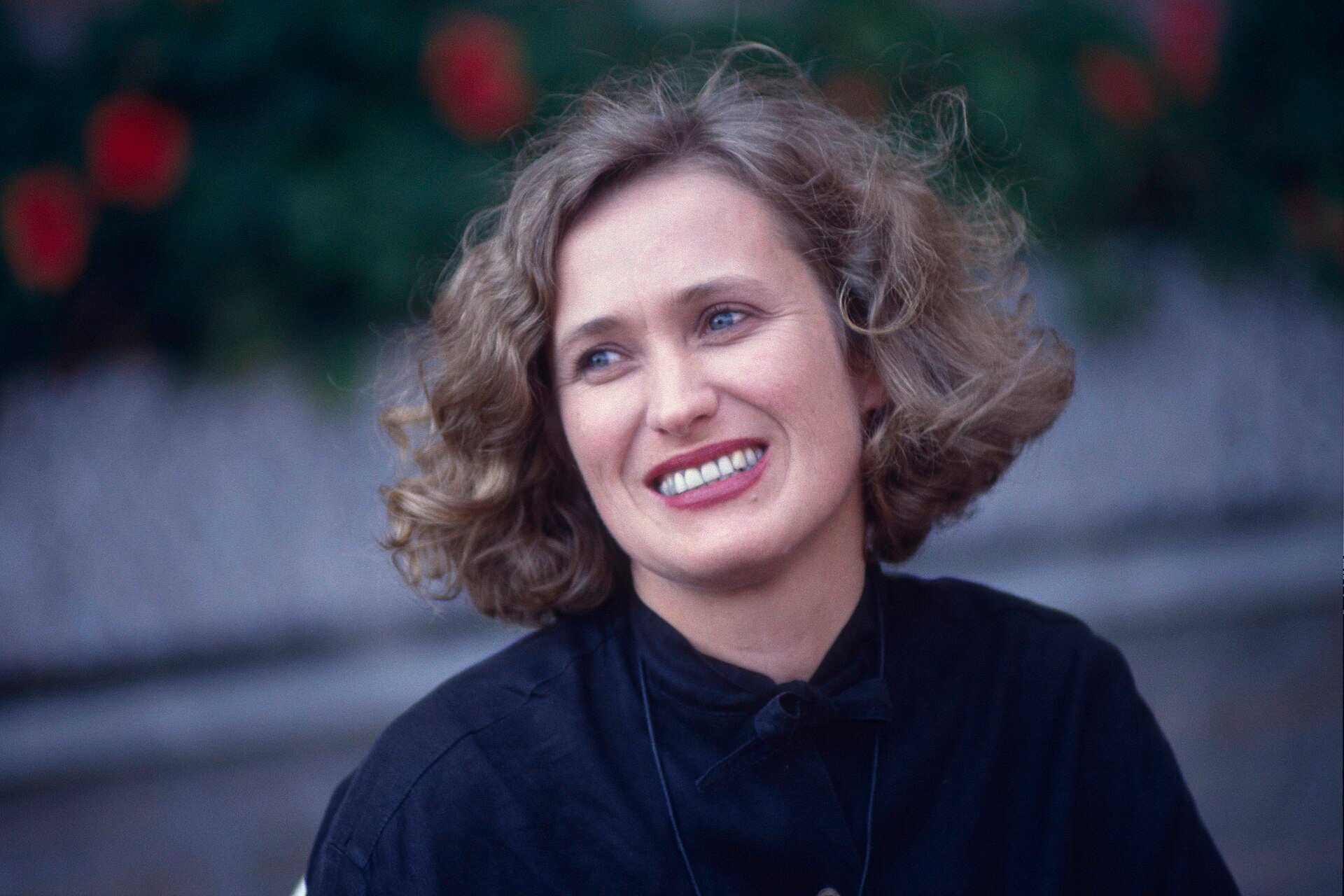
Jane Campion is a New Zealand director and screenwriter. Best known for her films that explore rebellion and often feature outsider women in leading roles, she is regarded as one of the most prominent female filmmakers in contemporary cinema. In 1993, she won the Palme d'or at the Cannes Film Festival for her film The Piano, becoming the first female director in history to receive the award. In May 2014, she became the first woman to preside over the Cannes jury. She is also the first woman to be twice nominated for the Academy Award for Best Director, initially in 19934 for The Piano, and again in 2022 for The Power of the Dog, for which she ultimately won.