Ichi the Killer
Action! If there’s one word associated with cinema, the tension of movie sets, and the focus of attention, it’s this one. Action is very often at the heart of popular cinema: Harold Lloyd hanging from the clock hands in Safety Last! (1923), Cary Grant threatened and strafed by a plane in North by Northwest (1959), Franka Potente gasping for air in Run Lola Run (1998)... Westerns, swashbuckler films, martial arts or adventure flicks, thrillers, all these genres rely on action—sometimes frenetic, sometimes meticulously measured.
From movies by Sergei Eisenstein to Gilles Carle, from John Ford to John Boorman and Werner Herzog, via Paul Verhoeven, Kathryn Bigelow, Park Chan-wook, Érik Canuel, and Nicolas Winding Refn, this series will take you through the full range of emotions, from laughter to thrills, from fear to satisfaction.
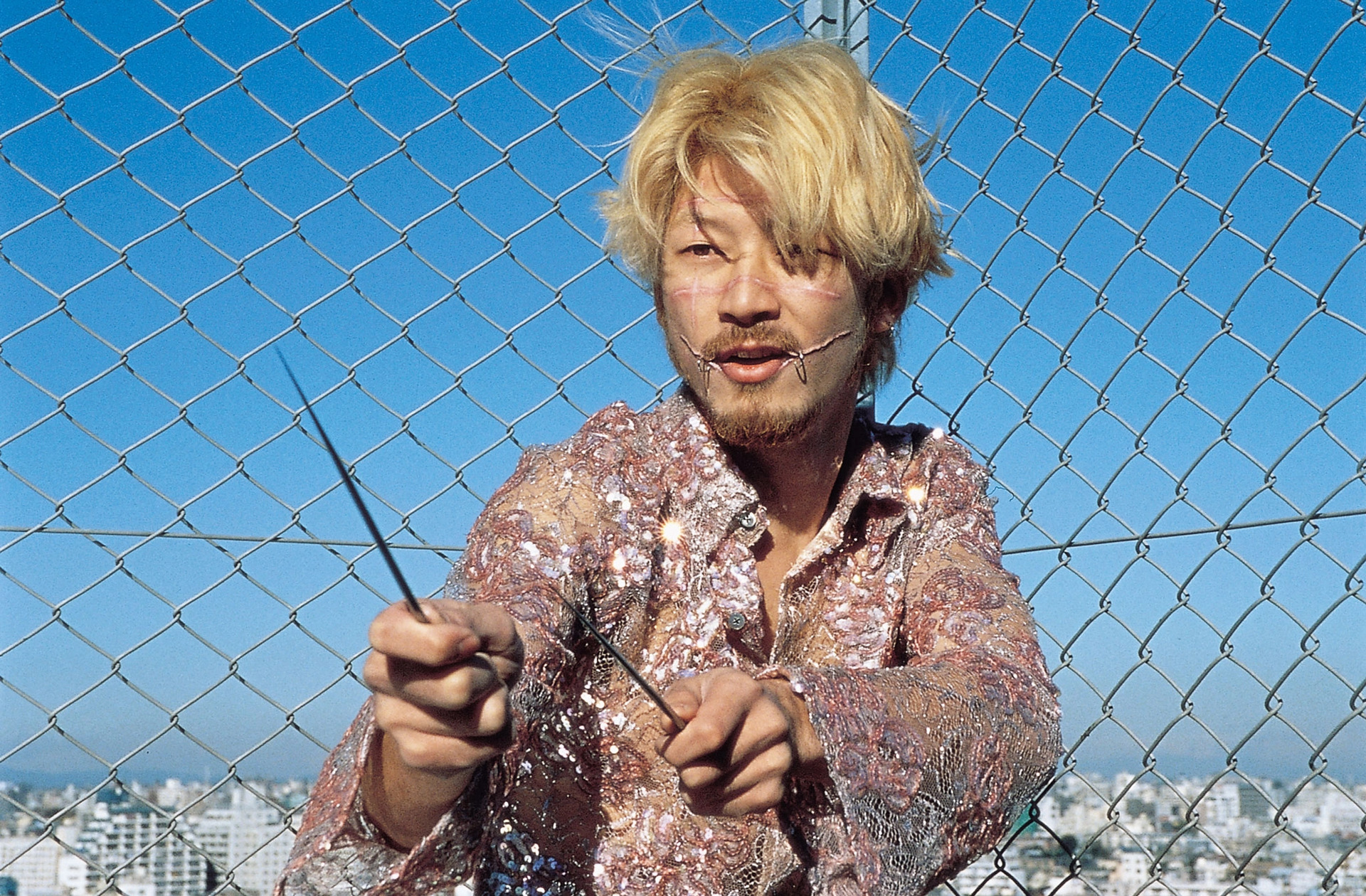
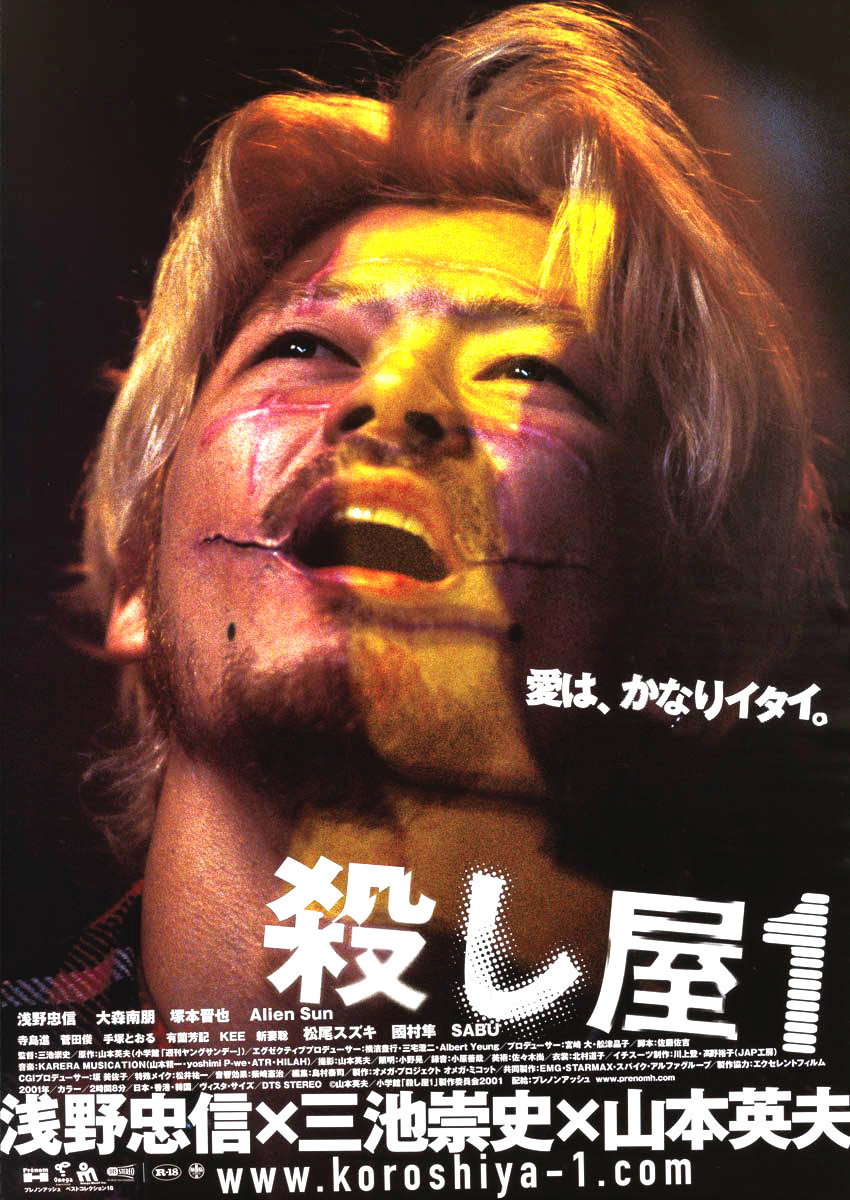
A yakuza boss disappears with a large amount of money. Some believe he fled with the loot, but Kakihara, his right-hand man, is convinced he was kidnapped by rivals. During his investigation, the name of Ichi, a sadistic lone killer, comes up frequently… Miike continues in the same gory vein as the eponymous manga by Hideo Yamamoto that he is adapting. A radical and outrageous work that fully embraces its excesses.
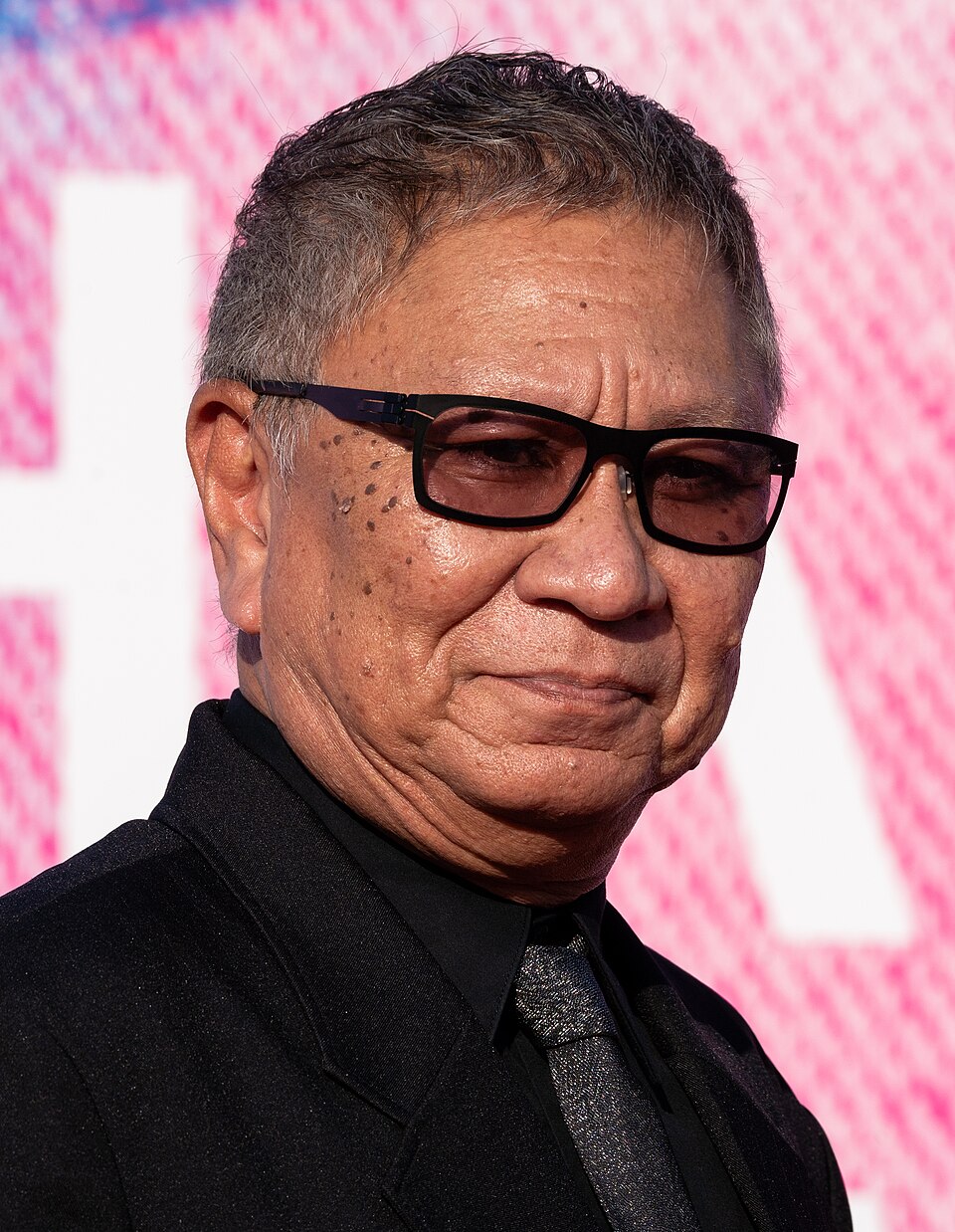
Takashi Miike
Takashi Miike is a Japanese filmmaker. He has directed over 100 theatrical, video, and television productions since his debut in 1991. His films span a variety of genres, ranging from violent and bizarre content, to dramatic, family-friendly films. He is a controversial figure in the Japanese cinema industry, with several of his films being criticized for their extreme graphic violence and other transgressive content. Some of his best-known films are Audition (1999), Ichi the Killer (2001), Gozu (2003), One Missed Call (2003), the Dead or Alive trilogy (1999-2002), and various remakes: Graveyard of Honor (2002), 13 Assassins (2010), and Hara-kiri: Death of a Samurai (2011). Several of his films have developed cult followings.
_(cropped).jpg)