Julien Donkey-Boy
It's already been thirty years since two Danish filmmakers signed a manifesto, expressing a desire for chastity in filmmaking. The rejection of artifice and the search for authenticity were its main elements, quickly mocked by the filmmakers themselves, in a single shot or a new film that contradicted their tenets. Lars von Trier and Thomas Vinterberg left their mark on their era and on a generation of new filmmakers. But what do these films tell us today, given that they were such a departure from the mainstream of their time?
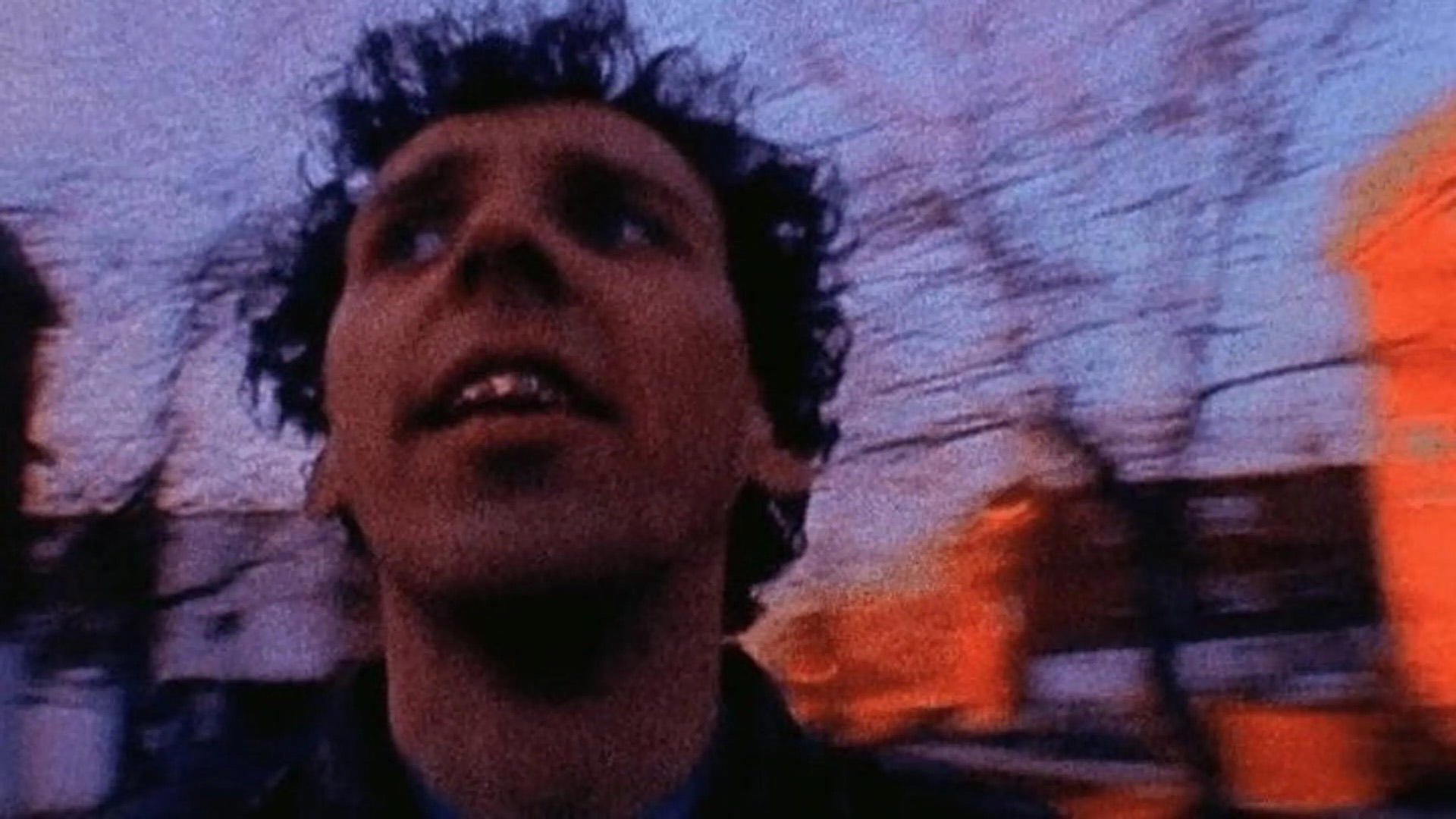
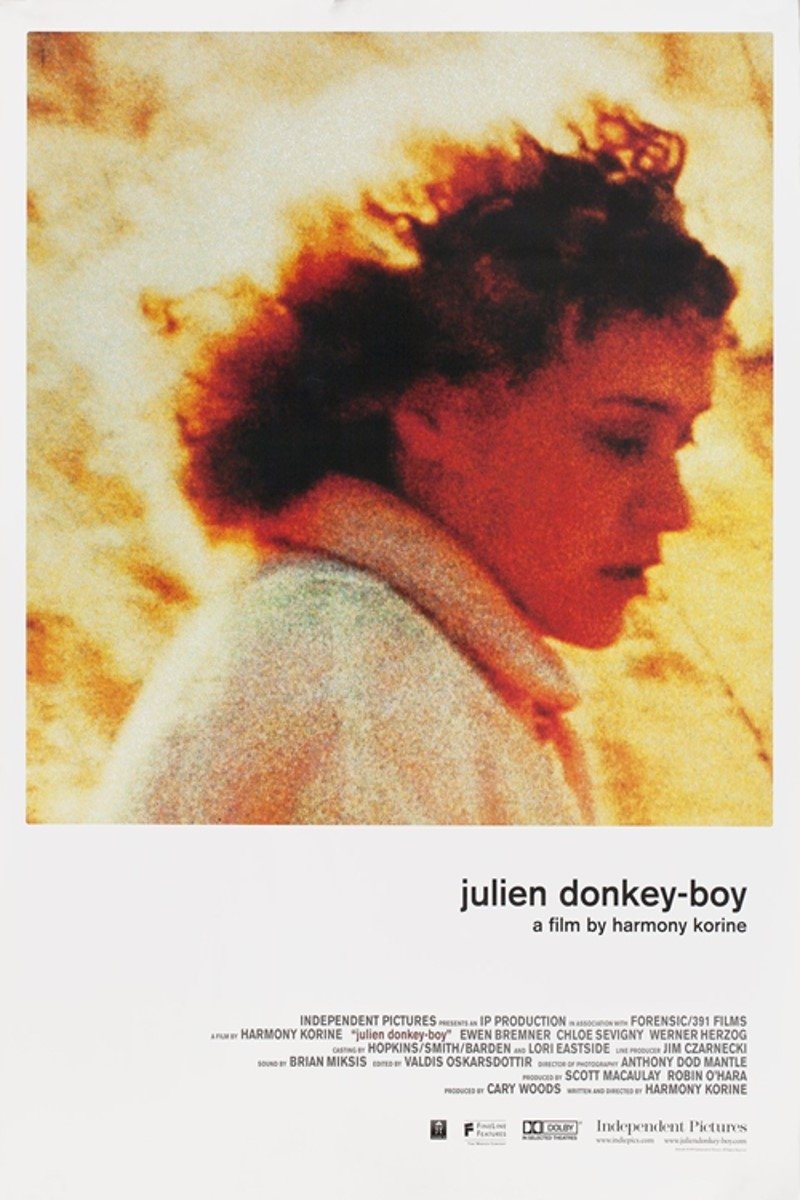
Maternal orphan, lonely Julien suffers from schizophrenia and lives in a dysfunctional family dominated by a depressed and tyrannical father. This dark portrait of an American family was produced in the spirit of Dogme95, and Korine's work with digital images, which are grainy here, is completely in line with his other experiments, notably Trash Humpers and Aggro Dr1ft.
Harmony Korine
Harmony Korine is an American filmmaker, actor, photographer, artist, and author. His films feature an erratic, loose and transgressive aesthetic, exploring taboo themes and incorporating experimental techniques, and works with art, music, fashion and advertising. Korine's career began when he wrote the screenplay for the Larry Clark film Kids (1995), which was followed by his directorial debut, Gummo (1997) and Julien Donkey-Boy (1999). His films typically explore unconventional narratives and themes of dysfunctional families,and also include Mister Lonely (2007), Spring Breakers (2012) and The Beach Bum (2019).