Killer of Sheep
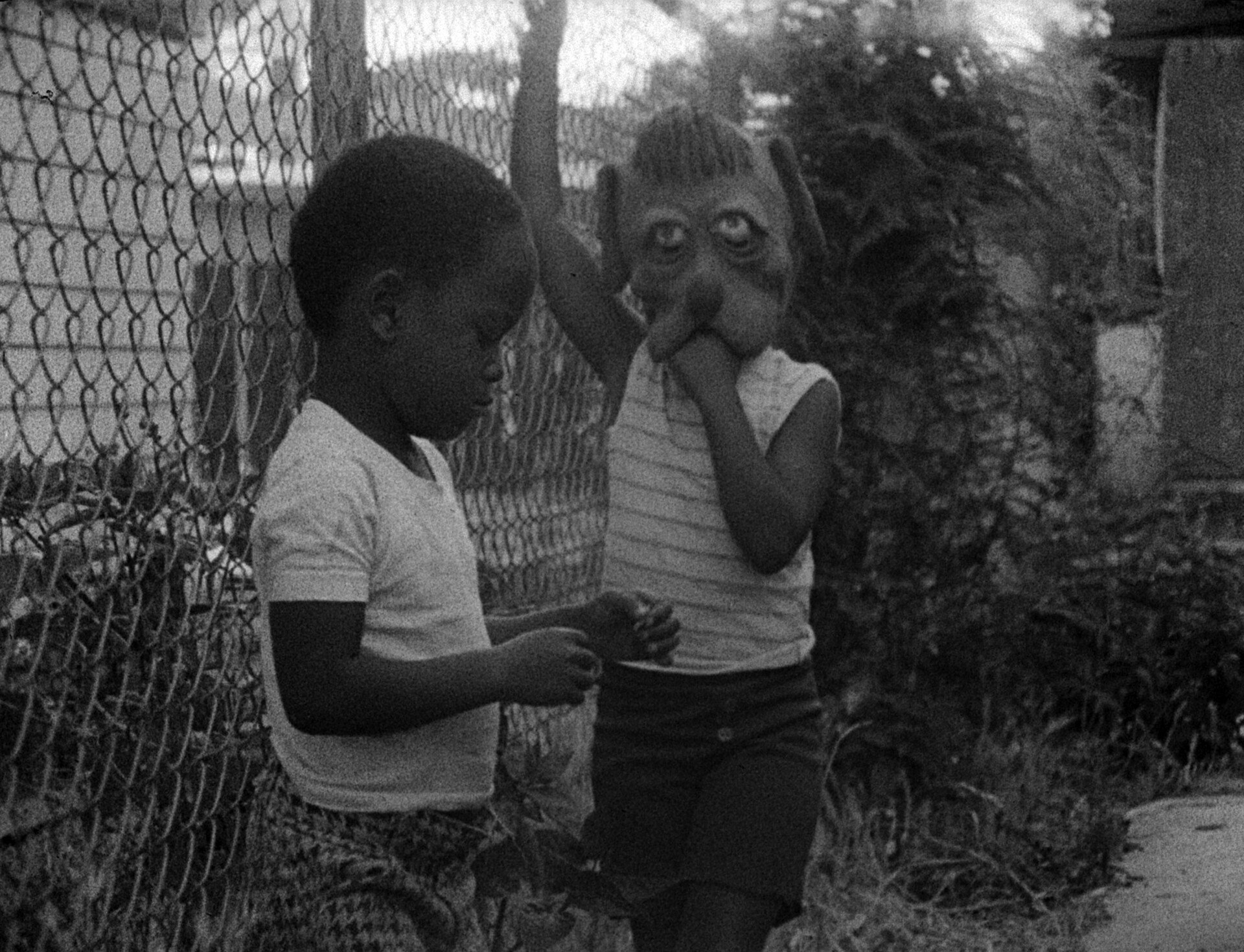
Cinema that chronicles the Black liberation movement of the 1970s, in the wake of the civil rights movement, provides a fertile ground for expression. Wildly creative in form, the films in this program never lose sight of the social significance of their subject matter. A few titles from before and after that period complete the picture. Guest programmer: eunice bélidor.
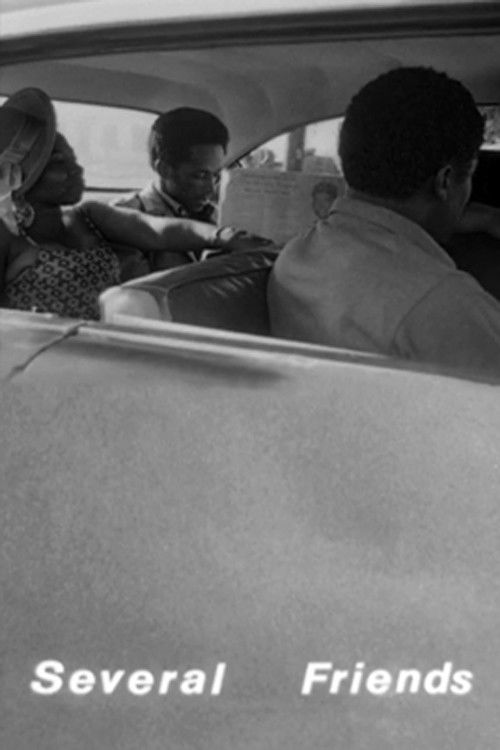
Preceded by short film Several Friends
Winner of the FIPRESCI Prize, 1981 Berlin International Film Festival
An improvised short film and Charles Burnett's directorial debut, Several Friends captures a day in the life of a diverse group of unemployed friends in Los Angeles' South Central neighborhood. The documentary-style approach allows for natural performances from non-professional actors, reminiscent of Italian neorealism.
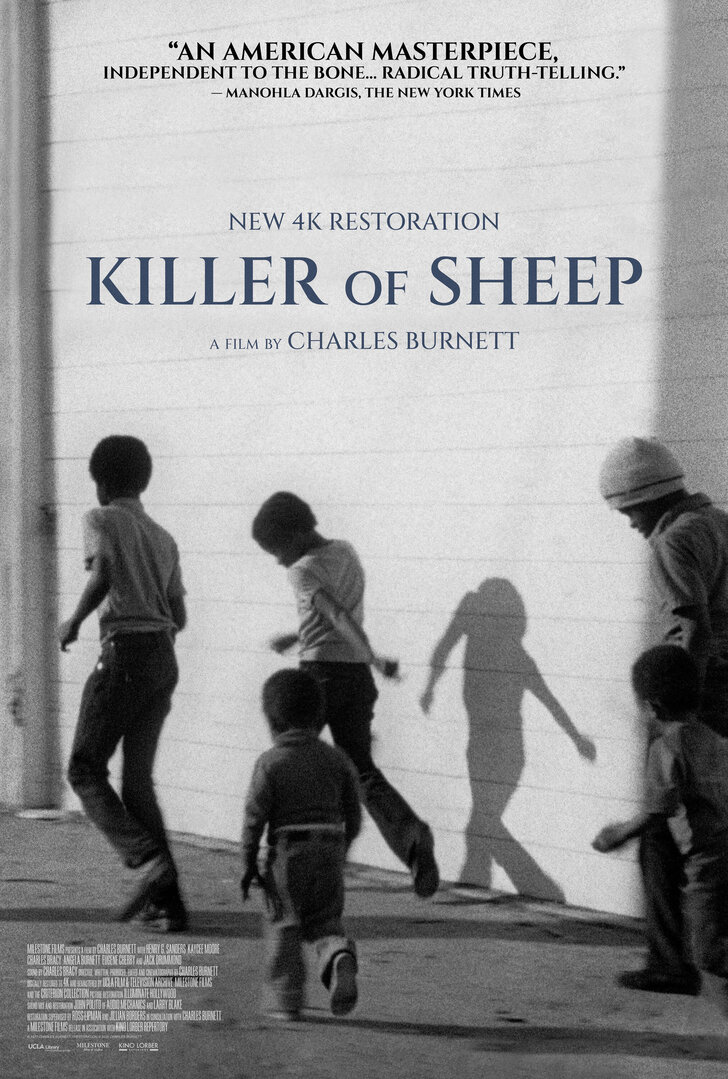
The film evokes the everyday trials, fragile pleasures, and tenacious humor of blue-collar African Americans living in the Watts neighborhood of Los Angeles in the 1970s. Burnett made it on a minuscule budget with a mostly nonprofessional cast, combining keen on-the-street observation with a carefully crafted script. The story centers on Stan, a slaughterhouse worker battling exhaustion and disconnected from his wife, his children, and himself.
Charles Burnett
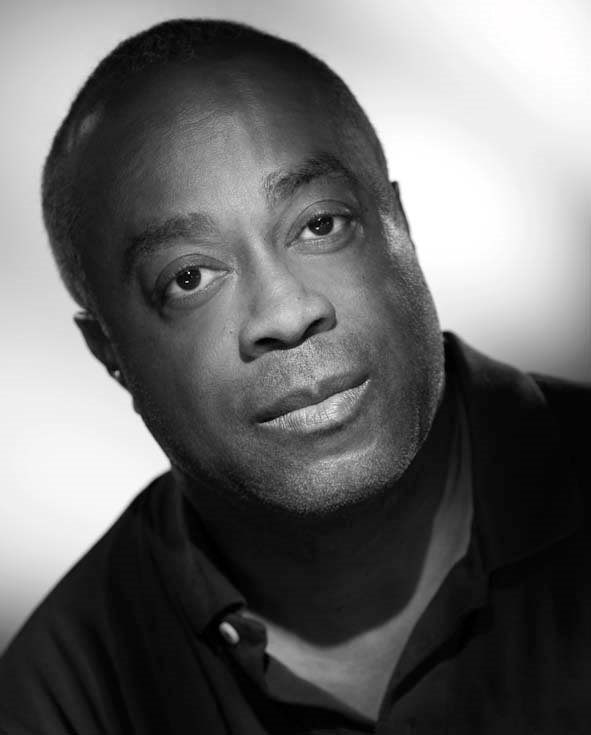
Charles Burnett is an American film director, film producer, writer, editor, actor, photographer, and cinematographer. His most significant works portray the lives of urban working-class African Americans in a quasi-documentary style that draws comparisons to Italian Neorealism. His most popular films include Killer of Sheep (1978), My Brother's Wedding (1983), To Sleep with Anger (1990), The Glass Shield (1994), and Namibia: The Struggle for Liberation (2007). He has also directed several short films and documentary films. Burnett has been named as "one of America's very best filmmakers" by the Chicago Tribune and "the nation's least-known great filmmaker and most gifted black director" by The New York Times. He received an Academy Honorary Award for being an "influential film pioneer who has chronicled the lives of black Americans with eloquence and insight" in 2017.
Explore
On our blog
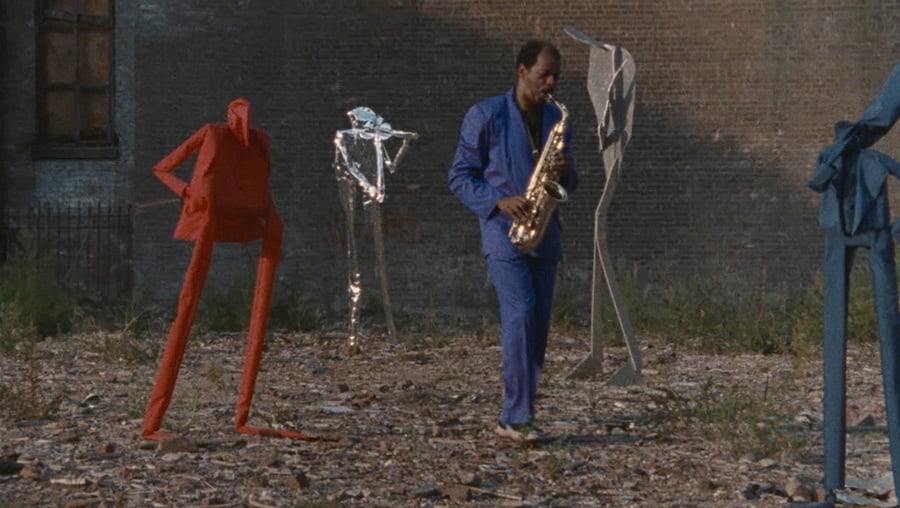
Black Power : la poésie d’une lutte
La programmatrice invitée eunice bélidor nous présente le cycle Black Power : la poésie d'une lutte, présenté jusqu'au 31 mars.
« Je souhaitais utiliser le cinéma comme moyen de montrer la beauté et la poésie qui émergent des situations les plus difficiles. »

#/media/File:BURNETT_Charles-24x30-2008b.jpg)