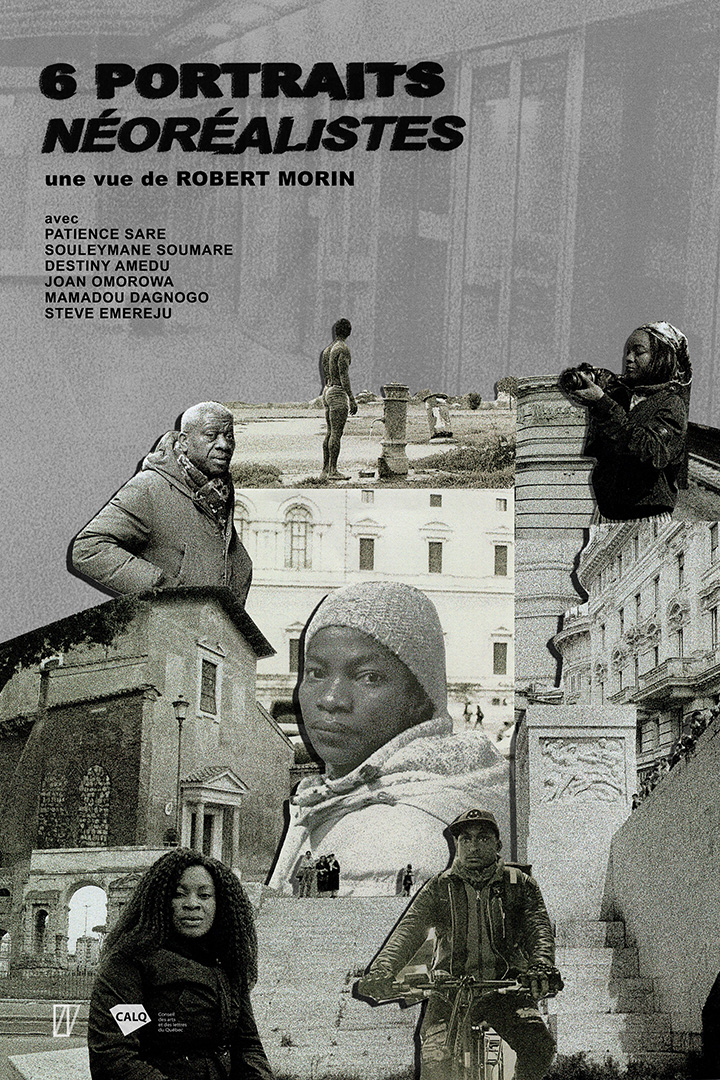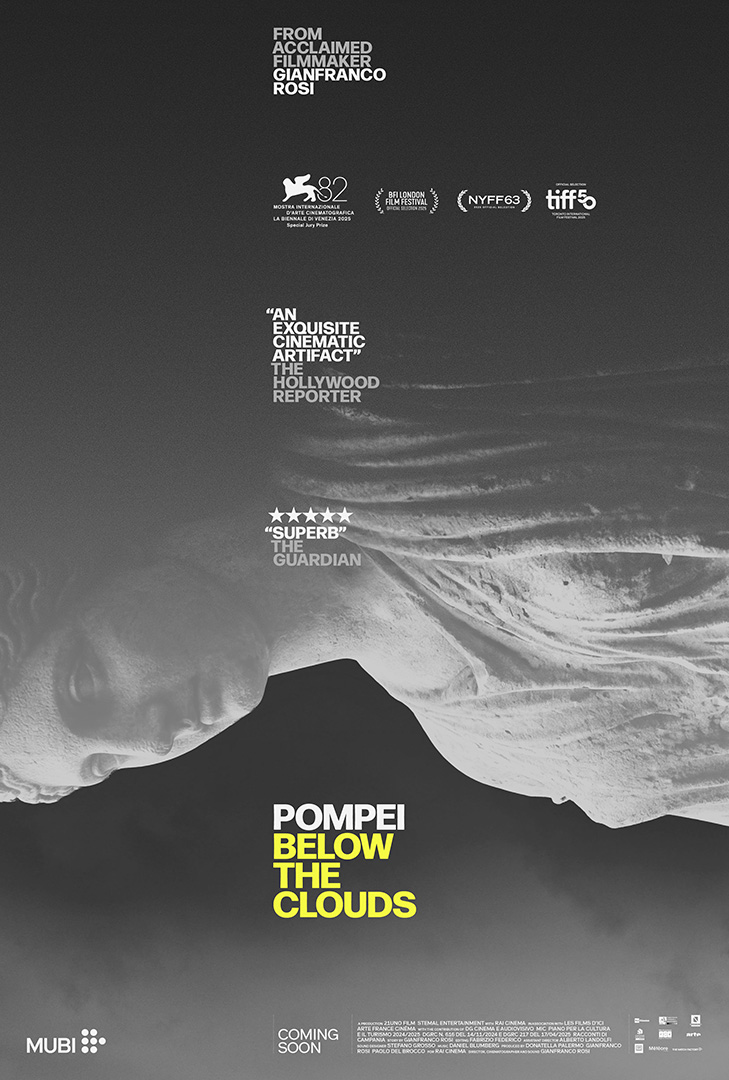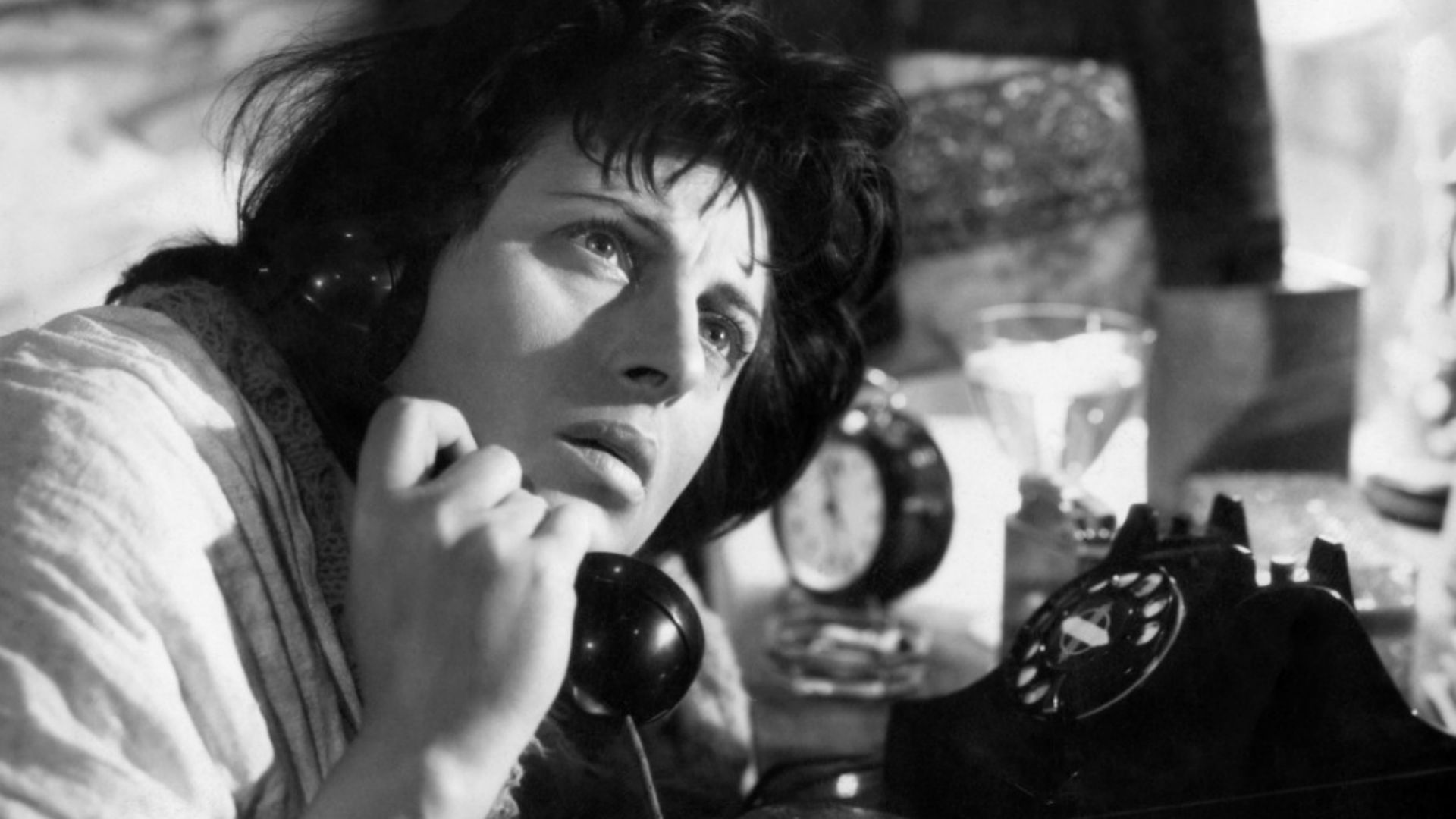
Sometimes, you need to go back to the essentials, and Roberto Rossellini is one of them, a pillar of one of the most decisive movements in cinema, neorealism. Milestone after milestone, this program offers a journey through a body of work characterized by formidable rigor and astonishing density, particularly prolific from the post-war period until the dawn of the 1960s. Whether he filmed the ravages of war, the battles that are romantic relationships, or the complexity of spiritual destinies, he was able to elevate his subjects to a kind of timeless perfection, thanks to a highly precise direction, capable of capturing the human condition in the most intimate way.
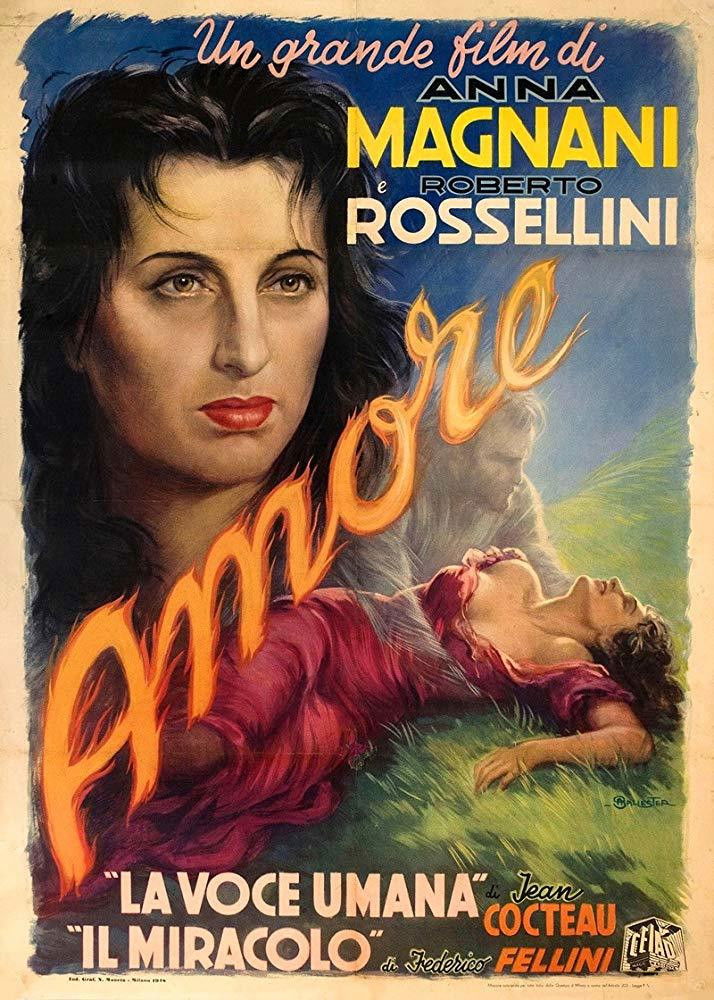
The film L'amore consists of two medium-length films featuring two outstanding performances by Anna Magnani. In the first, she plays a heartbroken woman talking on the phone to her ex-lover, and in the second, she plays a naive peasant woman who believes she is carrying the child of Saint Joseph.
Roberto Rossellini
Roberto Rossellini is one of the most influential directors in the history of Italian cinema, playing a key role in bringing it to international prominence with films like Rome, Open City (1945), Paisan (1946), and Germany, Year Zero (1948), cementing his place as a founding figure of neorealism. Born into a bourgeois Roman family, Rossellini grew up in a rich artistic and cultural environment. His father, who built Rome’s first cinema, exposed him to film from an early age, allowing him to attend countless screenings. After directing several short films, he made his first three features, The White Ship (1941), A Pilot Returns (1942), and The Man with a Cross (1943), collectively known as his Fascist Trilogy. Shot as the fascist regime was collapsing, Rome, Open City (1945) won the Grand Prize (Palme d’or) at the Cannes Film Festival in 1946. He followed with Paisan, featuring non-professional actors, and Germany, Year Zero (1948), which earned the Grand Prize and Best Screenplay Award at the Locarno Film Festival. In the late 1940s, a letter from Ingrid Bergman sparked a relationship that placed them in the public eye. Together, they collaborated on several films throughout the 1950s, beginning with Stromboli. Rossellini continued making films until the mid-1970s, shortly before his death.

Explore
Presented in collaboration with