Le son du Québec, de l’Acadie et des Franco-Ontariens
La série Le Son des Français d’Amérique est un inestimable joyau du patrimoine musical francophone d’Amérique du Nord, en plus de représenter un temps fort dans l’histoire du documentaire au Québec.
Les épisodes proposent un survol de plusieurs manifestations musicales liées à la culture orale et au fait francophone sur le continent nord-américain (Québec, Acadie, Louisiane, Missouri, Nouvelle-Angleterre, Ontario, Prairies), sans oublier les racines et influences européennes déterminantes (France [Poitou, Vendée, Bretagne], Irlande). L’œuvre aux valeurs patrimoniales et anthropologiques indéniables a été inscrite au Registre international Mémoire du monde de l’UNESCO en 2017. La Cinémathèque conservait depuis une quarantaine d’années les éléments originaux de la série, mais la restauration de ce monument de notre culture exigeait des partenaires forts possédant une grande expertise. Ainsi, depuis 2017, le cinéaste André Gladu, la productrice Anouk Brault, la Cinémathèque québécoise, Éléphant : mémoire du cinéma québécois et l’Office national du film du Canada travaillent conjointement à la numérisation et à la restauration des 27 épisodes de la série. Les éléments originaux sur pellicule 16 mm sont conservés dans les réserves des collections de la Cinémathèque, ils ont été numérisés par l’ONF et Éléphant s’est chargé de la restauration complète de la série.
Ce cycle comprendra 18 épisodes restaurés de cette série exceptionnelle réalisée entre 1974 et 1980 par André Gladu et Michel Brault.
In presence of André Gladu
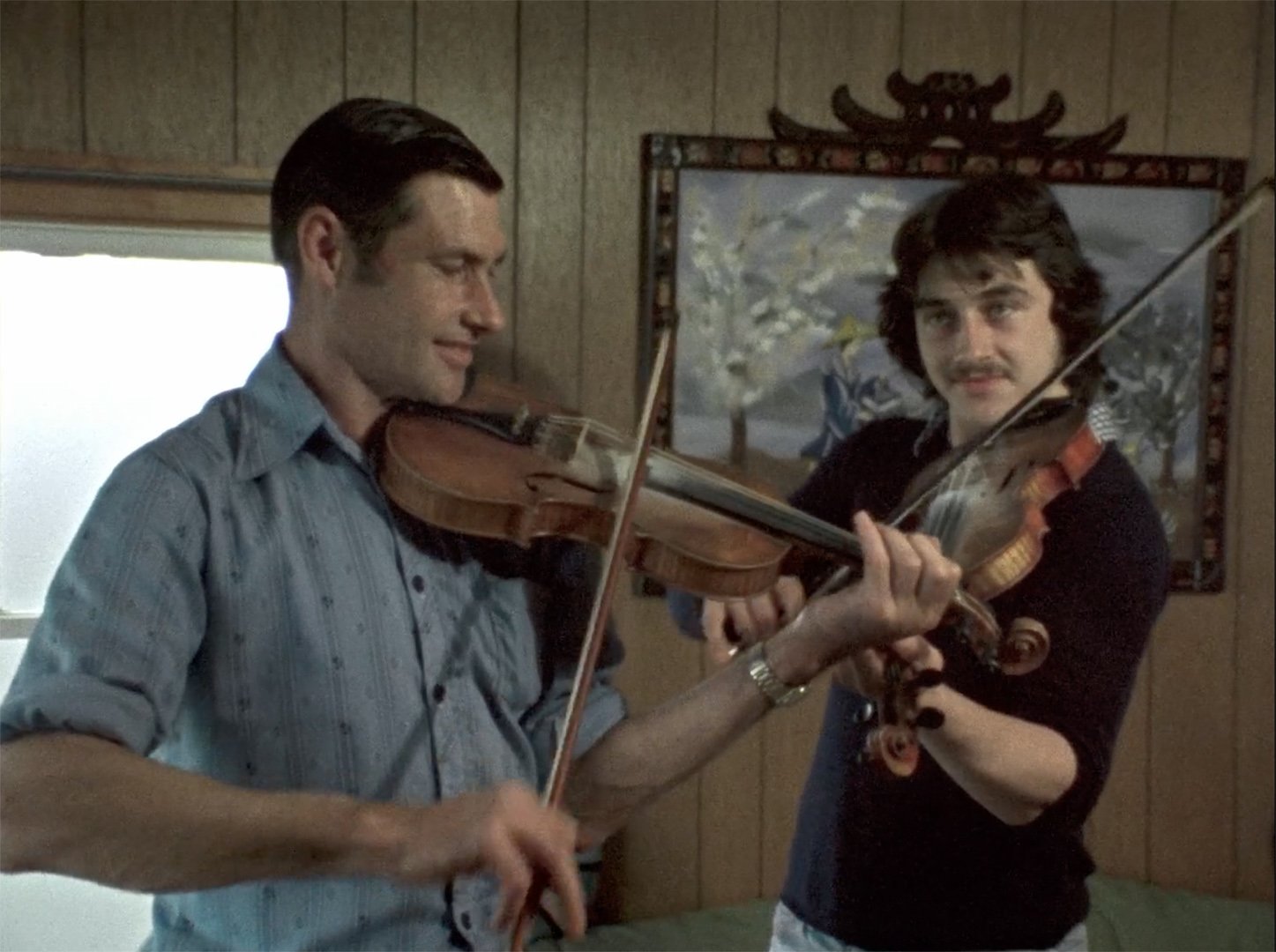
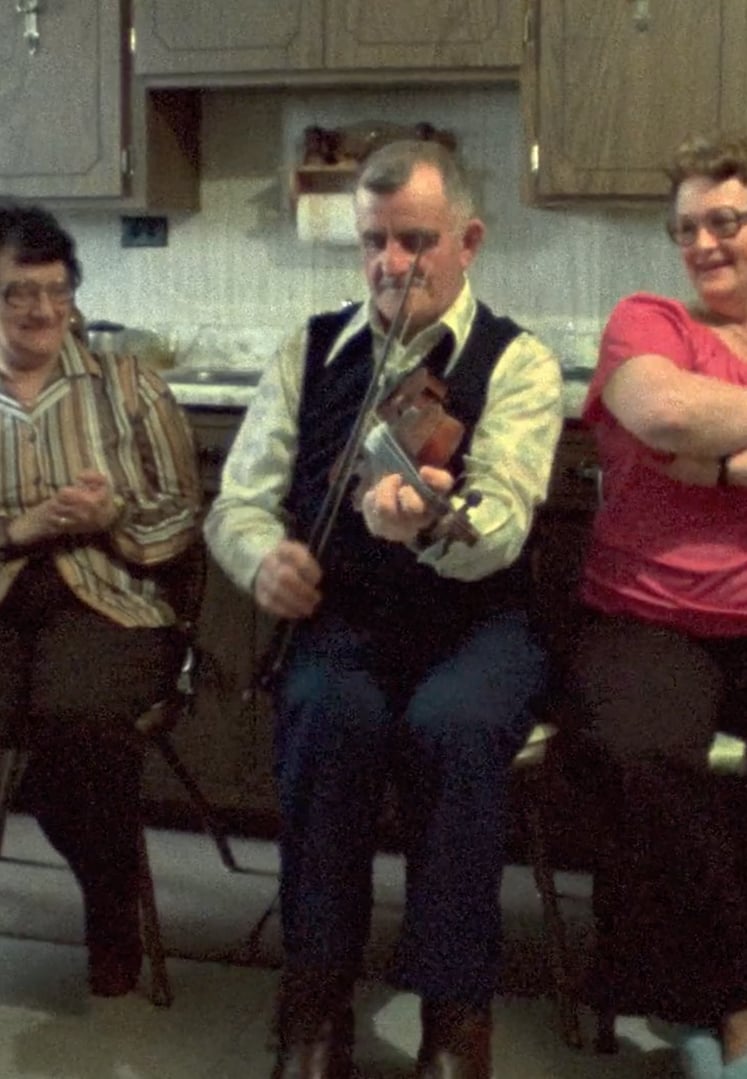
Envoyez de l'avant nos gens is a very old labour song sung in the 18th century by voyageurs and in the 19th century by French-Canadian lumberjacks. The version performed in the film was written by the sons of farmers in Lanthier, Quebec. It reflects the time when farmers were forced to work as lumberjacks, the most talented ones giving up singing and music, to keep their small rocky lands. Antonio Bazinet, 80 years old, was one of them.
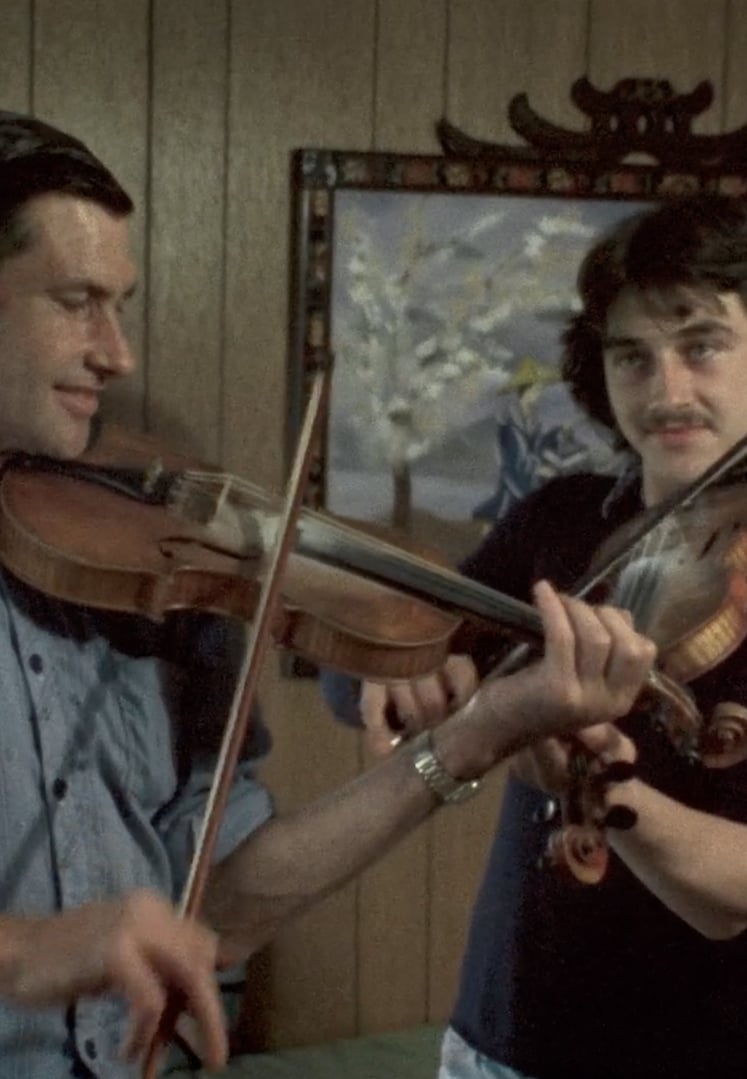
Johnny à Dennis à Alfred Comeau is how Acadians identify one of their own, for there are Comeau's all along St. Mary's Bay in southwest Nova Scotia. In the Comeau family, it is also a way to name three generations of living fiddlers. But it is only the youngest who will be able to live off his talent.
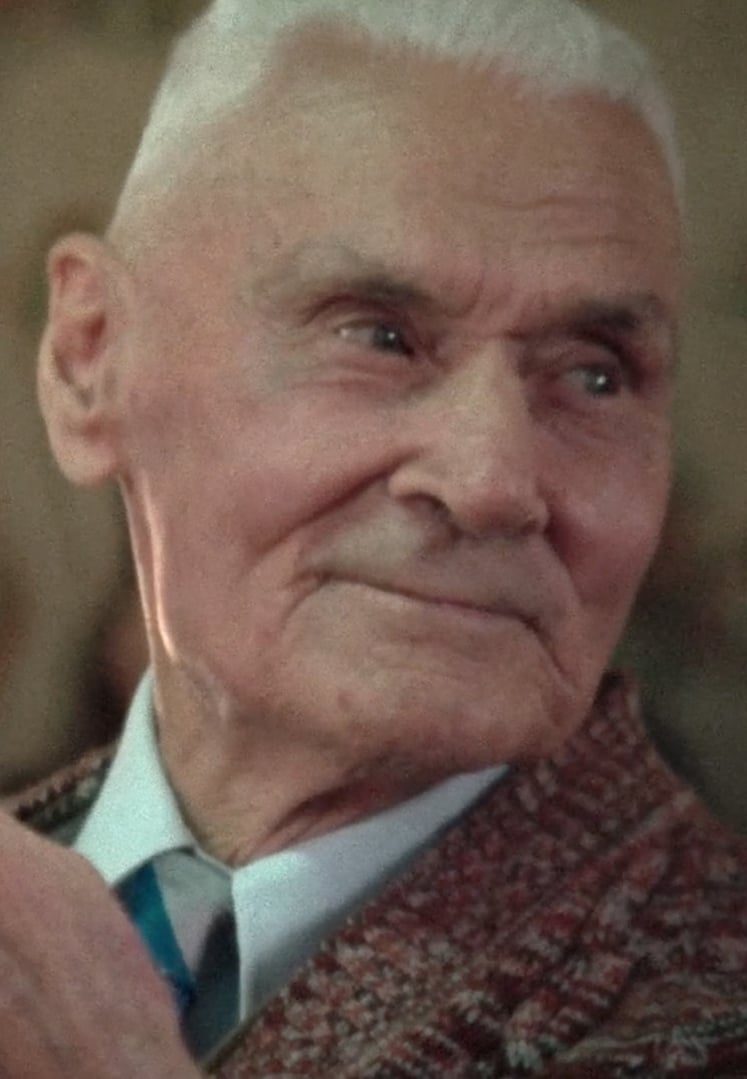
Northern Ontario was developed by French Canadian lumberjacks at the turn of the century. The film recounts the dreams, the disappointments and above all the battles they had to wage to preserve their rights and their identity. Through Quebec tunes, a western song expresses the aggressiveness of a Franco-Ontarian lumberjack in the face of these never-ending struggles.
Presented in collaboration with


André Gladu
In the 1970s, André Gladu** directed several documentaries on Quebec and the French-speaking peoples of America, including Le reel du pendu (1971), Le son des Français d'Amérique (1974-1980) co-directed with Michel Brault**, Marc-Aurèle Fortin (1983), Pellan (1985), Liberty Street Blues (1986) on New Orleans jazz, Gaston Miron - les outils du poète (1994). In 1987-88 he conceived the project of the Cinémathèque québécoise's Musée de l'image en mouvement. From 1997 to 2002, he was a producer at the Studio culture et expérimentation, French Program, of the NFB. Then, as resident filmmaker, he created: Tintamarre (2004) and Marron (2006). In 2014, he directed a series of short films on the traditions of Lanaudière: Le chant du monde (2015), Matawinie "La rencontre des eaux " (2016), L'esprit du violon Trad (2018), Excuse her and L'autre bout du monde (2021). In 2015, he received the Prix Hommages from the Académie Charles-Cros. In 2018, he was awarded the Prix du Québec Albert-Tessier pour le cinéma.
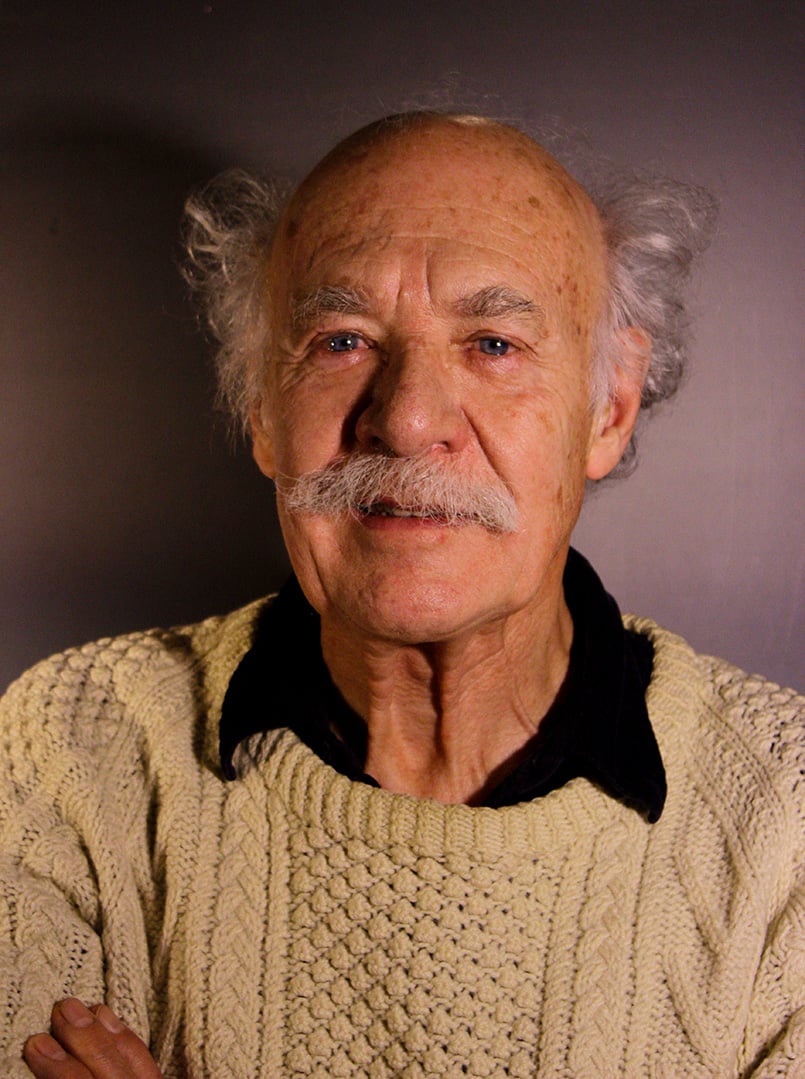
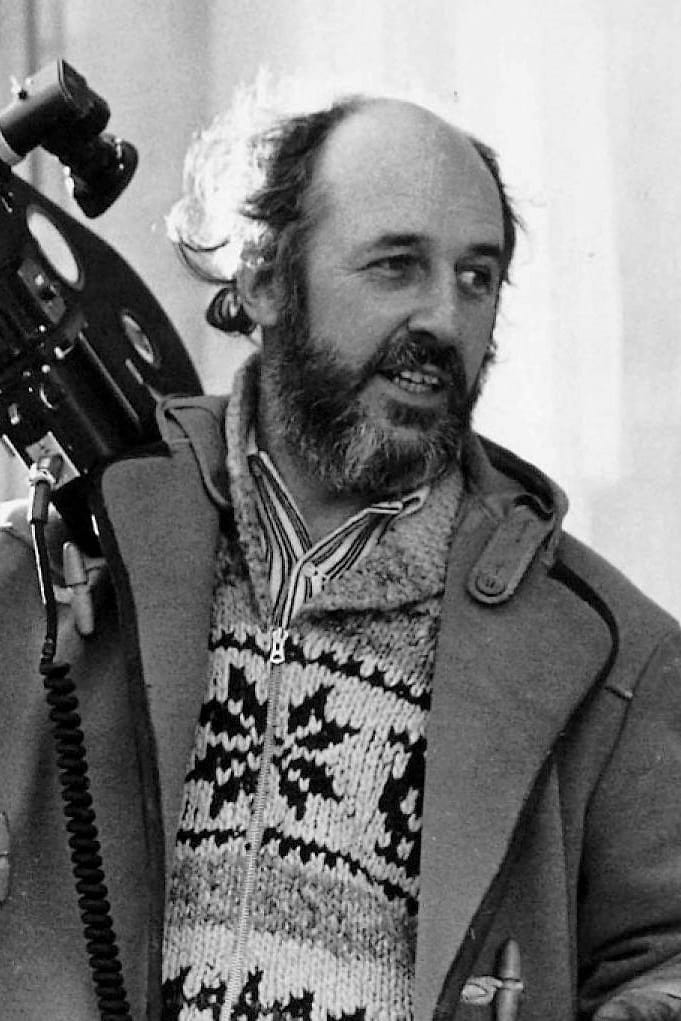
Michel Brault
Born in 1928, Michel Brault first devoted himself to photography. He joined the National Film Board as a cameraman in 1956. He collaborated on several films of the famous series Candid Eye, produced by the English team. He gradually turns to directing, a field in which he distinguishes himself, with the help of a portable camera, with which he captures the changing landscape of identity in Quebec during the Revolution tranquille. In 1958 he made the seminal film Les raquetteurs with Gilles Groulx and Marcel Carrière. In 1963, Brault and Pierre Perrault made Pour la suite du monde, which became the first classic of Quebec direct cinema. He also directed the film Les ordres in 1974. In addition to his work as a director, Michel Brault was the director of photography for such landmark films as Entre tu et vous (Gilles Groulx, 1969), Mon oncle Antoine (Claude Jutra, 1971), Kamouraska (Claude Jutra, 1973) and Les bons débarras (Francis Mankiewicz, 1980). His career will total more than 200 films, as director or director of photography.