Les mots/maux du silence
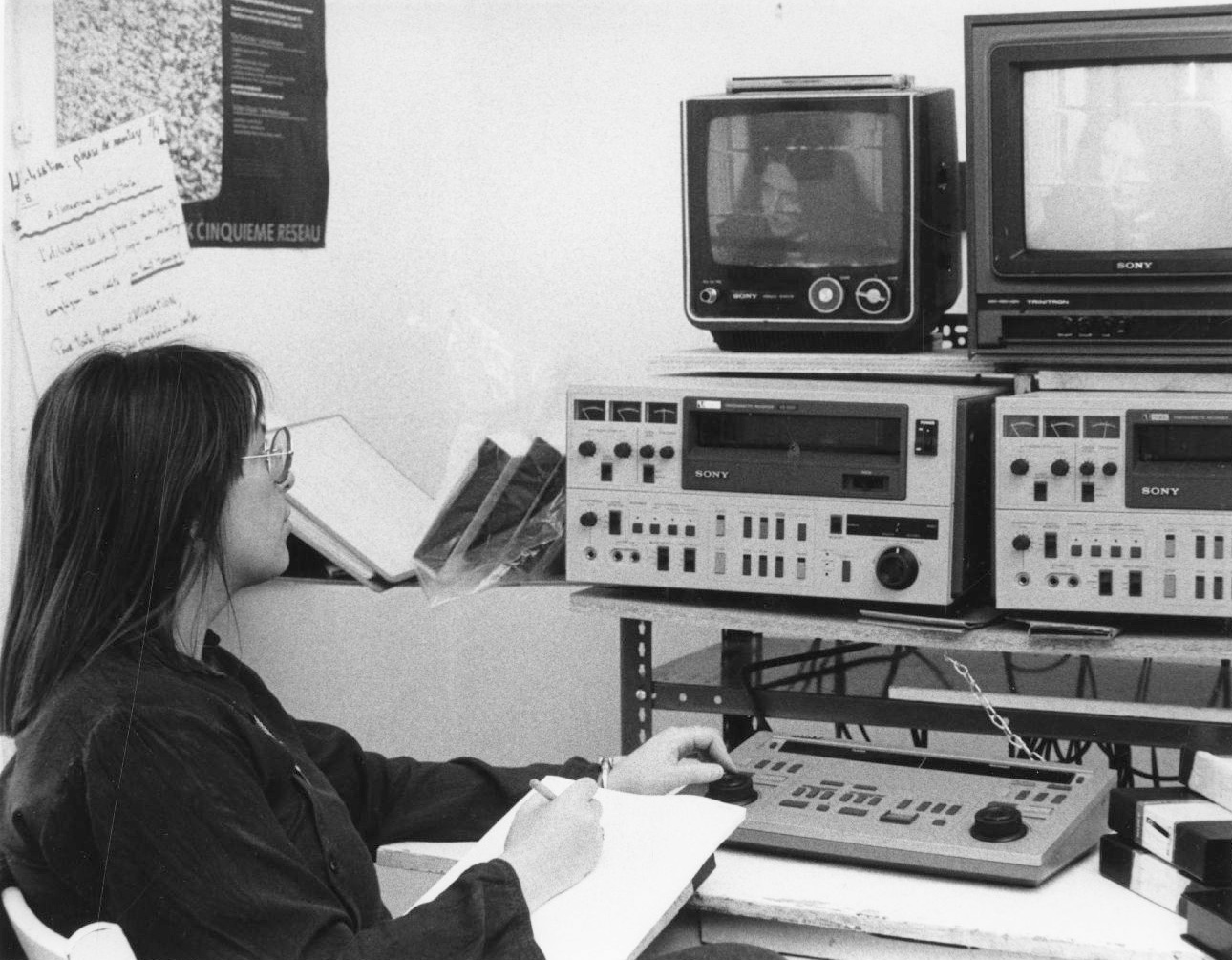
Helen Doyle's rich career has just been crowned with the Prix Albert-Tessier, Quebec’s highest distinction reserved for filmmakers. This recognition gives us the opportunity to delve into the work of the woman who co-founded Vidéo Femmes in 1973. This program begins with films made during this decisive period for feminist creation in Quebec, before exploring how Doyle’s work continued to evolve over time. Her sense of commitment and taste for formal research have consistently fueled a sustained and coherent documentary practice, which also led to the creation of the Tatouages de la mémoire production company.
The screening will be followed by a Q&A with Helen Doyle
Preserved in our collections
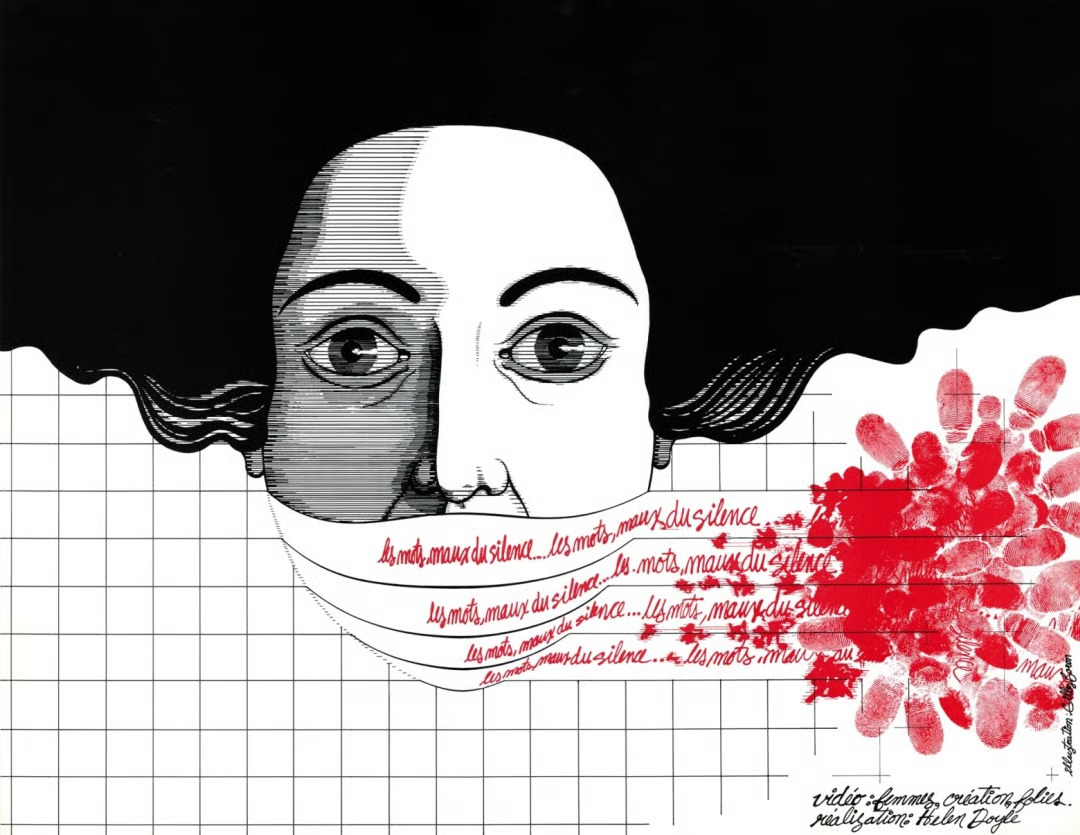
A mosaic of poems, readings, texts, excerpts from plays, songs, and thoughts, brought together to examine society's perception of madness alongside that of art. Five years before the first deinstitutionalization in Quebec, Helen Doyle questions the usefulness of chemical restraints, electroshock therapy, and prison-like hospitals.
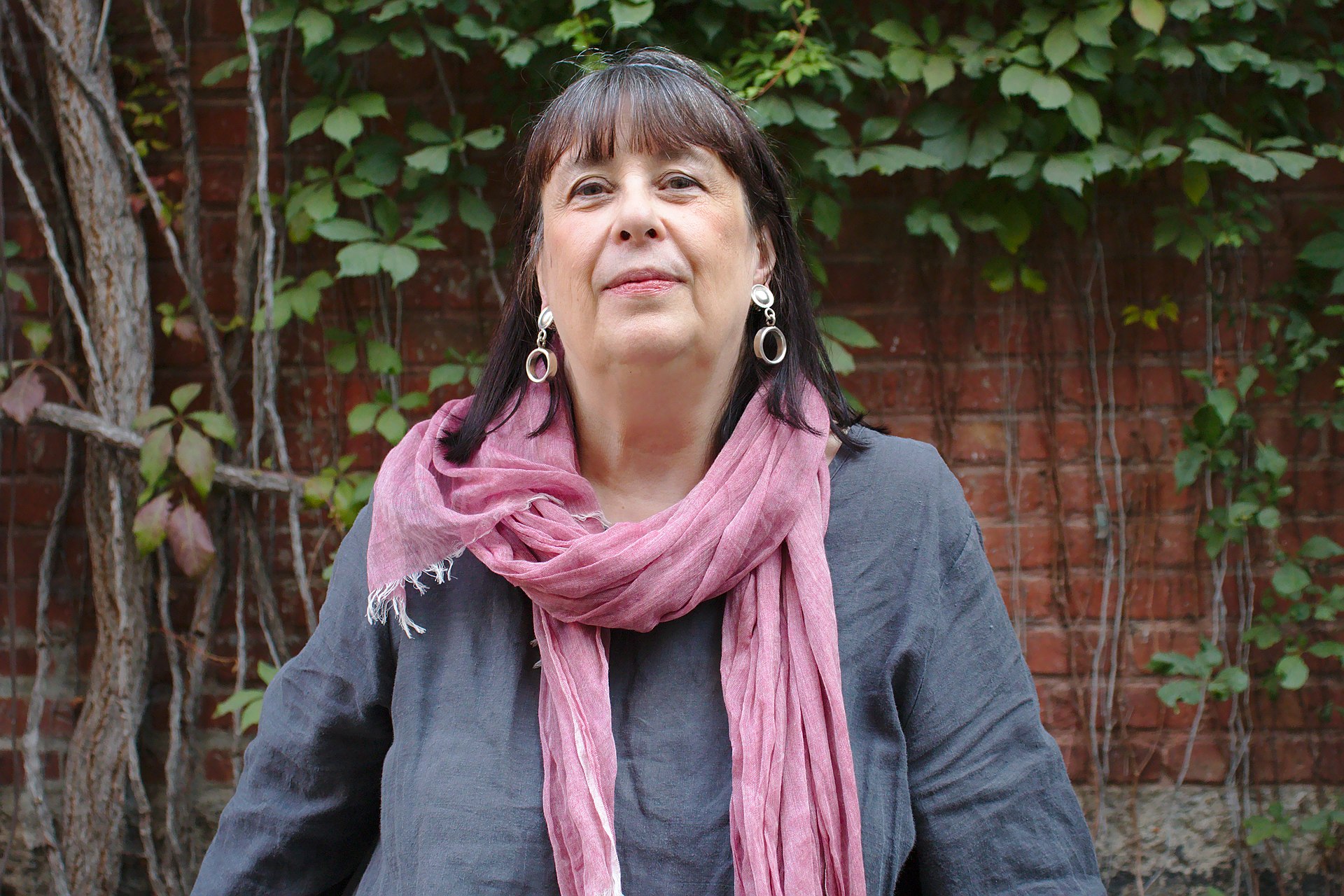
Helen Doyle
Helen Doyle is a Québec screenwriter and filmmaker. Most of her films are documentaries, and several of them focus on women’s issues. She sometimes uses the techniques of experimental cinema, fiction, and docufiction. In 1973, Helen Doyle teamed up with Nicole Giguère and Hélène Roy to lay the groundwork for the collective La femme et le film, dedicated to the distribution and production of videograms made by women. After a few features on community television, the group produced its first tape in 1975, Philosophie de boudoir, and took the name Vidéo Femmes in 1979. It was within this collective that Helen Doyle directed her first tapes, often as a co-director, addressing the condition of women from a resolutely feminist perspective. In the mid-1980s, she moved away from video production to focus on cinema. Le rendez-vous de Sarajevo (1997) later ushered in a period in her filmography, as she began to explore issues related to war, barbarism, and artistic commitment. Helen Doyle's work examines the artist's relationship with the world. She won the Prix Albert-Tessier in 2025, the highest distinction reserved for a filmmaker in Quebec.

.jpg)