Les Vidéographes : Le devoir de mémoire
En 2021, Vidéographe fête ses 50 ans d’engagement continu envers la recherche et le rayonnement de la vidéo et des pratiques expérimentales de l’image en mouvement. Toujours animé par le feu de ses fondateurs et fondatrices, Vidéographe propose une célébration traçant des ponts entre les générations d’artistes qui s’y sont rassemblé.e.s et qui sera axée sur la création, la collaboration et le partage des œuvres de sa collection.
PRÉSENTÉ PAR LUC BOURDON
Selectovision is a video-on-demand program that subscribers could use by phoning Vidéographe and which among was the first experiments in cable broadcasting in Quebec.

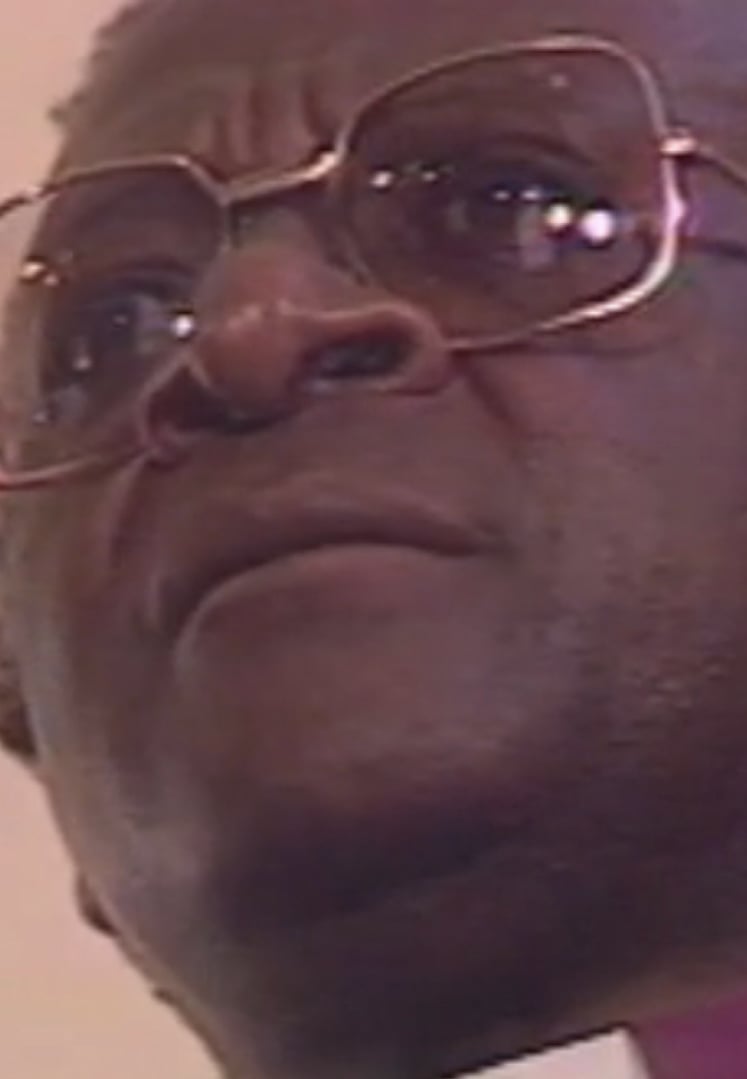
Mr. Desmond Tutu, winner of the Nobel Peace Prize, visited Montreal in June of 1986 as part of a North American tour to raise awareness of apartheid. This documentary, accompanied by archival footage, delivers the powerful call of Mr. Tutu in regard to the liberation of South Africans and human dignity. A moving testimony on the irrationality of apartheid, the horror of institutionalized racism in South Africa and the urgent need to act for the respect and human rights of all people.
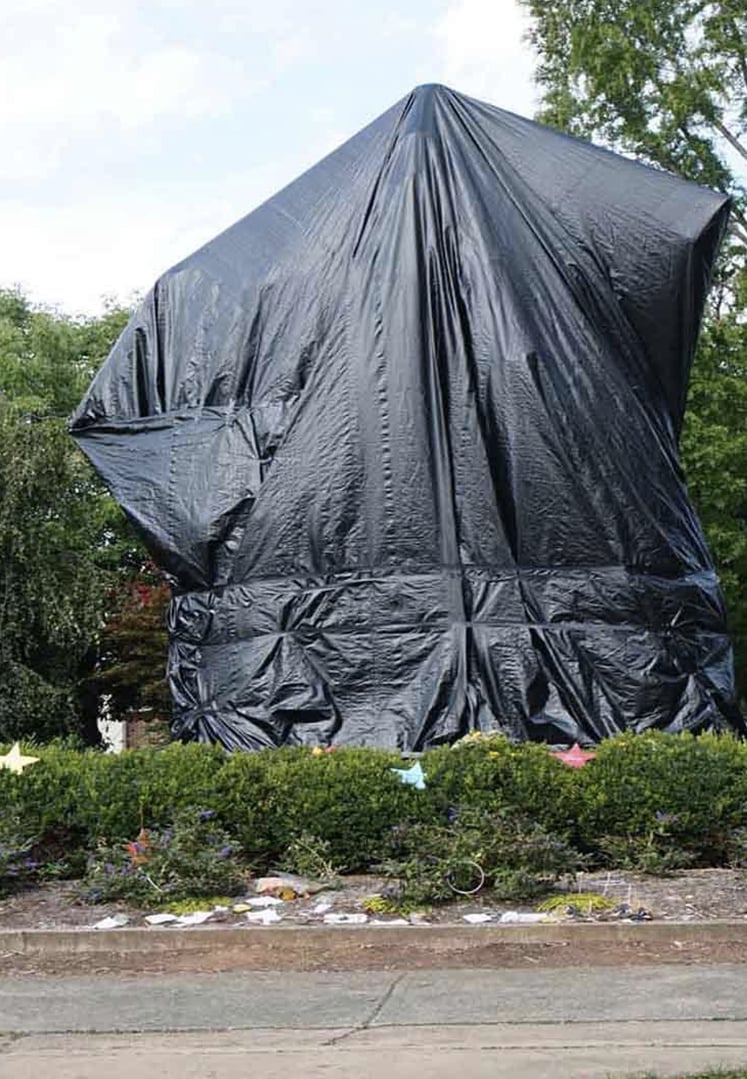
On August 11 and 12, a show of force by neo-nazis and white supremacist groups in Charlottesville, Virginia, to oppose the removal of the statue of General Robert E. Lee, leads to violent clashes and leave several deaths and many wounded. On August 23, the Town Hall decides to cover the statue with black as a sign of mourning. On August 28, we leave for Virginia to shoot the shrouded statue as departure point for a reflection about the historical and political implication of the raging debate on the fate of the Confederate statues in the USA.
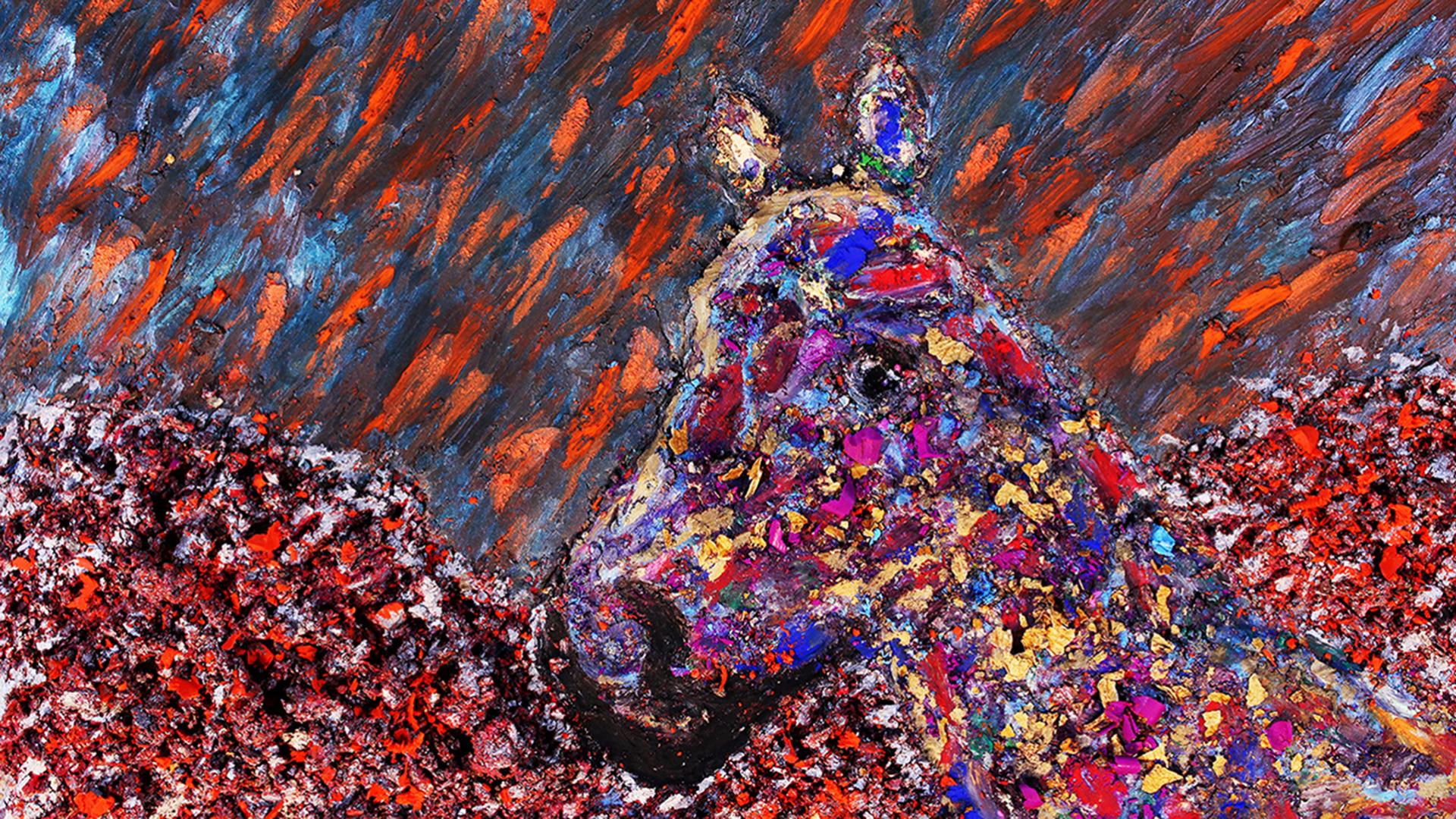
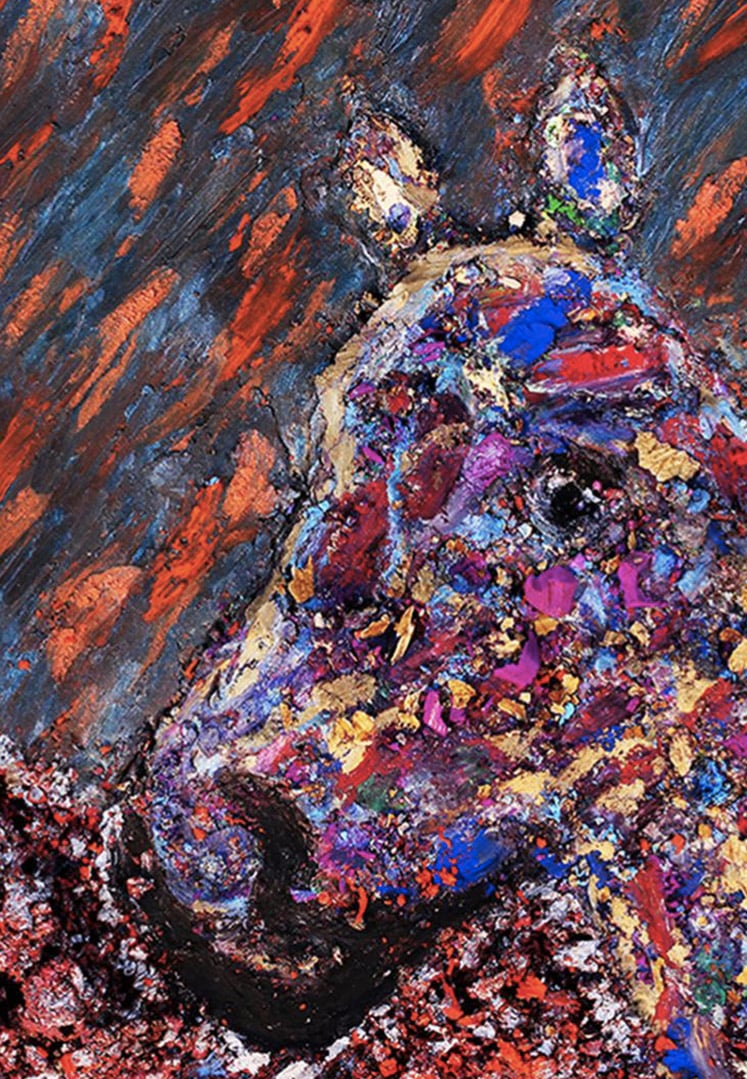
A visual poem and surrealist requiem for the Kalmyk people that were mass-deported by USSR from 1943-1957 and half of them died before they were allowed to return home. The film manifests itself as an archetype with frame by frame hand painted imagery, bringing back an example of human history on the eternal theme of diaspora and the loss of homeland, but more importantly, by referencing to the past and the lost, it poses a critical resistance to the current social political situations in the world.
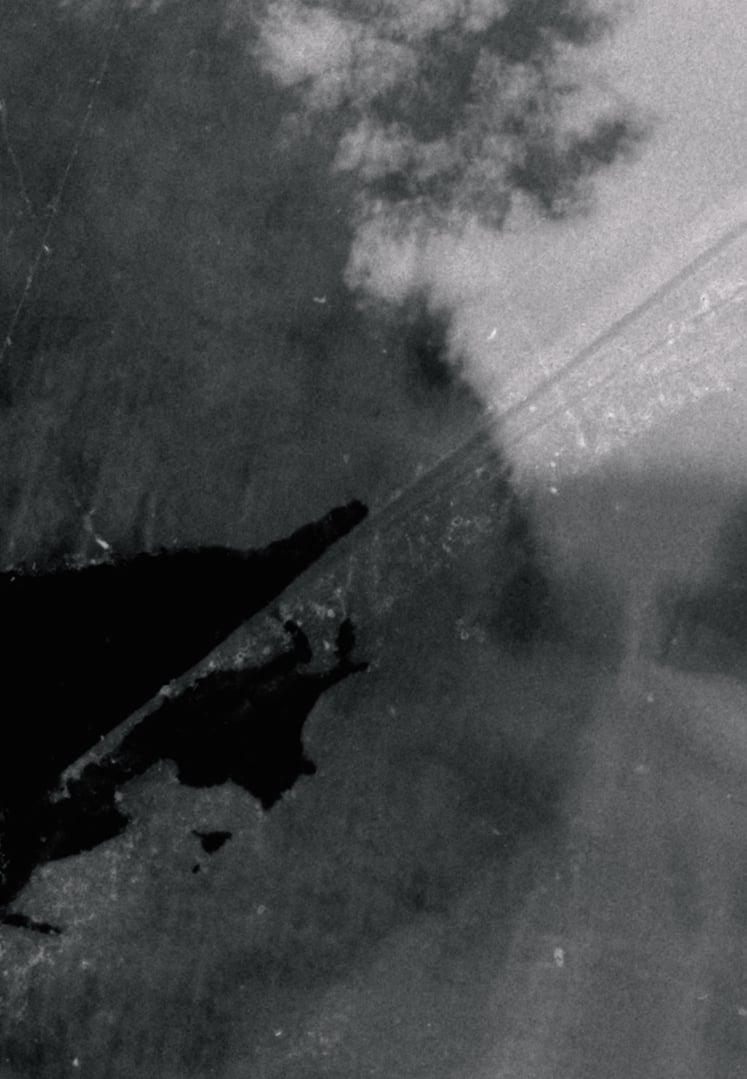
In the 1970s, a new planning policy forced residents of several villages in the interior of Gaspésie to leave their homes and move to the coast. The film explores the consequences of this brutal, disturbing event. While the episode is now largely forgotten, it had a profound impact on those who lived through it. The filmmaker records their stories and recollections, giving them substance through ghostly images of the forests, buildings and landscapes from which they were uprooted. Félix Lamarche's experimental approach emerges as the only way to do justice to a bygone era and people’s deep attachment to their land.