Lonesome
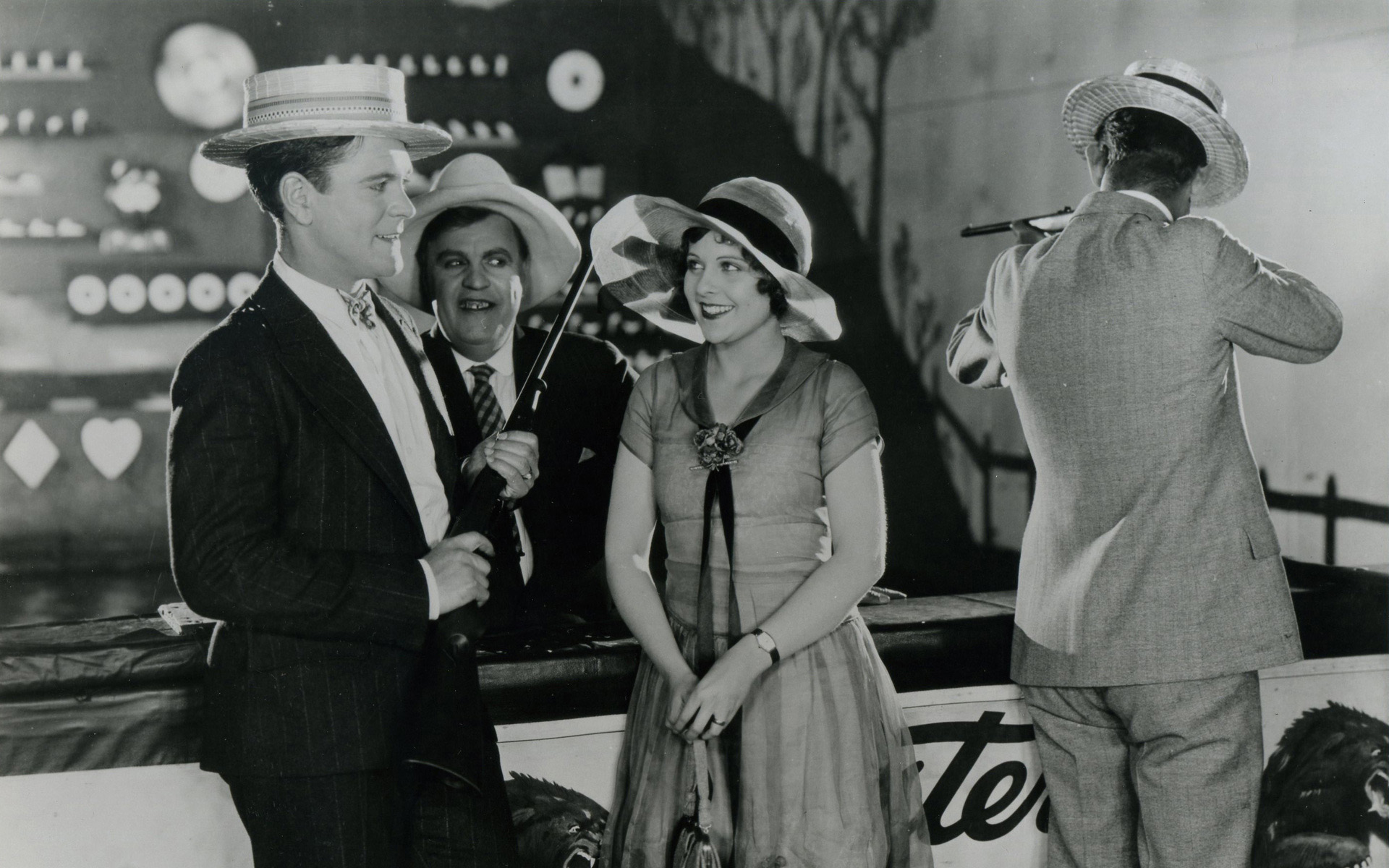
Ambiguous places, halfway between euphoria and terror, haunted by visions of the past and the future alike, amusement parks are a common backdrop in many films. Their shimmering lights, joyful crowds, and exhilarating rides often serve as a stage for contrast, where they reflect, in turn, a desire for illusion, breathless consumerism, melancholic solitude, and buried anxieties.
By chance, Jim, a factory worker, and Mary, a telephone operator, meet at Coney Island. A bond quickly develops between the two, but they are separated in spite of themselves.
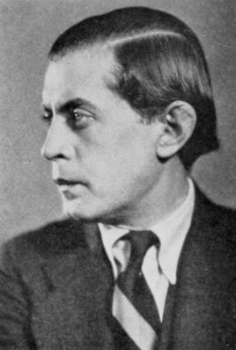
Paul Fejos
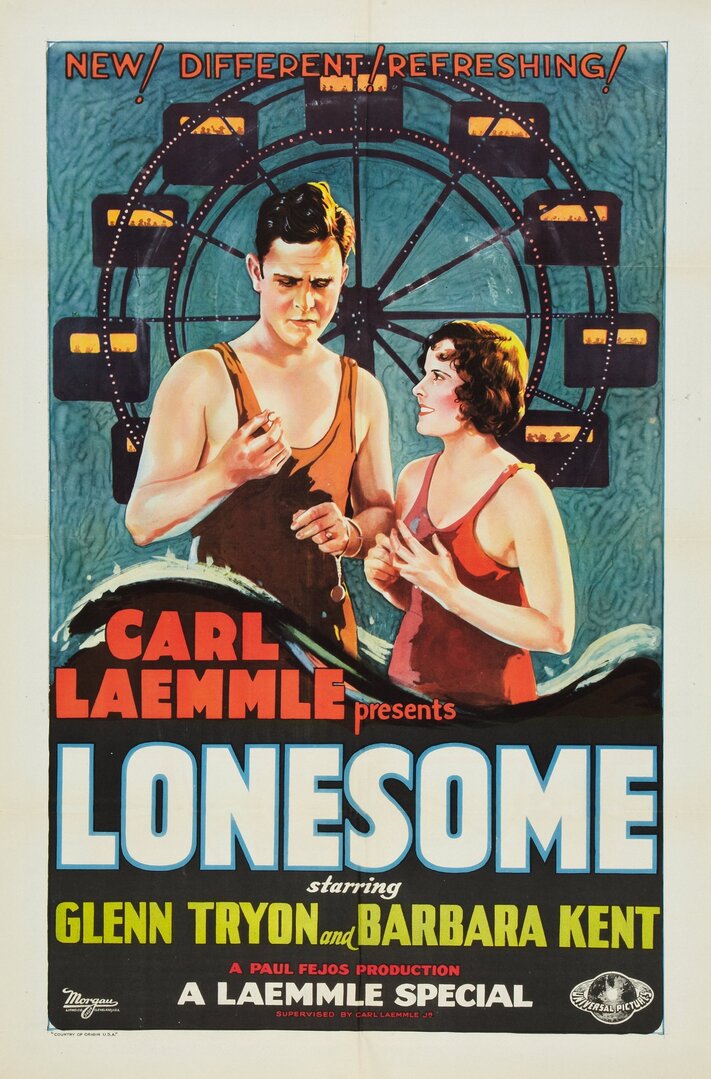
Paul Fejos was a Hungarian-American filmmaker and screenwriter. He also studied medicine in his youth and became a prominent anthropologist later in life. During World War I, he served as a medical orderly on the Italian front lines for the Imperial Austrian Army and also managed a theater that performed for the troops. After the war, Fejos returned to Budapest, where he worked for the Orient-Film production company and began directing films around 1920 for Mobil Studios. In 1923, he fled the White Terror and the Horthy regime, making his way to New York City and eventually Hollywood. There, he began production on his first American feature film, The Last Moment, in 1927. The film's success led him to sign with Universal Studios, where he directed his masterpiece, Lonesome, in 1928. After a series of successful films, Fejos left the United States in 1931 to direct sound films in France. He stopped making films altogether in 1941.