Marianne and Juliane
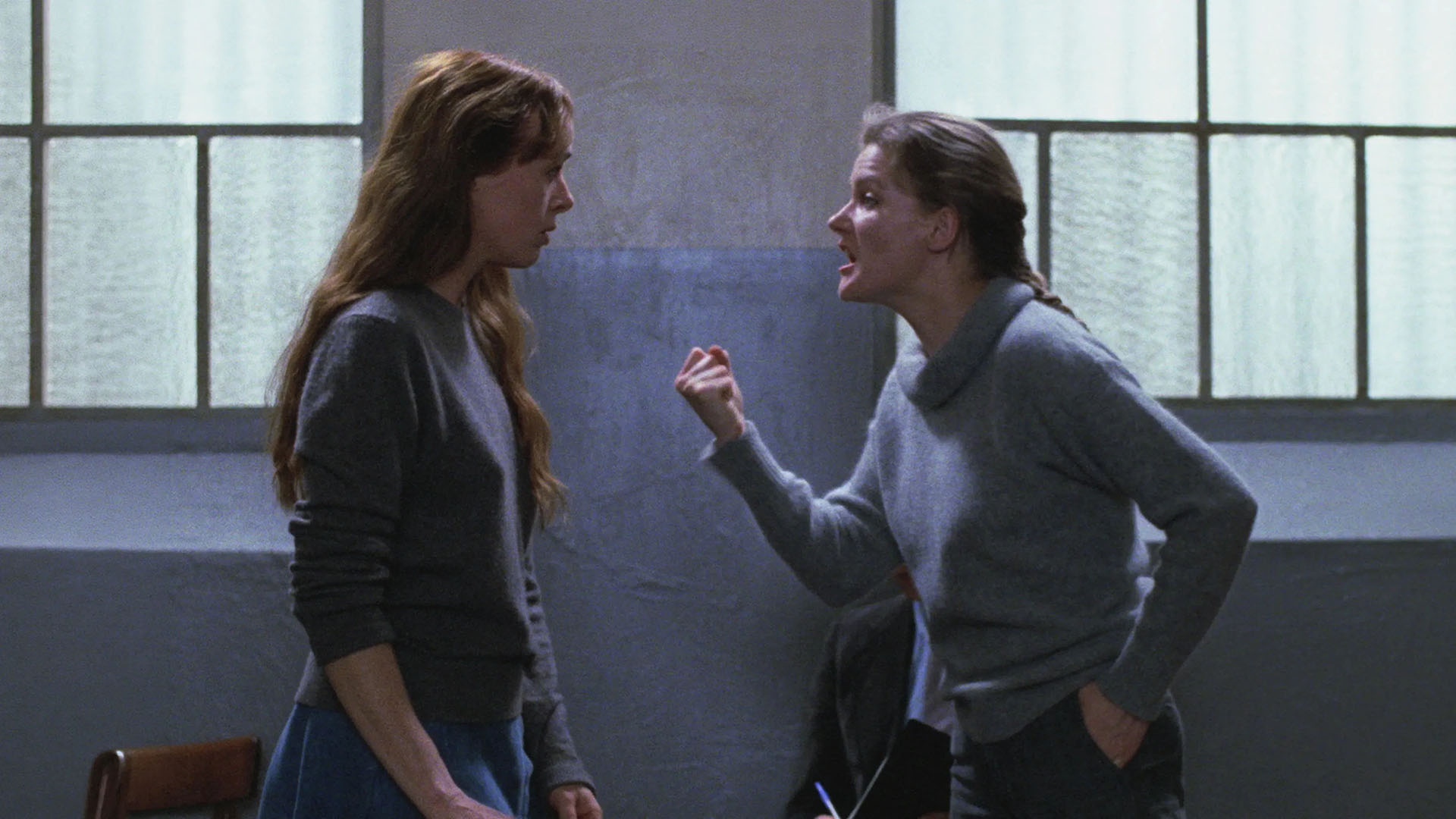
Making her debut in television, Barbara Sukowa made a name for herself on the big screen in 1981 in films by Rainer Werner Fassbinder and Margarethe von Trotta – a director with whom she would work multiple times. In one strong woman role after another, her intense, visceral yet disciplined acting allowed her to portray complex and ambivalent characters, cementing her as one of the greatest actresses in German cinema.
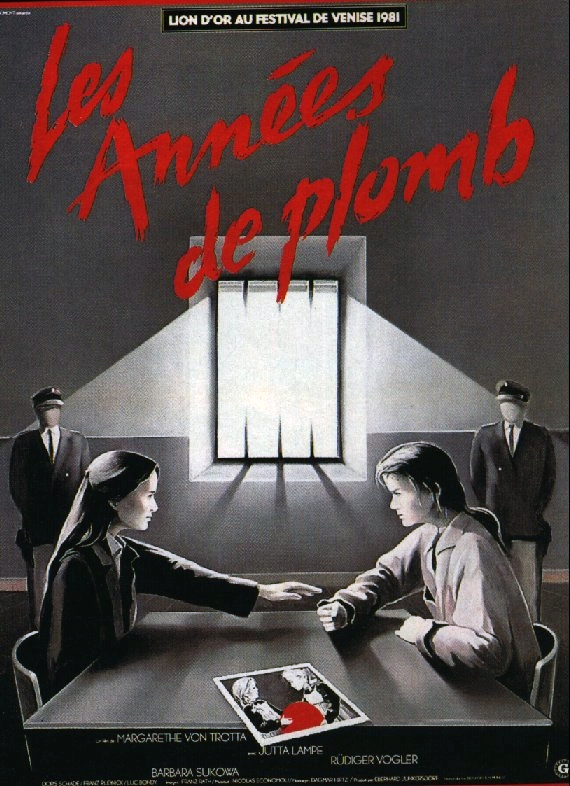
Winner of the Golden Lion, FIPRESCI Prize and Best Actresses award for Barbara Sukowa and Jutta Lampe, 1981 Venice International Film Festival
Marianne and Juliane are two sisters upset by Germany's Nazi past. Juliane used to have a defiant attitude, while her sister was much more docile. The situation change when they become involved in the student revolt of the late 1960s. Juliane militates within the law, while Marianne joins a far-left terrorist organization.
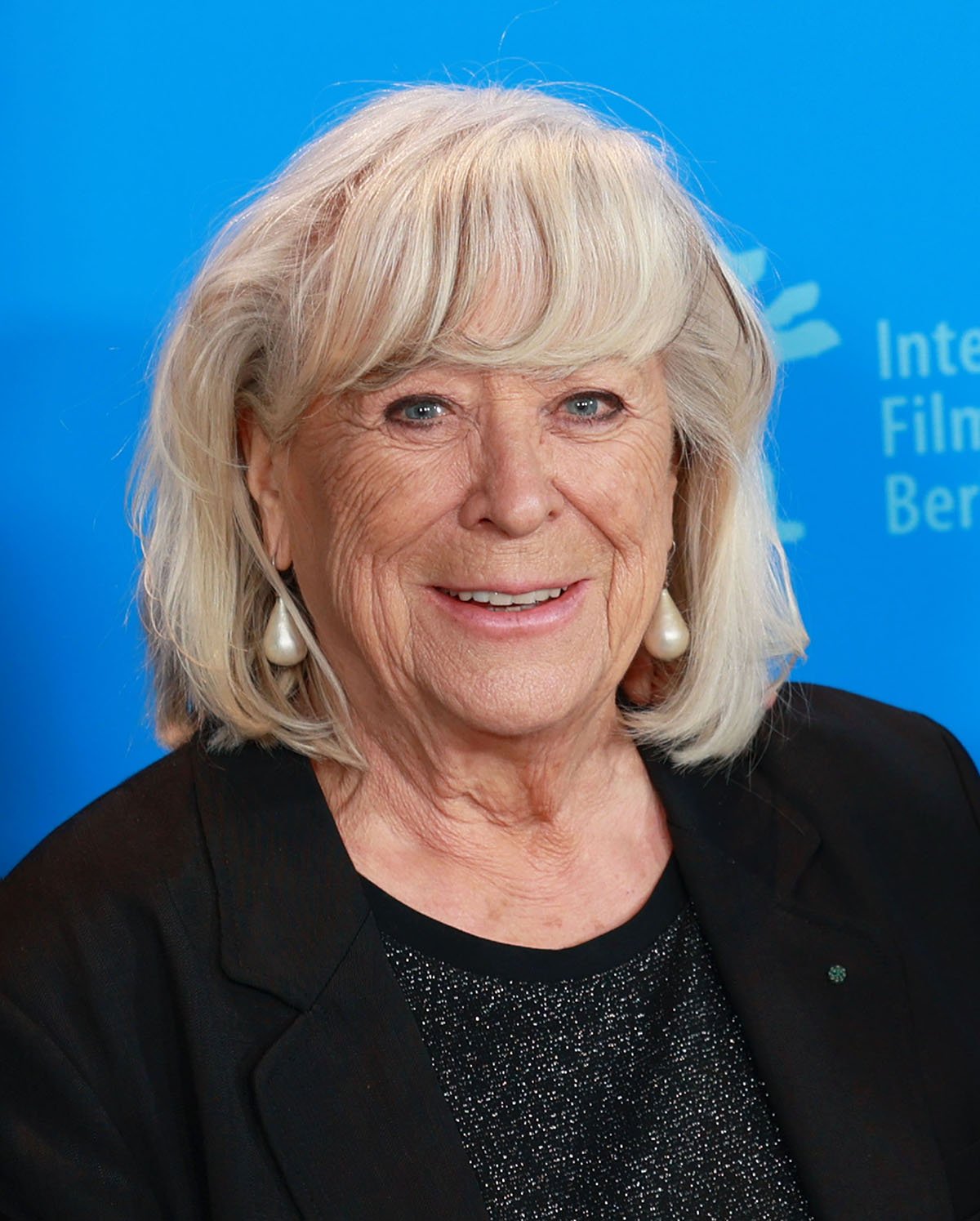
Margarethe von Trotta
Margarethe von Trotta was born in Berlin in 1942, before moving to Düsseldorf with her mother at the end of the war. In the early 1960s, she moved to Paris, where she discovered the films of Ingmar Bergman and the French New Wave, and became involved in film collectives and the production of short films. She then became an actress, notably in films by Rainer Werner Fassbinder and Volker Schlöndorff. With Schlöndorff, she co-directed The Lost Honor of Katharina Blum, before pursuing her career as a solo filmmaker. She then signed The Second Awakening of Christa Klages, in which she affirmed themes that would continue to appear throughout her work, in particular those of solidarity between women, political commitment and the emergence of violence.