Meeting with Pol Pot

In collaboration with a socio-cultural organisation with roots in the Laotian, Vietnamese, and Cambodian diaspora, we are presenting two strands of contemporary cinema addressing the political and cultural history of the late 20th century. One film, directed by Cambodian filmmaker Rithy Panh, looks back at the years of Pol Pot’s regime, while the other focuses on the New Wave years of Vietnamese pop music.
Democratic Kampuchea (Cambodia) - 1978. Three French journalists are invited by the Khmer Rouge to conduct an exclusive interview of the regime’s leader, Pol Pot. The country seems ideal. But behind the Potemkin village, the Khmer Rouge regime is declining and the war with Vietnam threatens to invade the country. The regime is looking for culprits, secretly carrying out a large scale genocide. Under the eyes of the journalists, the beautiful picture cracks, revealing the horror. Their journey progressively turns into a nightmare. Freely inspired by journalist Elizabeth Becker's account in When The War Was Over.

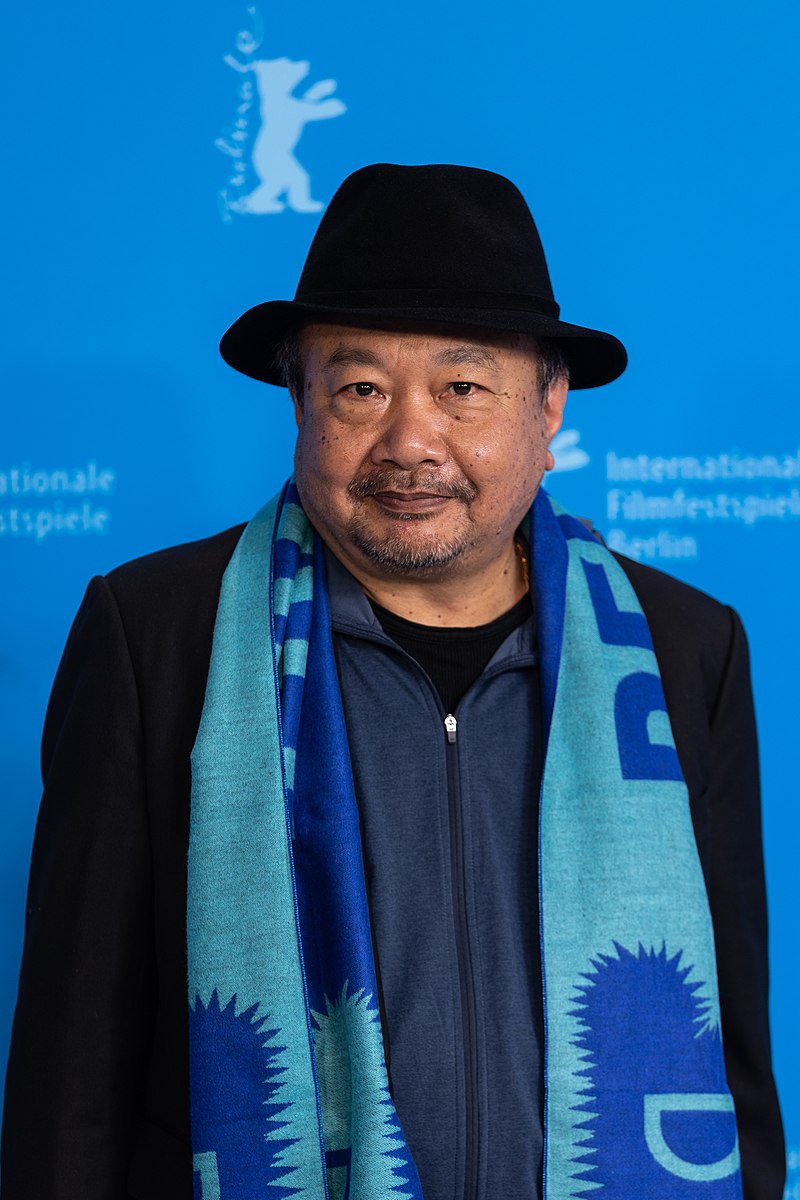
Rithy Panh
Rithy Panh is a French-Cambodian filmmaker, screenwriter, and author. He has dedicated most of his career to exploring the trauma and grief caused by the atrocities of the Khmer Rouge regime between 1975 and 1979. The pain of the survivors of Pol Pot's regime deeply permeates his work. He is committed to a work of remembrance, aiming to reconnect with Cambodian culture through cinema. His film Rice People (1994) was the first Cambodian feature to be presented in competition at the Cannes Film Festival. Nearly two decades later, he won the Prix Un Certain Regard at the same festival for The Missing Picture (2013). His most recent film, Meeting with Pol Pot (2024), also screened at Cannes, revisits the dark years of the Khmer Rouge regime and its leader through a blend of fiction, archival footage, and animation.
Explore
Presented in collaboration with