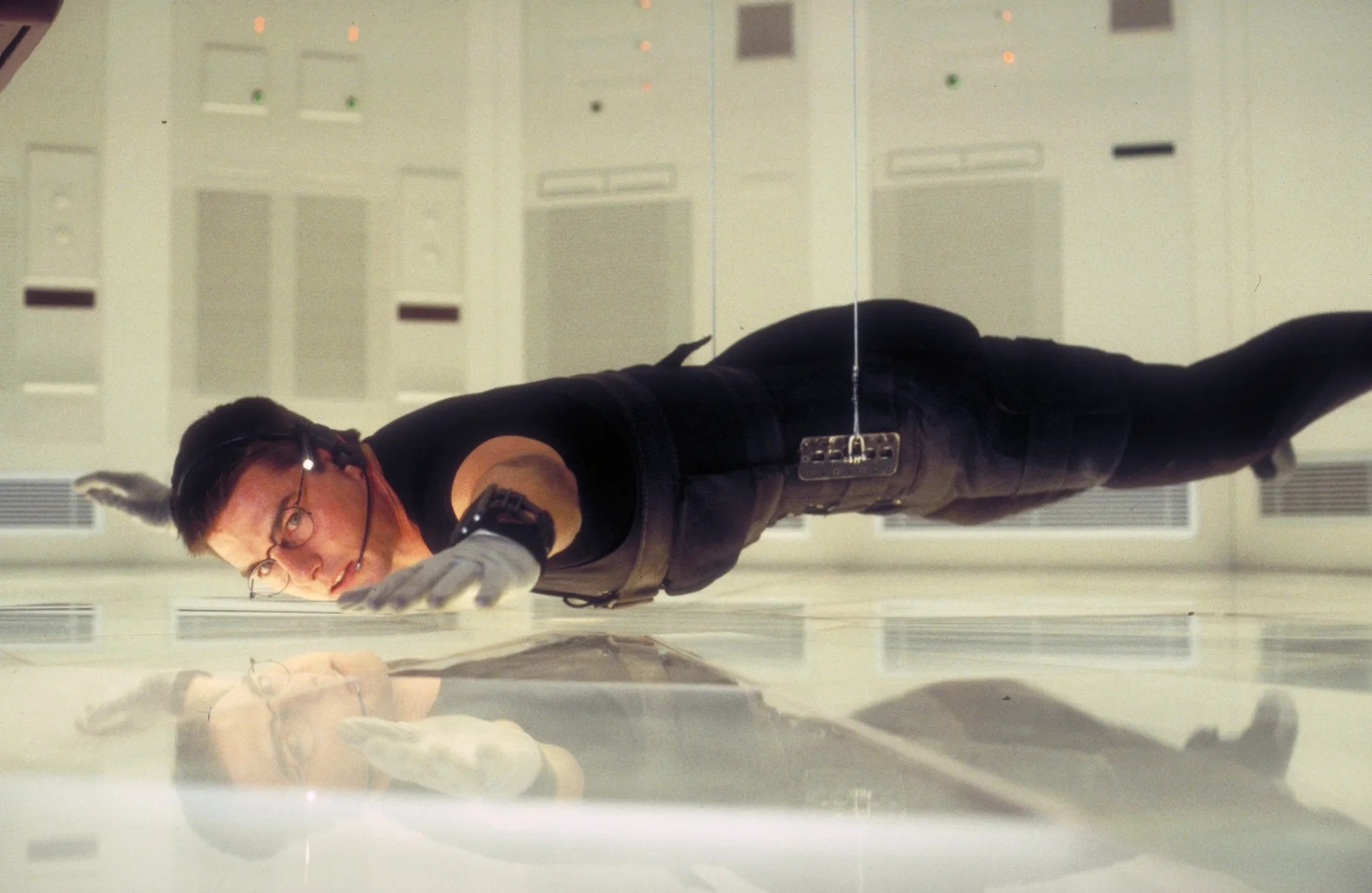
Mission: Impossible
Action! If there’s one word associated with cinema, the tension of movie sets, and the focus of attention, it’s this one. Action is very often at the heart of popular cinema: Harold Lloyd hanging from the clock hands in Safety Last! (1923), Cary Grant threatened and strafed by a plane in North by Northwest (1959), Franka Potente gasping for air in Run Lola Run (1998)... Westerns, swashbuckler films, martial arts or adventure flicks, thrillers, all these genres rely on action—sometimes frenetic, sometimes meticulously measured.
From movies by Sergei Eisenstein to Gilles Carle, from John Ford to John Boorman and Werner Herzog, via Paul Verhoeven, Kathryn Bigelow, Park Chan-wook, Érik Canuel, and Nicolas Winding Refn, this series will take you through the full range of emotions, from laughter to thrills, from fear to satisfaction.
A team of CIA secret agents travels to Prague on a mission. The operation goes awry, and it becomes clear that it was a trap designed to expose a traitor within the group...

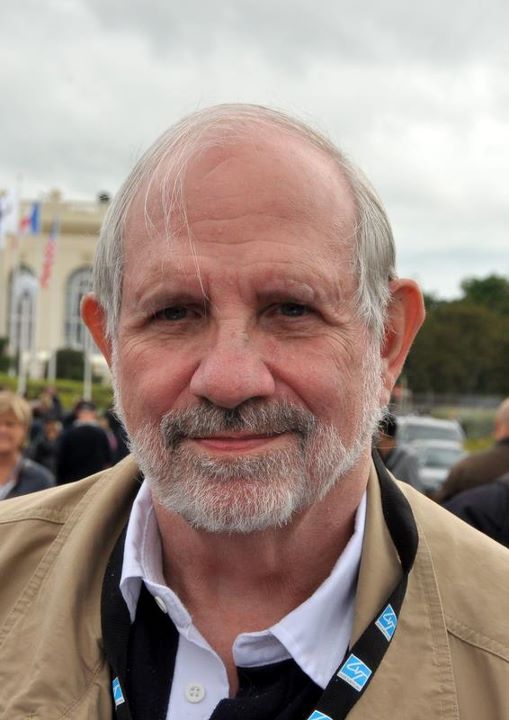
Brian De Palma
Brian De Palma is an American filmmaker, producer, and screenwriter. A major figure of the New Hollywood generation, he is best known for work in the suspense, crime, and psychological thriller genres in a career spanning more than five decades. He directed his first feature film, The Wedding Party (1969), with one of his professors and a fellow student, before making several independent films. Thanks to the success of Greetings (1968), he started to work for major Hollywood studios. He achieved his first commercial successes with Phantom of the Paradise (1974), Carrie (1976), and Dressed to Kill (1980). In the 1980s, Scarface (1983) and The Untouchables (1987) became massive hits. Mission: Impossible (1996) further solidified his influence within the Hollywood industry. Stylistically, while his early films relied heavily on improvisation, his early Hollywood period was marked by the influence of Alfred Hitchcock. De Palma is also known for his frequent use of the long takes.