Mysterious Object at Noon
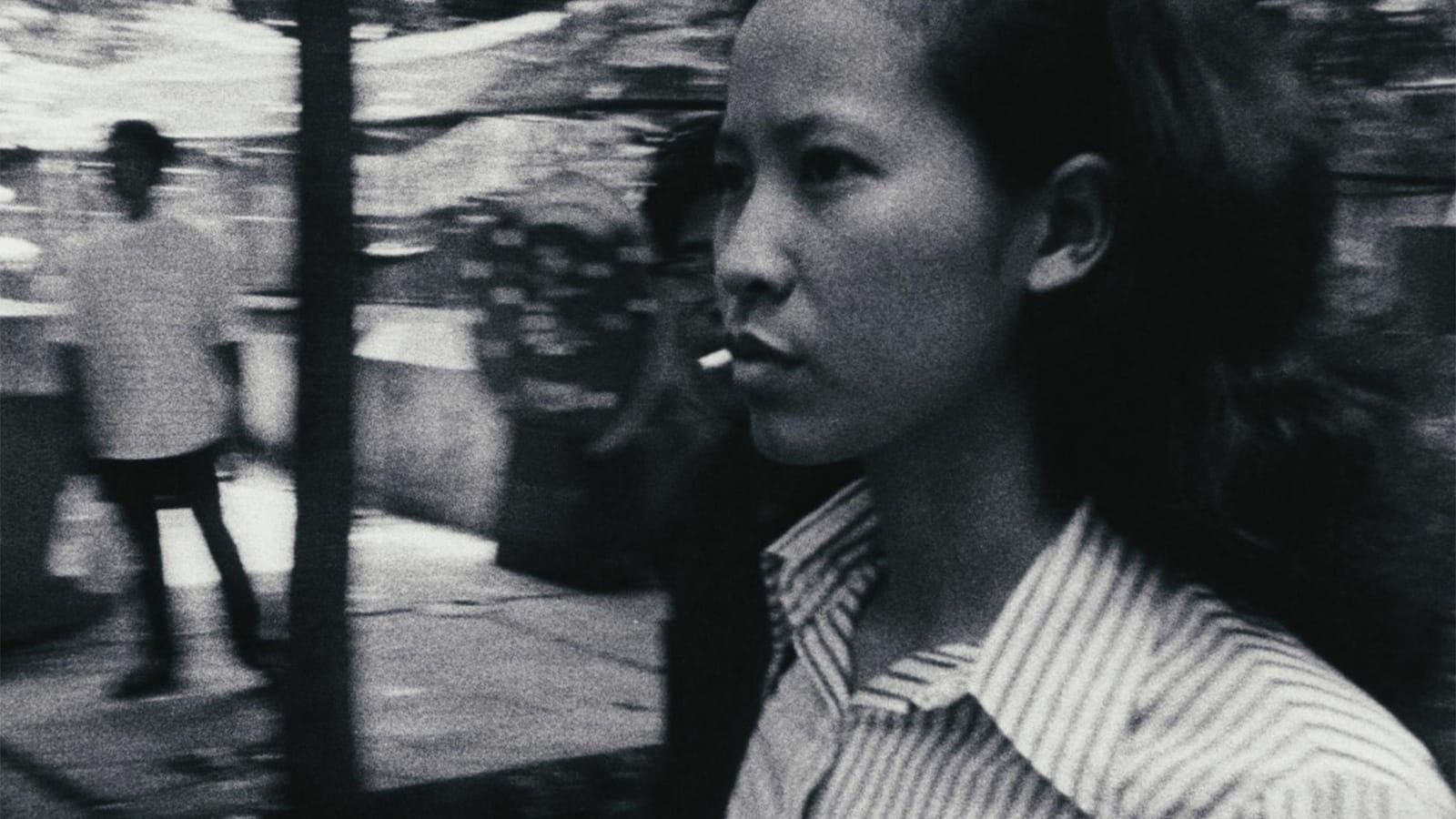
Film critic Louis-Jean Decazes has curated this program to give viewers a chance to reconnect with the fundamentals of cinema, that window onto the world. Most of the films in this series explore themes of disorientation and a sense of being out of sync. With sought-after and rare films from Straub-Huillet, Akerman, Ivens...
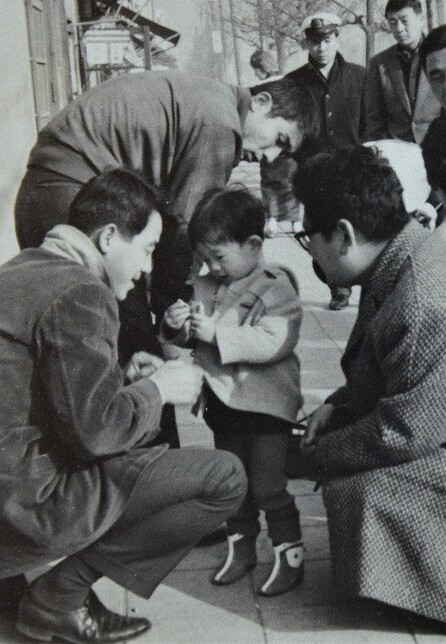
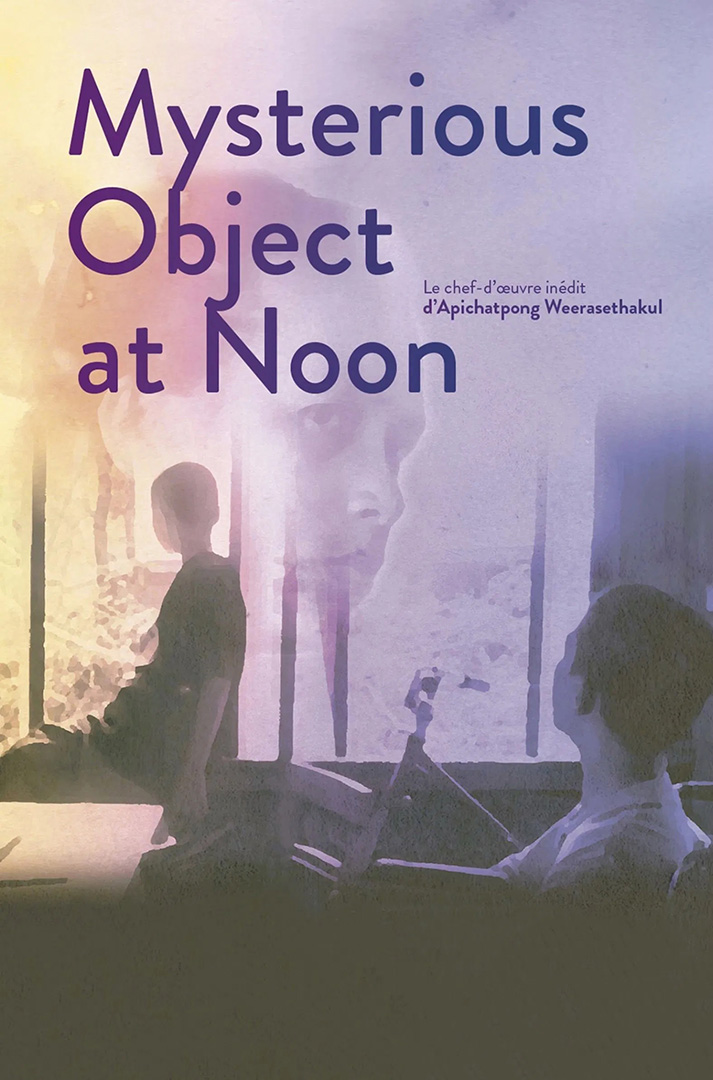
Apichatpong Weerasethakul meets with locals and involves them in the creation of an improvised narrative that is constructed like an exquisite corpse with everyone's collaboration. The result is a magical story in which the boundaries between reality and imagination are blurred, a technique that the filmmaker would go on to repeat many times.
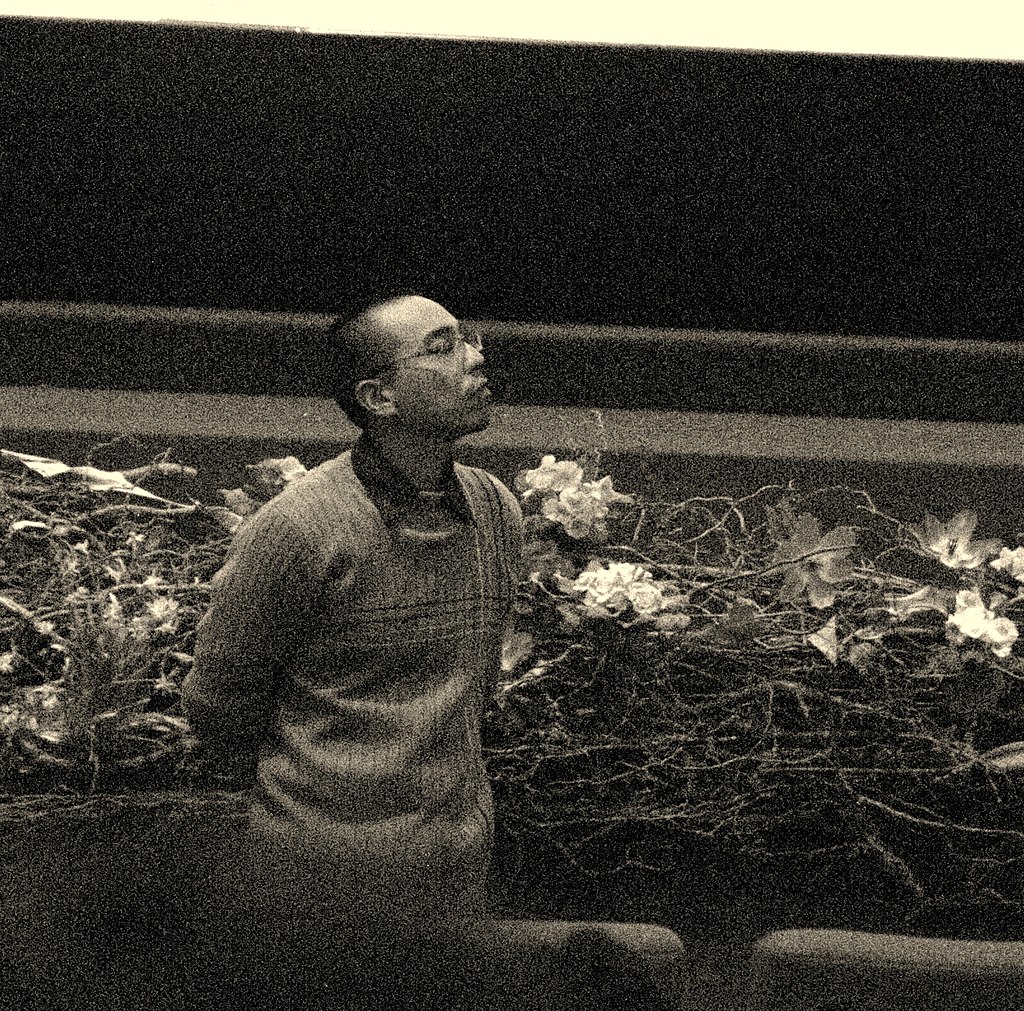
Apichatpong Weerasethakul
Apichatpong Weerasethakul is a Thai independent film director, screenwriter, film producer and Professor at Tama Art University in Tokyo. Working outside the strict confines of the Thai film studio system, Apichatpong has directed several features and dozens of short films. His feature films include Cemetery of Splendour (2015), Uncle Boonmee Who Can Recall His Past Lives (2010), winner of the Palme d'or at the Cannes Film Festival, Syndromes and a Century (2006), the first Thai film to be entered in competition at the Venice International Film Festiva, and Tropical Malady (2004), winner the Jury Prize at the Cannes Film Festival. He also received numerous additional accolades. Themes reflected in his films include dreams, nature, sexuality (including his own homosexuality), and Western perceptions of Thailand and Asia. His films also display a preference for unconventional narrative structures and for working with non-actors.
Explore
On our blog
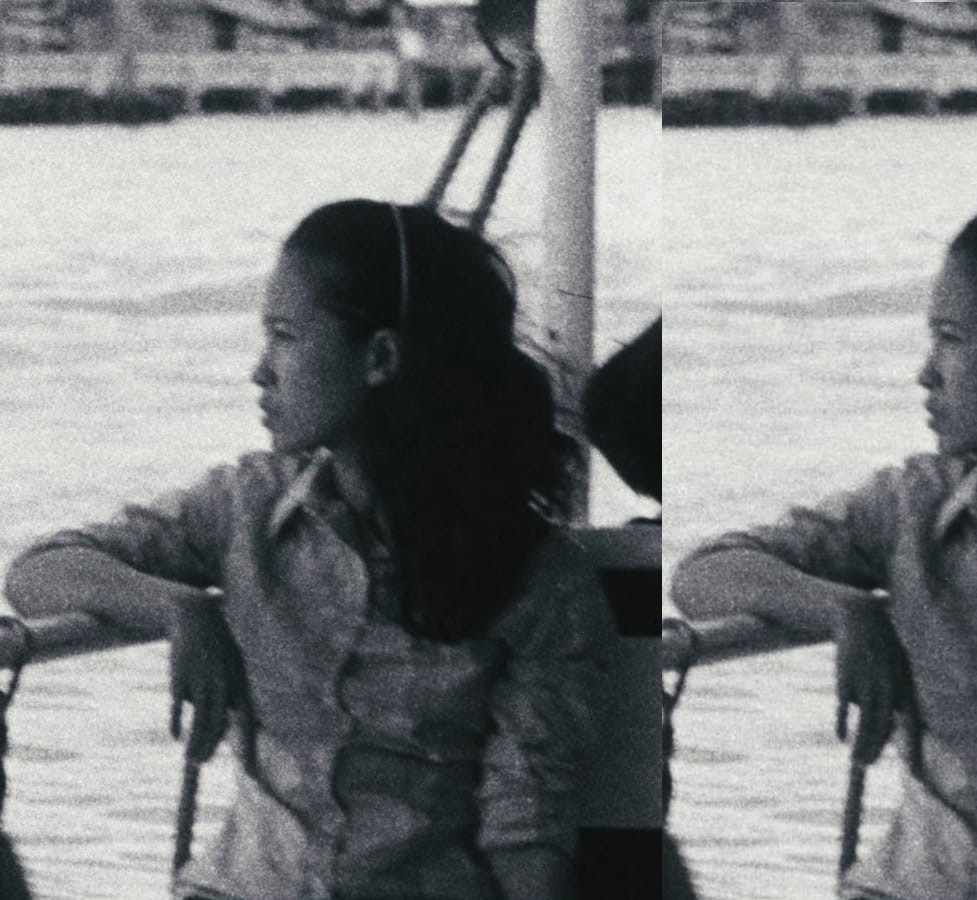
Travelogues, images en errance
Dès les origines du cinéma, la curiosité du regard occidental s’empare de ce nouvel outil, la caméra, pour explorer l’ailleurs. À l’orée du XXe siècle, les travelogues – ces documentaires de voyage mêlant découverte et exotisme – émergent dans le sillage de l’invention des frères Lumière. Munis de leurs appareils, opérateurs, ethnographes et explorateurs capturent des images du lointain avec une ambition d’objectivité, offrant au public une fenêtre inédite sur des cultures étrangères, souvent fantasmées.