Natural Born Killers
Action! If there’s one word associated with cinema, the tension of movie sets, and the focus of attention, it’s this one. Action is very often at the heart of popular cinema: Harold Lloyd hanging from the clock hands in Safety Last! (1923), Cary Grant threatened and strafed by a plane in North by Northwest (1959), Franka Potente gasping for air in Run Lola Run (1998)... Westerns, swashbuckler films, martial arts or adventure flicks, thrillers, all these genres rely on action—sometimes frenetic, sometimes meticulously measured.
From movies by Sergei Eisenstein to Gilles Carle, from John Ford to John Boorman and Werner Herzog, via Paul Verhoeven, Kathryn Bigelow, Park Chan-wook, Érik Canuel, and Nicolas Winding Refn, this series will take you through the full range of emotions, from laughter to thrills, from fear to satisfaction.
Winner of the Grand Special Jury Prize, 1994 Venice International Film Festival
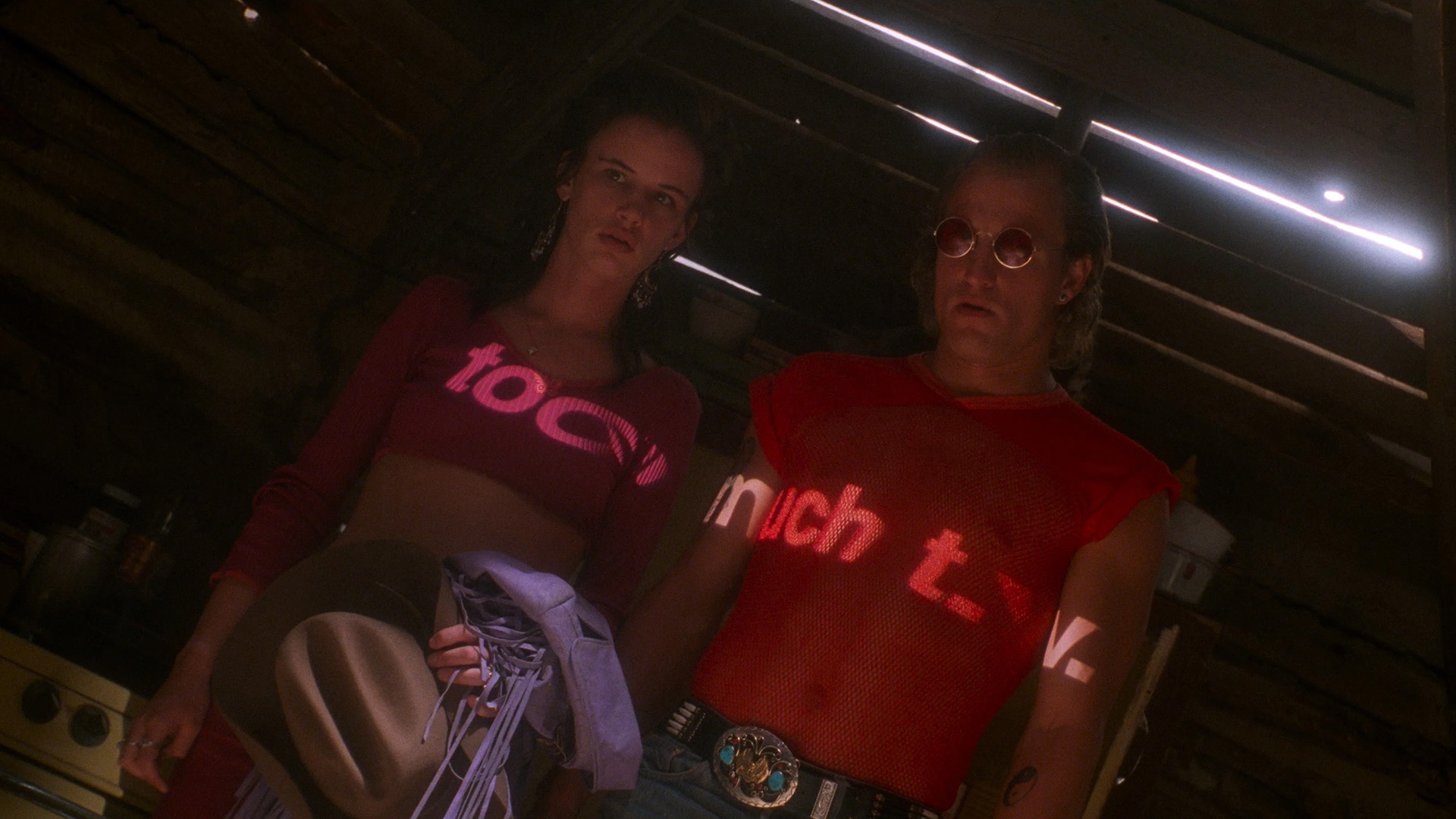
Two murderous psychopaths with unhappy childhoods become stars because of the complacency of the media. Based on an original screenplay by Quentin Tarantino.

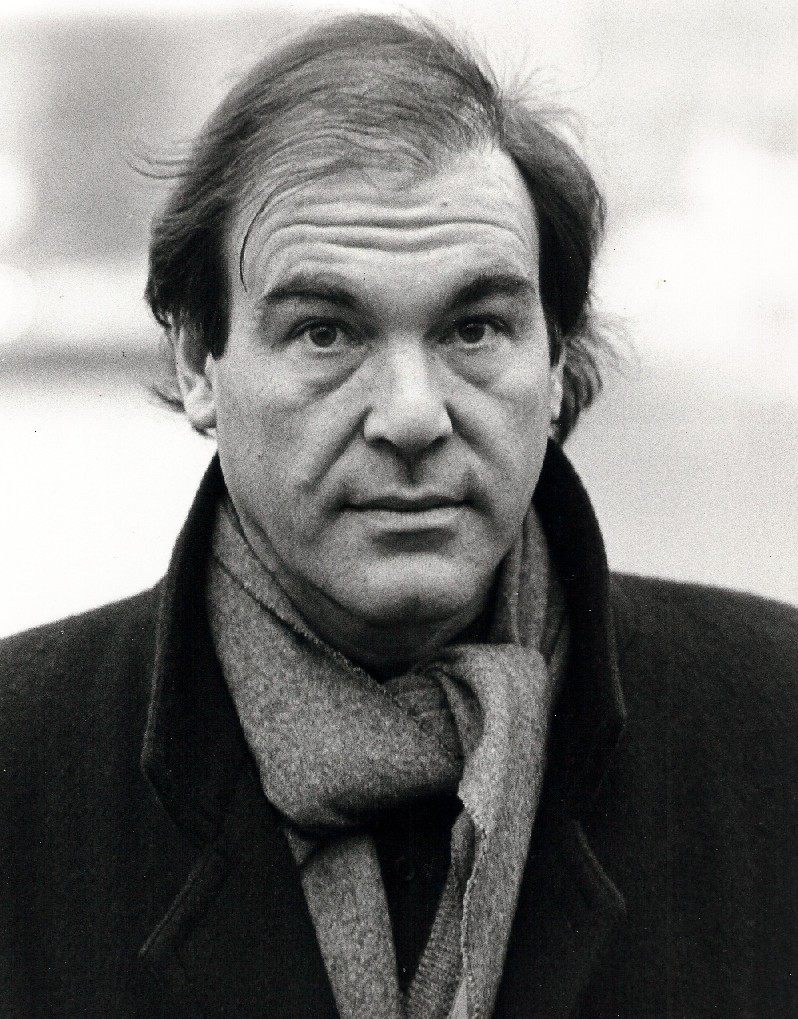
Oliver Stone
Oliver Stone is an American filmmaker, screenwriter, and producer. His youth was shaped by his experience as a soldier in the Vietnam War. His service there became the foundation for the stark portrayals of war and its aftermath in his work. Stone began his career as a screenwriter for films such as Midnight Express (1978), for which he won the Academy Award for Best Adapted Screenplay, Conan the Barbarian (1982) and Scarface (1983). He then rose to prominence as writer and director of the Vietnam War film dramas Platoon (1986) and Born on the Fourth of July (1989), receiving Academy Awards for Best Director for both films, the former of which also won Best Picture. He also directed Salvador (1986), Wall Street (1987), The Doors (1991), JFK (1991), Natural Born Killers (1994), Nixon (1995), Any Given Sunday (1999), W. (2008) and Snowden (2016). Many of Stone's films focus on controversial American political issues during the late 20th century, and as such were considered contentious at the times of their releases. Stone has been critical of American foreign policy, which he considers to be driven by nationalist and imperialist agendas. Like his subject matter, Stone is a controversial figure in American filmmaking, with some critics accusing him of promoting conspiracy theories.