Night of the Living Dead
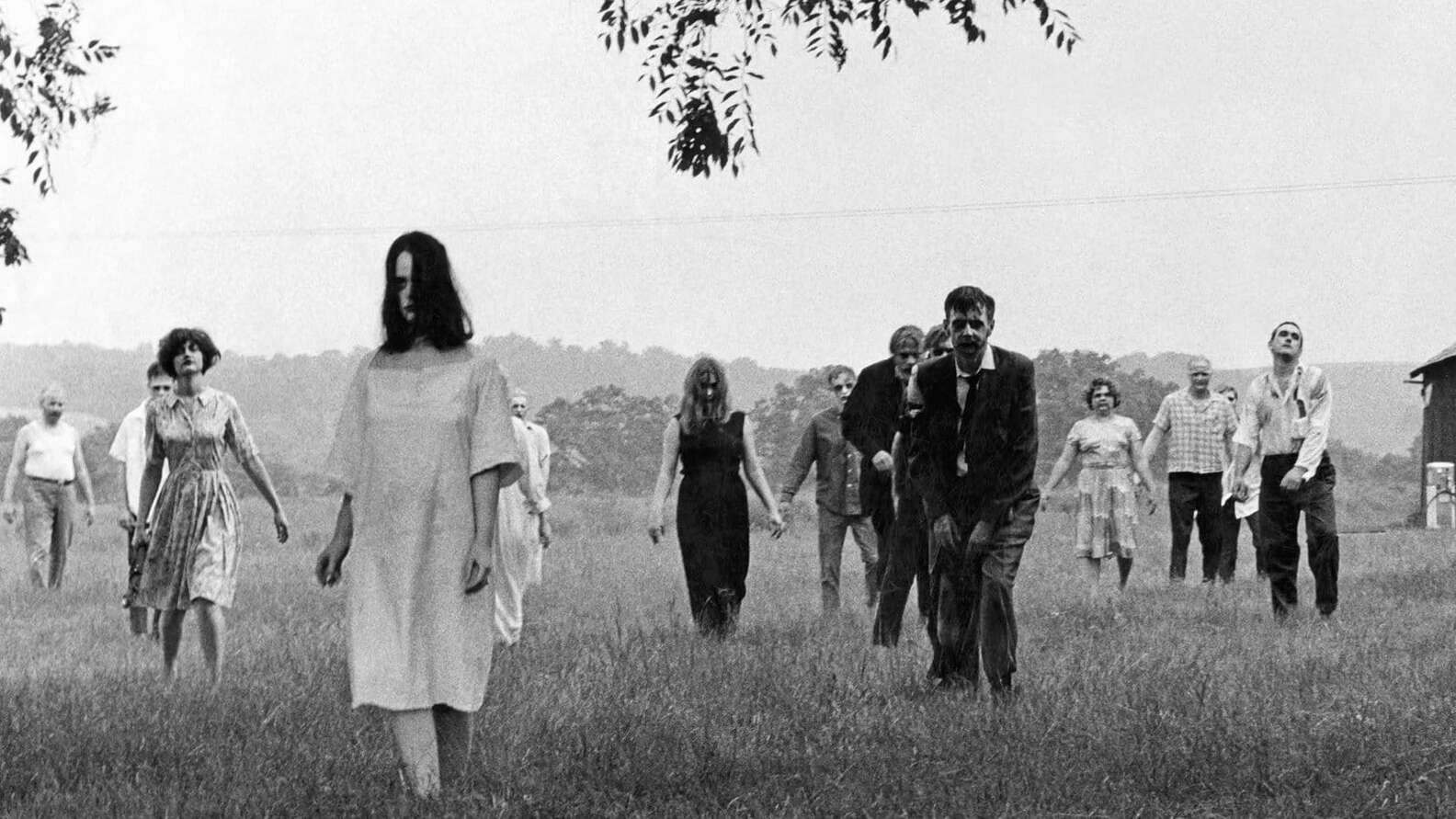
Cinema is a screen onto which we can project our fears, torments and the monstrosities of the world. The screen protects us from what we see, but cinema has also permanently anchored our nightmares around a few powerful images (empty houses, hostile attics and basements, demonic masks, bloodcurdling grimaces, disturbing postures). Throughout the summer, the Cinémathèque québécoise will be presenting a series of films encompassing more than one hundred and twenty years of horror, reminding us that what scares us most is to make the deepest of our fears tangible and credible.
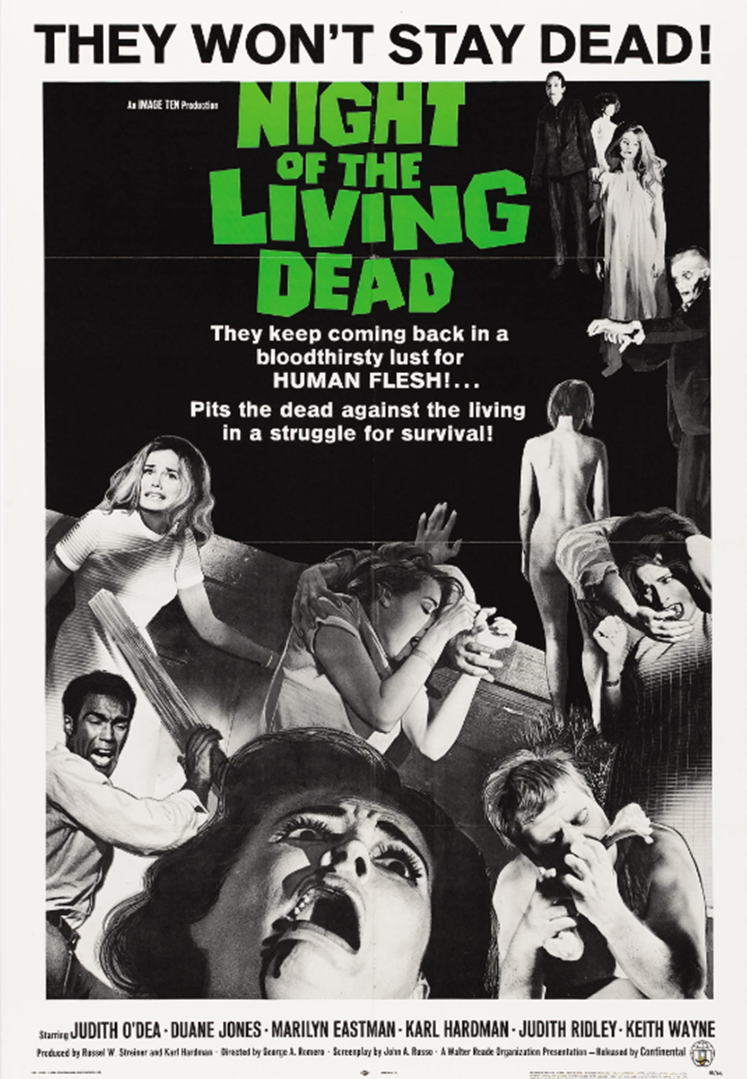
A man and a woman barricade themselves in a country house to protect themselves from an invasion of murderous zombies who devour their victims.
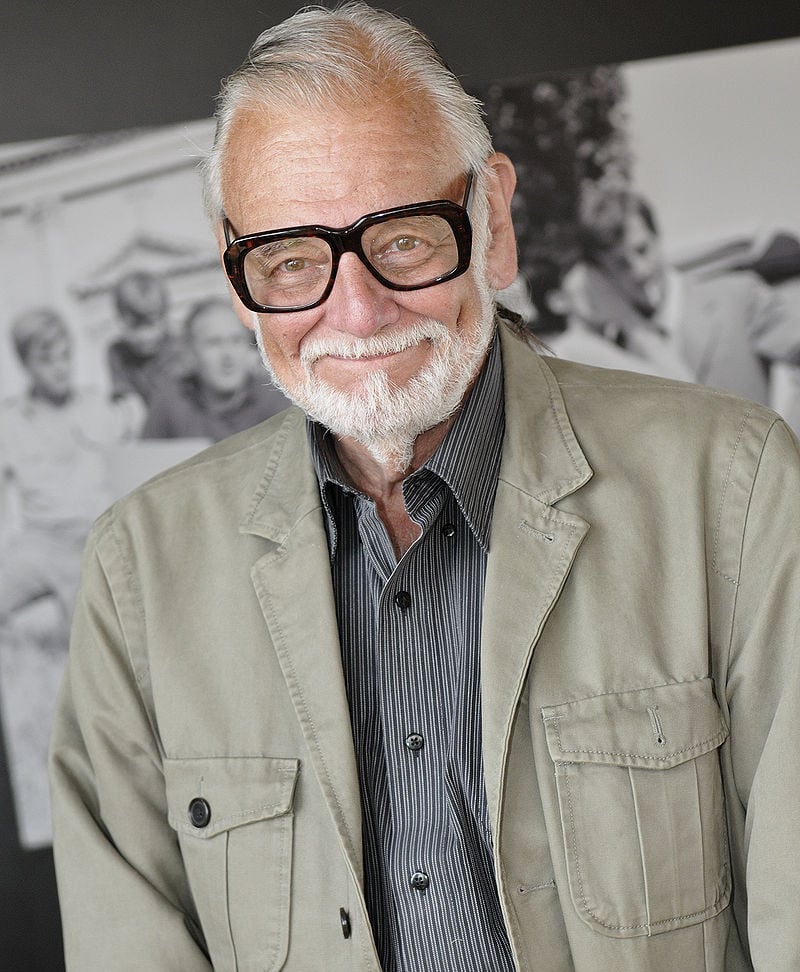
George A. Romero
George A. Romero was an American-Canadian film director, writer, editor and actor. He is regarded as an influential pioneer of the horror film genre, particularly zombie films, for which he has been called an "icon." The first half of his Night of the Living Dead series — Night of the Living Dead (1968), Dawn of the Dead (1978), and Day of the Dead (1985) — are considered three of the best and most influential horror films ever made, and were major contributors to the image of the zombie in modern culture. Noted for his frequent social commentary, Romero had a prolific career outside of zombie films, albeit mostly still within horror: The Crazies (1973), The Amusement Park (1975), Martin (1977), Creepshow (1982) and Monkey Shines (1988) are regarded as minor cult works, as is his anthology television series Tales from the Darkside (1983-1988). His ventures outside horror include the feminist drama Season of the Witch (1972) and the action film Knightriders (1981), while his final three films form the second half of his Night of the Living Dead franchise.
.jpg)