No Mercy, No Future
Known outside Central Europe for her film Germany, Pale Mother (1980), this filmmaker deserves to be rediscovered. Drawing from German literary culture and aesthetics to better explore both recent and ancient European history, her films resonate strongly in our contemporary era.
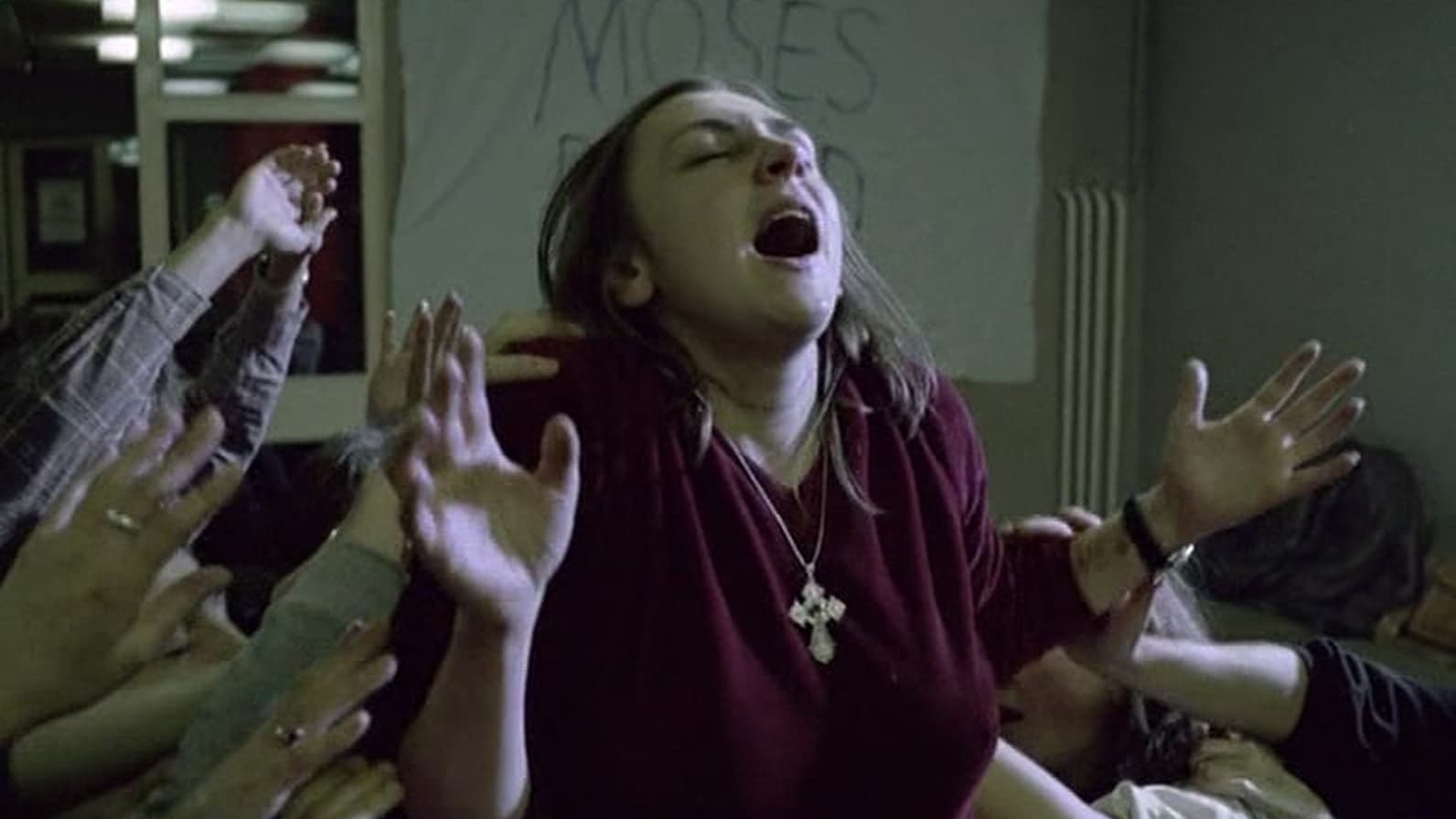
Only daughter of a wealthy, conservative bourgeois family, Veronika Christoph has spent time in psychiatric clinics. She wanders through wintry Berlin in search of Jesus Christ, whom she thinks she recognizes in the men she meets. Can an encounter save her from her torment?
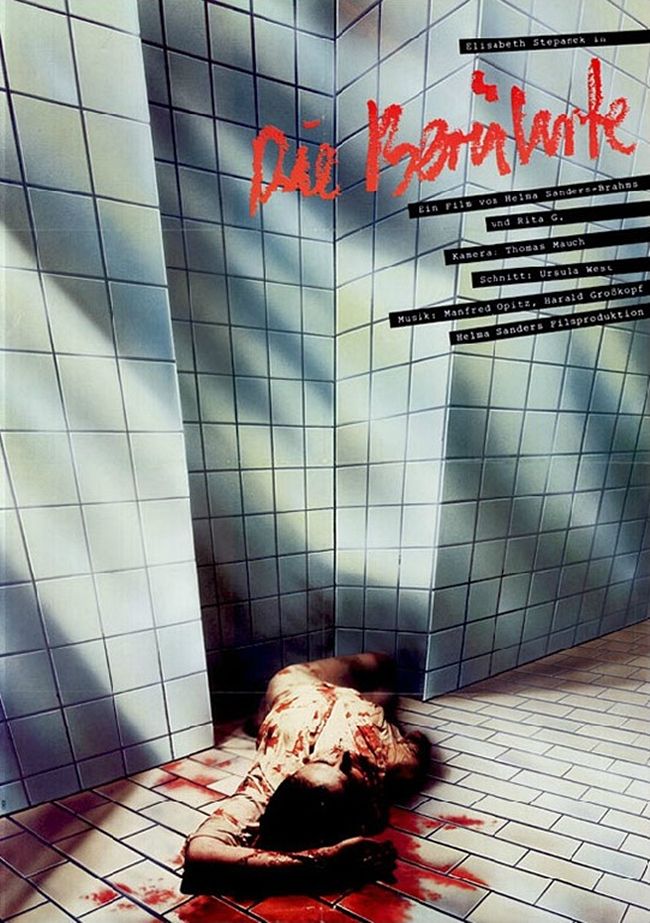
Helma Sanders-Brahms
In the 1960s, Helma Sanders-Brahms worked as a caregiver and TV presenter before becoming an assistant to Sergio Corbucci and Pier Paolo Pasolini. She began directing her own films, ranging from fiction to documentaries, and many containing autobiographical elements, in 1969. Her first films tackled themes such as labor, migration, and the situation of women in West Germany. By the late 1970s, she moved away from overtly political subjects to favour more personal stories, intertwining mother-daughter relationships with Germany’s turbulent history. She gained international recognition with Germany, Pale Mother (1980), a film depicting the daily lives of German women during and after the Nazi era. This work established her as a significant figure of New German Cinema, alongside Rainer Werner Fassbinder, Werner Herzog, and Wim Wenders.

Explore
Presented in collaboration with