Of Whales, the Moon and Men
Werner Nold, who recently passed away, is one of the most important documentary editors in Quebec’s history, and a pioneer of direct cinema. We will pay tribute to his work through a series of screenings, also highlighting his contributions as a filmmaker.
Winner of the Film of the Year award, 1964 Canadian Screen Awards
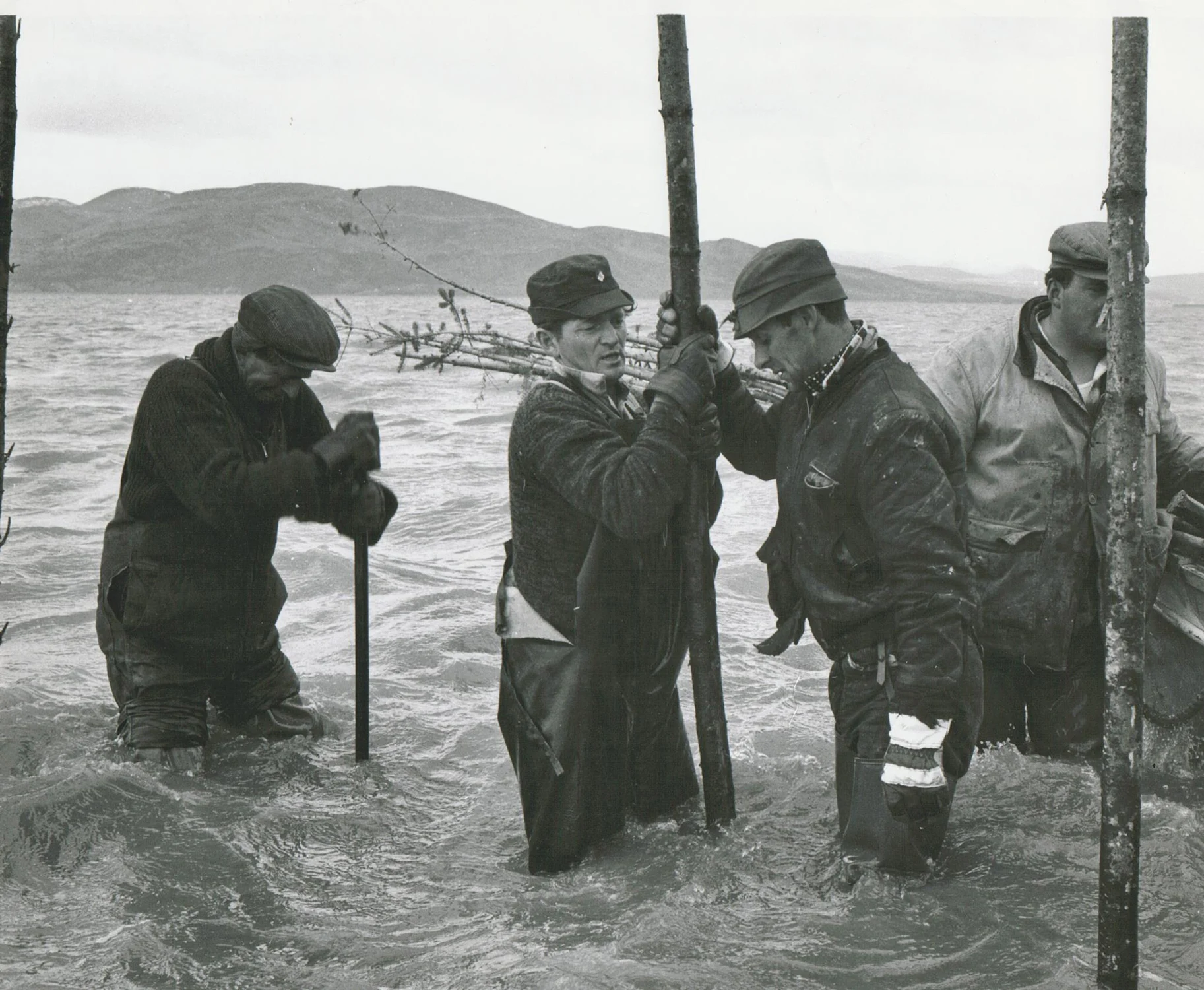
This feature-length documentary is the unrehearsed story of what happened when old-timers from Île-aux-Coudres, a small island in the St. Lawrence River, were persuaded to revive a local whale-catching practice. Through the magic of words and the mystery of the catch, the film uncovers a spirituality rooted in the moon and the rhythm of the tides. More than a documentary, it is a fresco of the myths and legends among the traditional fishing communities of Quebec. A true masterpiece of direct cinema.
Michel Brault
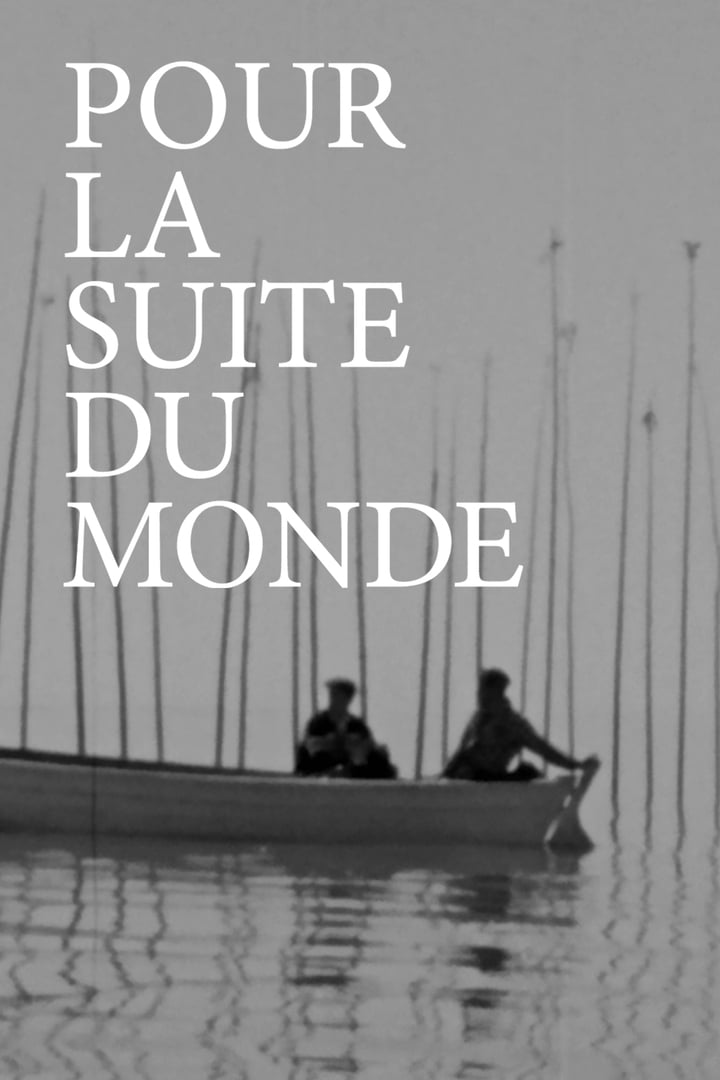
Born in 1928, Michel Brault first devoted himself to photography. He joined the National Film Board as a cameraman in 1956. He collaborated on several films of the famous series Candid Eye, produced by the English team. He gradually turns to directing, a field in which he distinguishes himself, with the help of a portable camera, with which he captures the changing landscape of identity in Quebec during the Revolution tranquille. In 1958 he made the seminal film Les raquetteurs with Gilles Groulx and Marcel Carrière. In 1963, Brault and Pierre Perrault made Pour la suite du monde, which became the first classic of Quebec direct cinema. He also directed the film Les ordres in 1974. In addition to his work as a director, Michel Brault was the director of photography for such landmark films as Entre tu et vous (Gilles Groulx, 1969), Mon oncle Antoine (Claude Jutra, 1971), Kamouraska (Claude Jutra, 1973) and Les bons débarras (Francis Mankiewicz, 1980). His career will total more than 200 films, as director or director of photography.
Pierre Perrault
Born in 1927, Pierre Perrault was a Quebecois filmmaker, essayist, writer, poet, and playwright. He is one of the pioneers of direct cinema. In 1955, he started to work as a writer for Radio-Canada. During a trip to Charlevoix the following year, he began recording local music and interviewing residents of the region accompanied by his wife and collaborator Yolande Simard. This material inspired a radio and a television series of the same name: Au pays de Neufve-France. This series led Perrault to take a greater interest in cinema. He proposed to the National Film Board to make a film about beluga whale hunting with Michel Brault whom he met at that time. Pour la suite du monde (1963) was screened at the Cannes Film Festival, a first for a Canadian feature film. He made a short film and two other feature films on L'Isle-aux-Coudres. He then directed more political works, such as Un pays sans bon sens (1970), a departure from direct cinema. However, he immediately returned to this form in his next work, L'Acadie, l’Acadie ?!? (1971), co-directed by Brault. He stayed politically engaged as he continued his career as a filmmaker with documentaries in Abitibi and Northern Quebec, and even attempted to trace the discovery of the province of Quebec.
Photo: Collections de la Cinémathèque québécoise
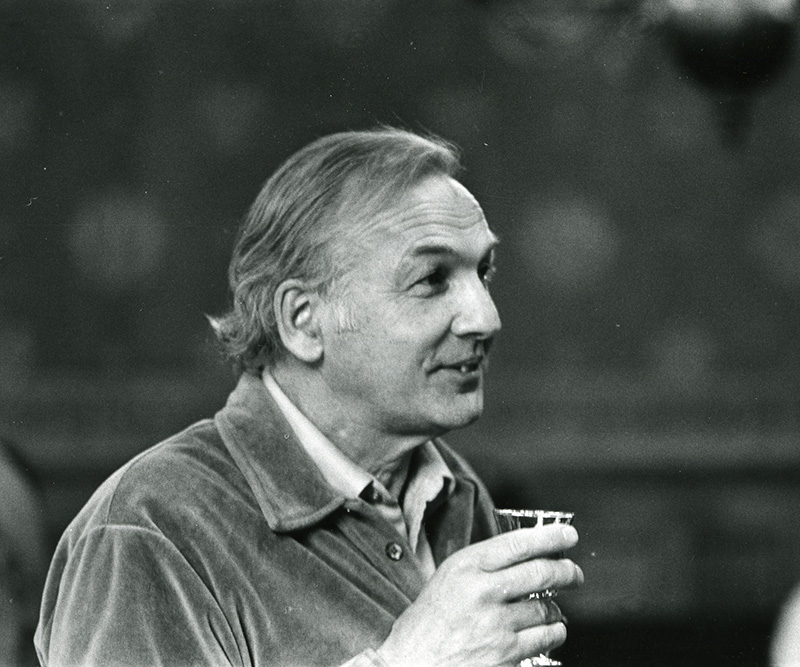
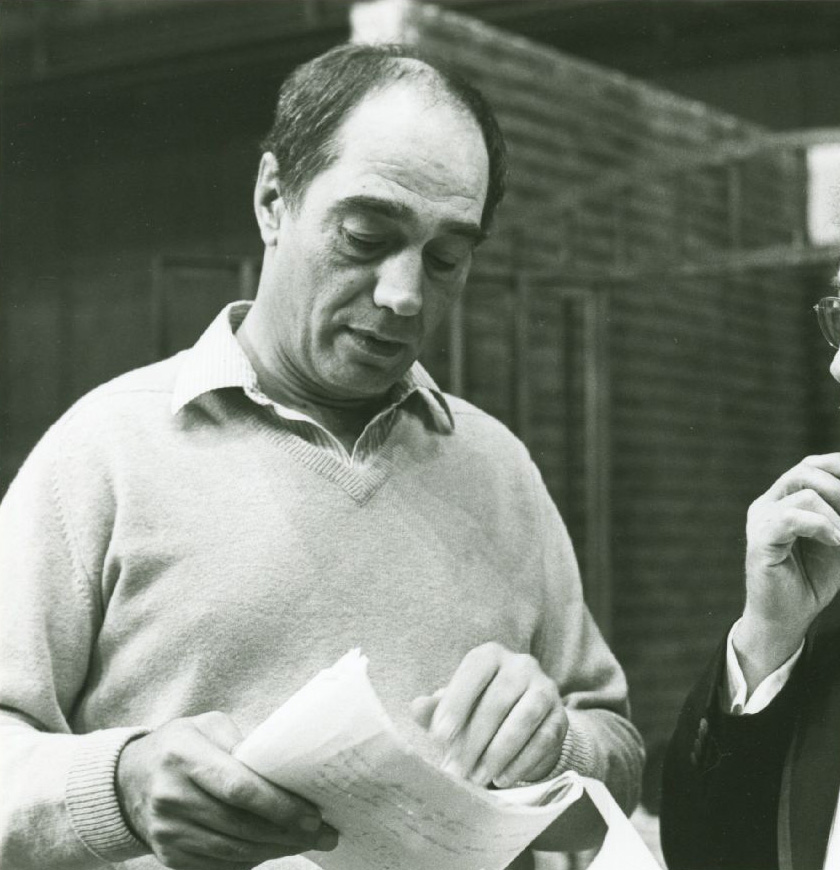
Werner Nold
Born in 1933 in Switzerland, Werner Nold had a prolific career as an editor, working for more than 35 years at the National Film Board of Canada. Not only did Werner Nold edit various notable works (Pour la suite du monde, La vie heureuse de Léopold Z, Le temps d’une chasse), but he also devoted time to teaching, notably at the École normale d’enseignement technique at the Université du Québec à Montréal, in Chicoutimi, and at Florida State University in the United States. He was Chairman of the Professional Quality Commission at the NFB and director of the Rendez-vous du cinéma québécois. In 1985, Werner Nold was awarded the Order of Canada. According to Michel Coulombe, in Le dictionnaire du cinéma québécois in 1999, Nold chose editing over directing because he said he preferred “to be a great soloist rather than an obscure little conductor.” Few Quebec filmmakers have supported the development and distribution of cinema with such vigor.
Photo: Collections de la Cinémathèque québécoise