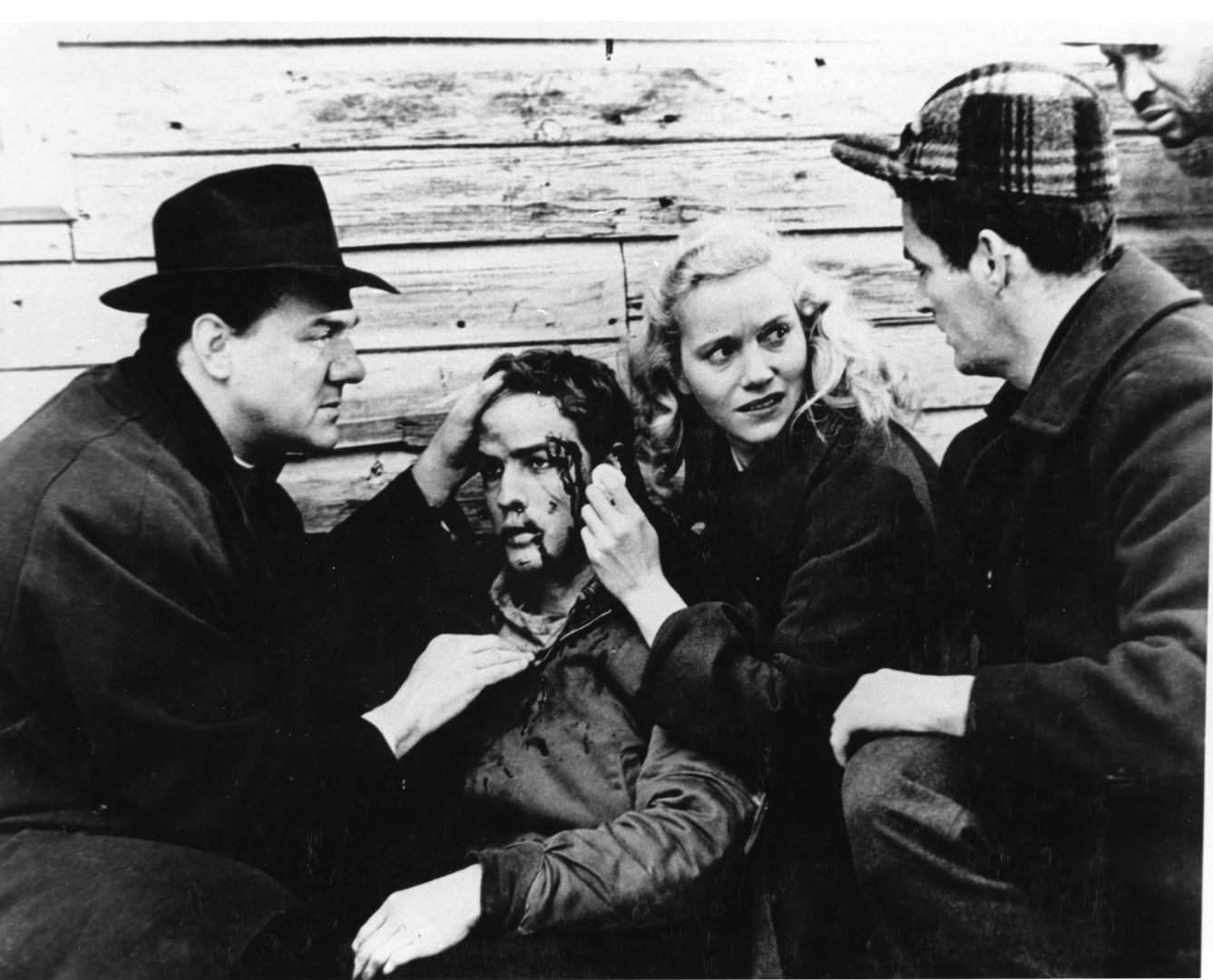
On the Waterfront
Making lists is an activity moviegoers are fond of. Every year, the same ritual: compilation of the ten best films, with comparative analyses, debates, heated discussions. But what about the ultimate list of the most outstanding films in the history of cinema? That is to say, those films that must be seen, those that have forever transformed the art of cinema, but also our way of seeing a culture, of understanding the world as well as our own lives? This program aims to tackle this challenge with nearly eighty films, produced between 1916 and 1960, while waiting for your lists!
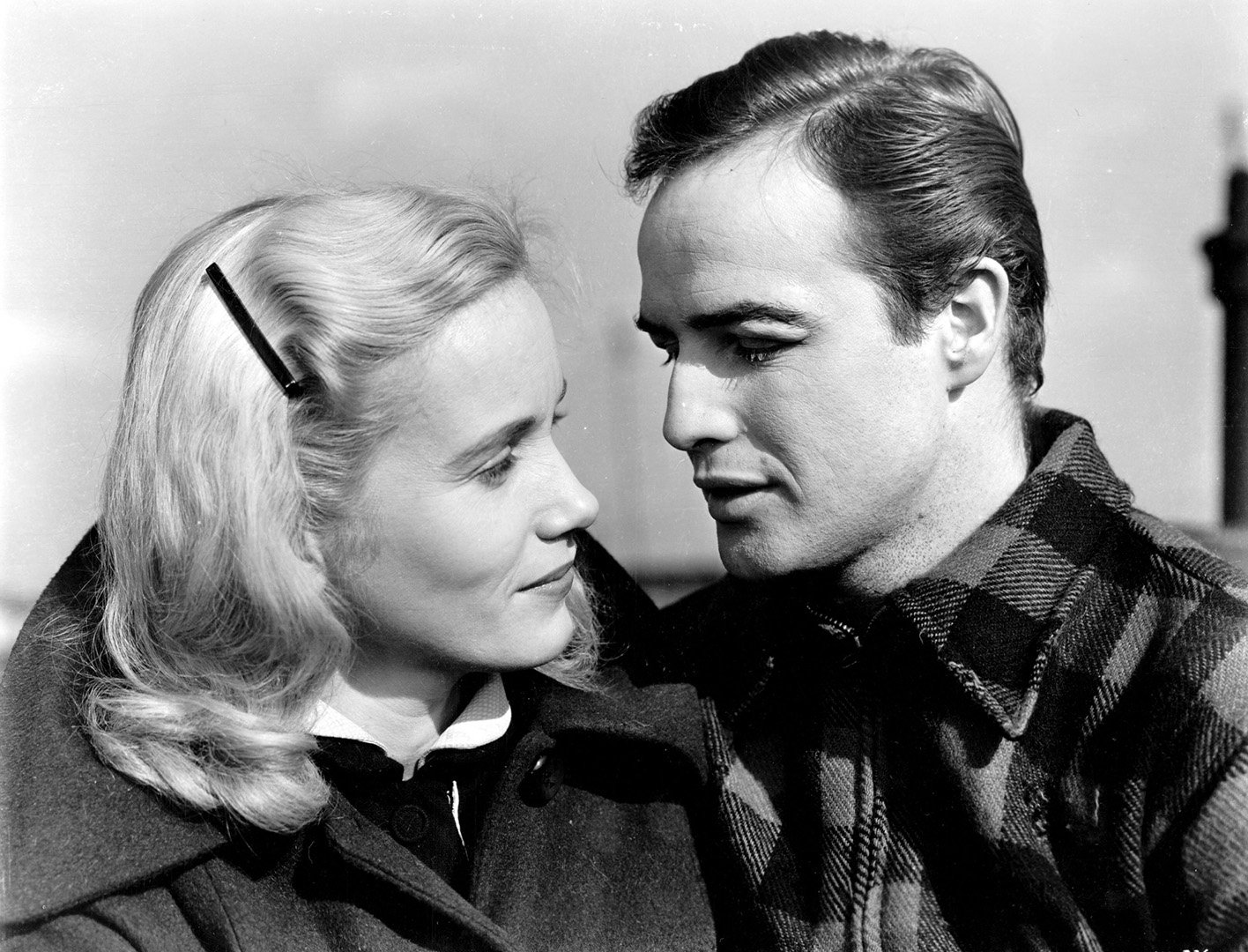
In 1950s New York, the dockworkers' union is controlled by a mafia group under the authority of Johnny Friendly. When one of his colleagues is killed, Terry Malloy faces a dilemma: if he breaks the law of silence, he condemns his brother Charley, Friendly's accomplice.
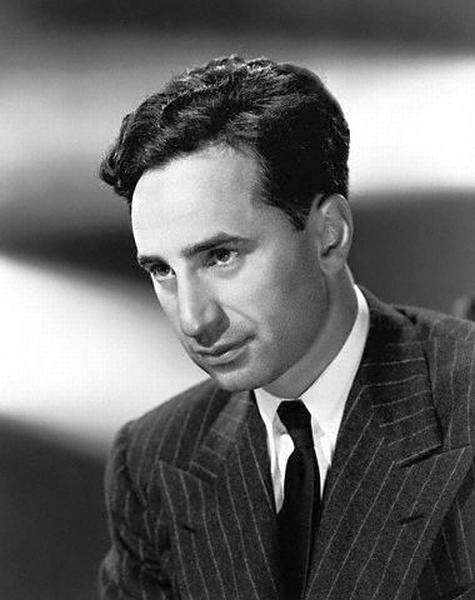
Elia Kazan
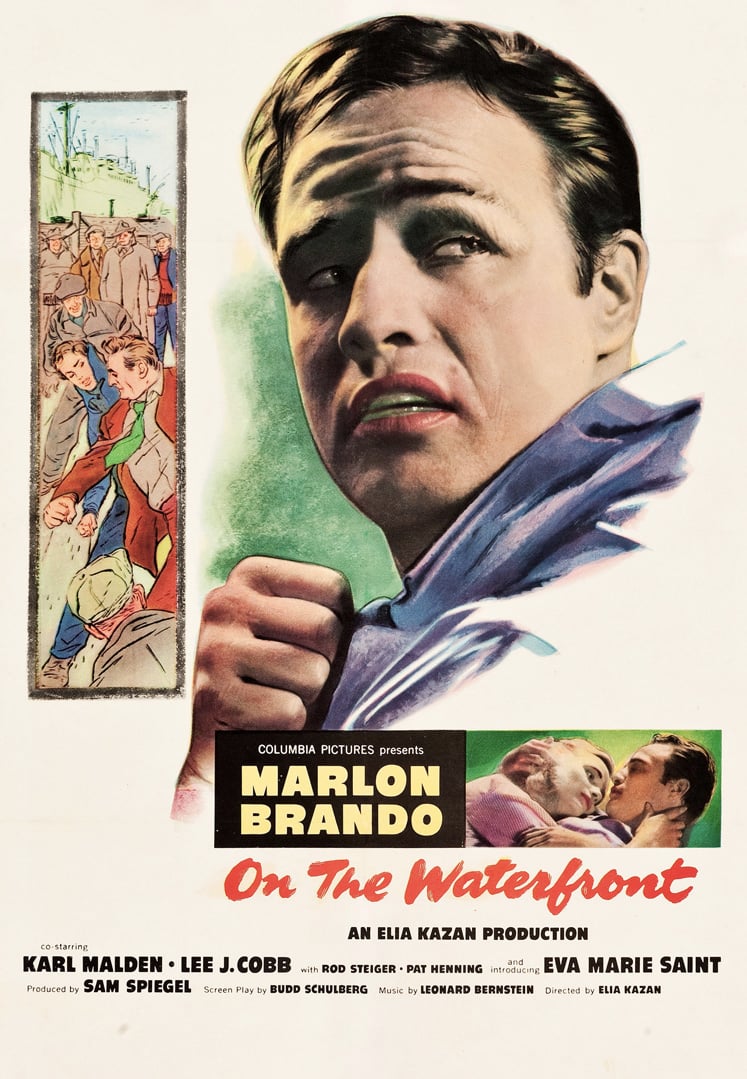
Elia Kazanwas a Greek-American film and theatre director, producer, screenwriter and actor, described by The New York Times as "one of the most honored and influential directors in Broadway and Hollywood history". His films were concerned with personal or social issues of special concern to him. His first such "issue" film was Gentleman's Agreement (1947), which dealt with antisemitism in the United States. It won three Academy Awards, including Kazan's first for Best Director. It was followed by Pinky (1949), one of the first films in mainstream Hollywood to address racial prejudice against African Americans. A Streetcar Named Desire (1951), an adaptation of the stage play which he had also directed, received twelve nominations, winning four, and was Marlon Brando's breakthrough role. He directed Brando again in On the Waterfront, a film about union corruption on the New York harbor waterfront. It also received twelve Oscar nominations, winning eight. In 1955, he directed East of Eden, starring James Dean. A turning point in Kazan's career came with his testimony as a "friendly witness" before the House Un-American Activities Committee in 1952 at the height of the Hollywood blacklist. His decision to cooperate and name names brought him strong negative reactions from many friends and associates. When Kazan was awarded an Honorary Academy Award in 1999, nearly a half a century later, dozens of actors chose not to applaud as 250 demonstrators picketed the event.