Prelude and Fugues - The wood thrush
The mission of the Centre d'art et essai de la Cinémathèque québécoise (CAECQ) is to primary program Quebec-made documentaries and independent fiction, as well as international documentaries, animated and foreign films, while encouraging opportunities for meetings between the public and the artists. Its programming is presented in conjunction with the Cinémathèque québécoise’s under the label New releases.
Screenings will be followed by a Q&A with Pierre Hébert
Official Selection, FNC 2026
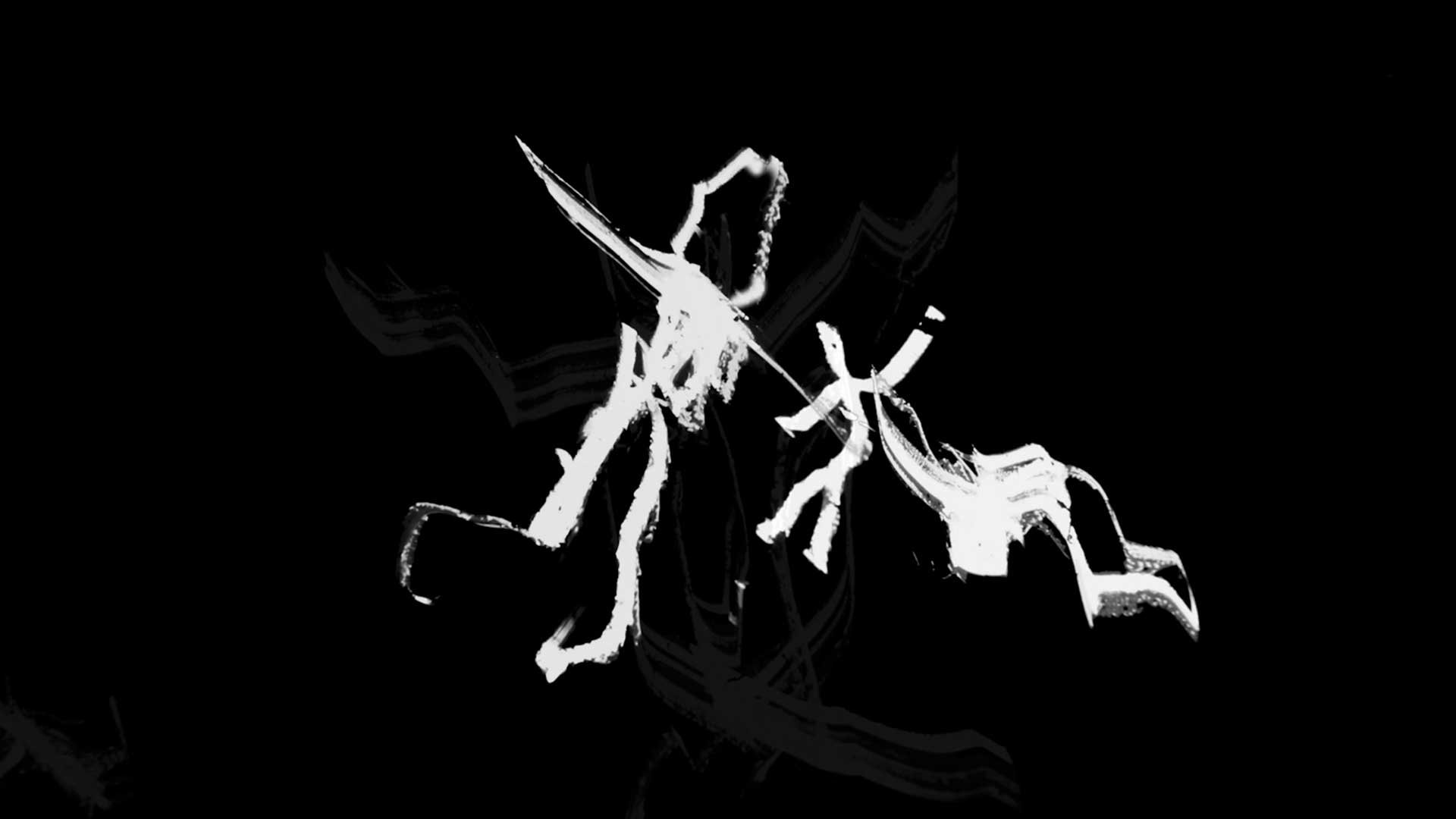
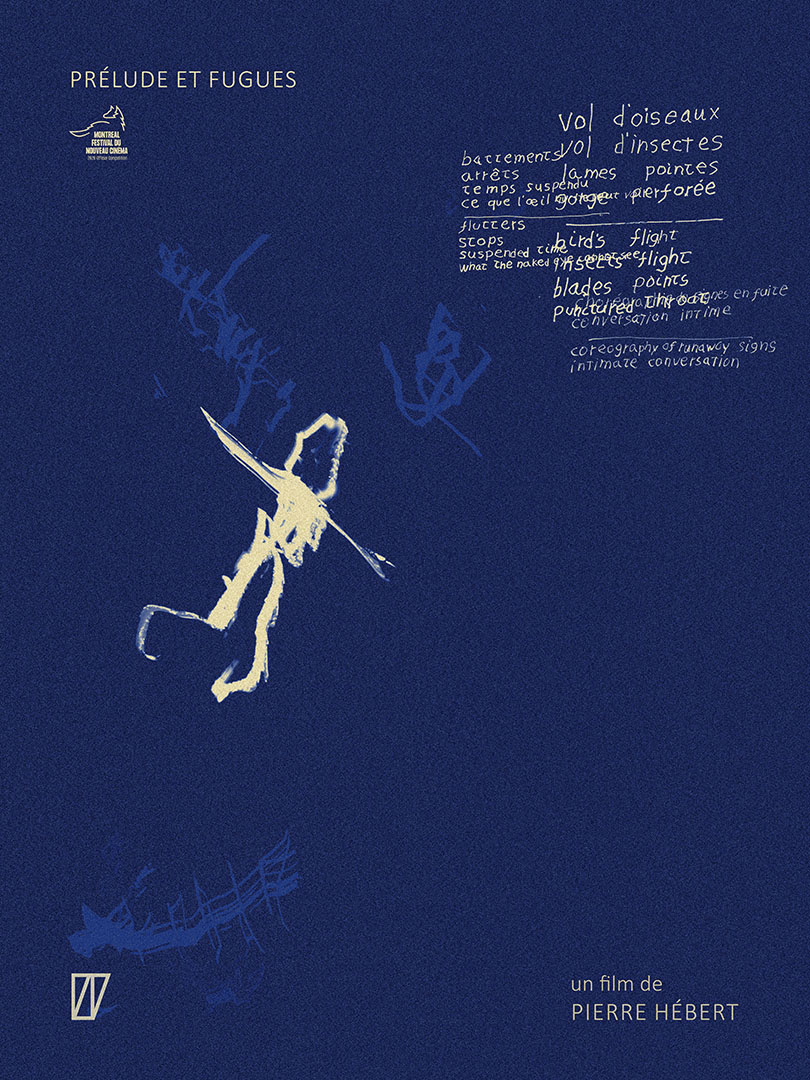
Engraved on celluloid, this film is structured like a fugue, built on the tension between the ideal of freedom and the inevitability of confinement. A poem punctuates the film’s various sections.
Pierre Hébert, an undisputed figure in Canadian animation, presents us here with a deeply personal work. Made entirely from drawings engraved on celluloid, Prelude and Fugues - The wood thrush draws inspiration from a musical structure to explore the tension between the quest for freedom and the feeling of confinement. Exploring this dichotomy, the film unfolds two motifs: that of the fall and that of the buzzing fly. Sound design and animation come together to push these two figures toward abstraction, allowing their forms to merge and blend. These movements, punctuated by a poem superimposed on the image, collectively construct a reflection on serious illness and the intimate relationship Pierre has with it.
Pierre Hébert
Director of more than forty films, including three features, Pierre Hébert worked at the National Film Board of Canada from 1965 to 1999. Since then, his filmmaking work has taken a multidisciplinary scope (live animation performances with musicians, video installations, collaboration with choreographers, drawing, and actions on the web). In additions to his three feature films, La plante humaine (1996), Bazin’s film (2017) et Mount Fuji seen from a moving train (2021), he wrote several books and articles about cinéma. He received the Albert Tessier Award for his lifetime achievement in 2005, a Cinema Career Grant of the Art Council of Quebec in 2012, and an honorary doctorate by the Emily Carr University of Art and Design of Vancouver in 2018. In 2024, he also received the René Jodoin Award for an exceptionnal contribution to canadian animation, given by the Sommets du cinéma d’animation.